



What's Happening?
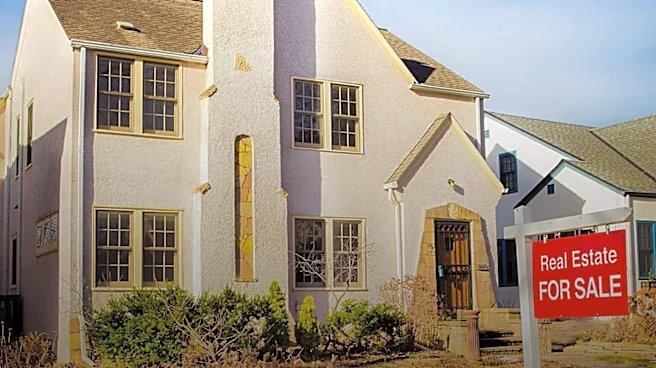
Foreclosure rates in the United States have seen a significant increase in 2026, with approximately 227,000 properties receiving foreclosure filings in the first half of the year, marking a 21% rise from the same period in 2025. This uptick follows six
years of historically low foreclosure activity. The states with the highest foreclosure rates include Florida, South Carolina, Indiana, Delaware, and Illinois, while Texas, Florida, and California recorded the largest total number of foreclosure starts due to their large populations. The increase in foreclosures is attributed to elevated mortgage rates, rising homeowners insurance premiums, and increased property taxes, compounded by inflation affecting everyday expenses. Despite the rise, foreclosure activity remains below the levels seen during the 2008 housing crisis, and experts suggest that the current market is not driven by risky lending practices but by financial pressures on homeowners.
Why It's Important?
The rise in foreclosure rates is significant as it highlights the financial strain on American homeowners, potentially impacting the broader housing market. While the increase in foreclosures could add more homes to the market, experts caution that it is unlikely to significantly improve housing affordability due to constrained housing inventory and high homeowner equity. The situation underscores the challenges faced by newer homeowners who are more vulnerable to financial shocks, such as job losses, which can quickly turn manageable mortgage payments into burdensome ones. This development could influence public policy and economic strategies aimed at stabilizing the housing market and supporting financially stretched homeowners.
What's Next?
As foreclosure rates continue to rise, stakeholders including policymakers, housing economists, and financial institutions may need to consider measures to support homeowners facing financial difficulties. This could involve revisiting relief programs or introducing new policies to mitigate the impact of rising costs and inflation on household budgets. Additionally, monitoring the housing market for signs of further instability will be crucial to prevent a potential crisis similar to the Great Recession.