
What's Happening?
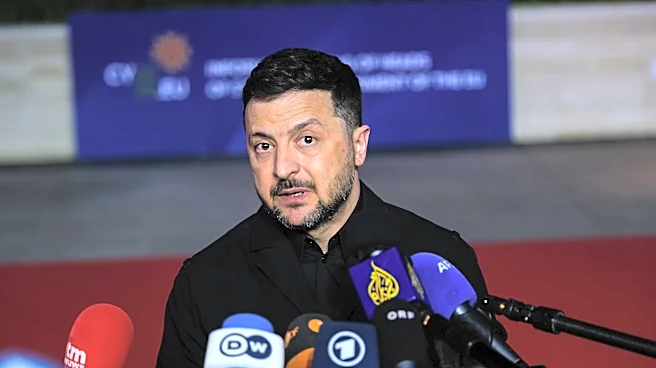
Ukraine is proposing the development of new logistics routes connecting Azerbaijan to European markets, with a focus on creating strong transport links between the Black Sea and the Caspian Sea. Ukrainian
Energy Minister Denys Shmyhal emphasized the necessity of preparing these routes in advance, stating they would be the shortest logistics path. The goal is to ensure these transport and energy supply routes can become operational immediately once the war ends and military activity in the Black Sea ceases. This proposal was made during the 14th meeting of the Azerbaijan-Ukraine Intergovernmental Commission, highlighting the potential for new opportunities in trade and energy supplies between the regions.
Why It's Important?
This initiative is important for several reasons. For Ukraine, establishing new, secure logistics routes is crucial for its post-war economic recovery and integration into European markets, especially given the ongoing disruptions to its traditional trade paths. For Azerbaijan, it offers an opportunity to strengthen its role as a transit hub, facilitating trade and energy flows between the Caspian region and Europe. The proposed routes could diversify energy supplies for Europe, reducing reliance on existing sources and enhancing energy security. Furthermore, improved connectivity could stimulate economic growth and regional cooperation, benefiting all countries along the route by fostering new trade relationships and investment opportunities.
What's Next?
The immediate next steps involve continued discussions and planning between Ukraine and Azerbaijan to lay the groundwork for these future logistics routes. Shmyhal's emphasis on starting preparations now suggests that technical assessments, infrastructure planning, and diplomatic negotiations will be key. The operationalization of these routes is contingent on the cessation of hostilities in Ukraine and the Black Sea, making the timeline uncertain. However, proactive planning aims to ensure that once conditions permit, the infrastructure and agreements are in place to rapidly launch these vital transport and energy corridors. This will likely involve engaging other European partners and international organizations to secure funding and support for the ambitious project.
Beyond the Headlines
Beyond the immediate economic and strategic benefits, this proposal carries significant geopolitical implications. It underscores Ukraine's long-term vision for its economic future, seeking to re-establish itself as a critical transit country. For Europe, it represents a potential diversification of energy and trade routes, which could lessen its vulnerability to geopolitical shifts in other regions. The initiative also highlights the growing importance of the Caspian Sea region in global trade and energy strategies. The successful implementation of such a project could reshape regional alliances and economic dependencies, fostering greater stability and interconnectedness in the broader Eurasian landscape, while also challenging existing logistical paradigms.