



What's Happening?
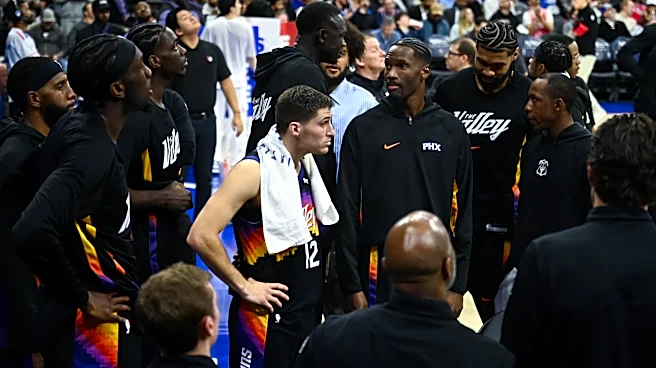
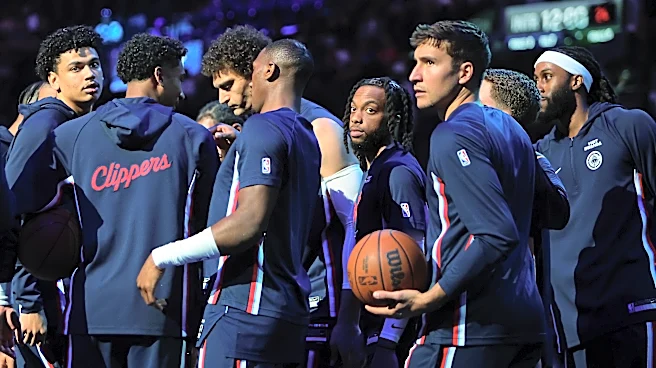
The LA Clippers are currently facing a challenging NBA season, holding a 2-8 record after their first ten games, including a recent loss to the Phoenix Suns. This performance is significantly below initial expectations, leading the team to re-evaluate
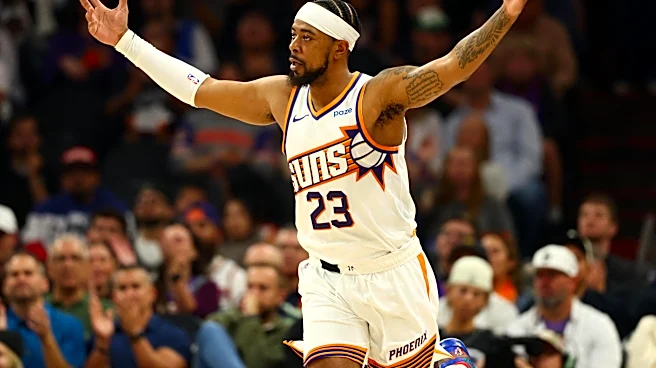
its strategy. Despite earlier aspirations to be competitive in the Western Conference, the Clippers are now embracing a future-focused approach. This involves prioritizing the development of young talent such as Keaton Wagler, Kobe Sanders, and Yanic Konan Niederhauser. The team is exploring different lineup combinations to foster an ideal developmental environment for these players. One suggested lineup includes Keaton Wagler, Kris Dunn, Kobe Sanders, Derrick Jones Jr., and Brook Lopez, a combination that has yet to play together but shows potential for defensive solidity and offensive growth for the young core. The team's struggles are attributed to a combination of injuries and overall competitive difficulties in the conference.
Why It's Important?
The Clippers' shift in strategy from immediate competitiveness to long-term player development has significant implications for the franchise and the league. For the Clippers, this means a potential rebuilding phase, where the focus will be on nurturing young players to become future cornerstones rather than chasing a playoff spot this season. This approach could lead to a more sustainable competitive future but might disappoint fans hoping for immediate success. For the NBA, a prominent team like the Clippers pivoting to a developmental model could impact the trade market, as they possess impact veterans on expiring contracts who could be valuable assets for contending teams. This could reshape the competitive landscape of the Western Conference, with the Clippers potentially becoming sellers at the trade deadline, influencing other teams' playoff pushes and draft capital. The emphasis on youth development also highlights a broader trend in the league where teams are increasingly investing in their draft picks and young talent.
What's Next?
Moving forward, the LA Clippers are expected to continue experimenting with lineups that maximize the playing time and development opportunities for their young players like Keaton Wagler, Kobe Sanders, and Yanic Konan Niederhauser. Head coach Tyronn Lue will likely prioritize combinations that allow these prospects to gain experience and refine their skills, even if it means sacrificing immediate wins. The team's performance in the coming weeks will be crucial in solidifying this developmental path. Additionally, the Clippers are anticipated to be active participants in the trade market as the deadline approaches. With several impact veterans on expiring contracts, the front office may look to trade these players for future assets, such as first-round draft picks, to further bolster their rebuilding efforts. The return of injured players, such as Yanic Konan Niederhauser, will also influence lineup decisions and the team's overall strategy.
Beyond the Headlines
The Clippers' current struggles and subsequent strategic shift reveal deeper implications regarding team building and player management in the modern NBA. The decision to prioritize youth development over immediate contention, despite having veteran players, underscores the long-term vision many franchises are adopting to ensure sustained success. This approach also highlights the delicate balance between player development and veteran performance, especially when contracts are expiring. The potential trading of veterans on expiring deals could create a dynamic where players are essentially auditioning for their next contracts, adding another layer of complexity to team chemistry and individual performance. Furthermore, the focus on specific lineup combinations to foster young talent, such as the proposed Wagler-Dunn backcourt, reflects an analytical approach to player development, aiming to create optimal environments for growth. This strategic pivot could serve as a case study for other teams facing similar crossroads in their competitive cycles.