

What's Happening?
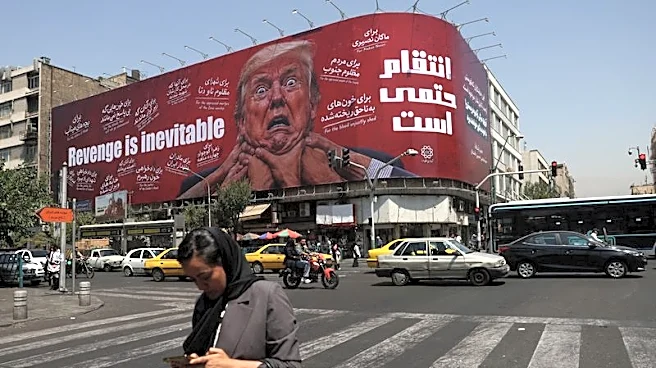
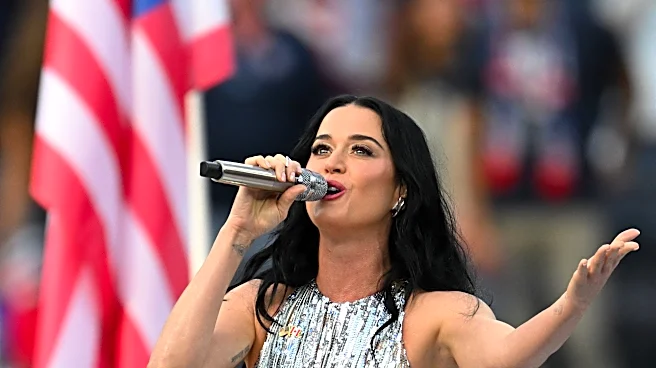
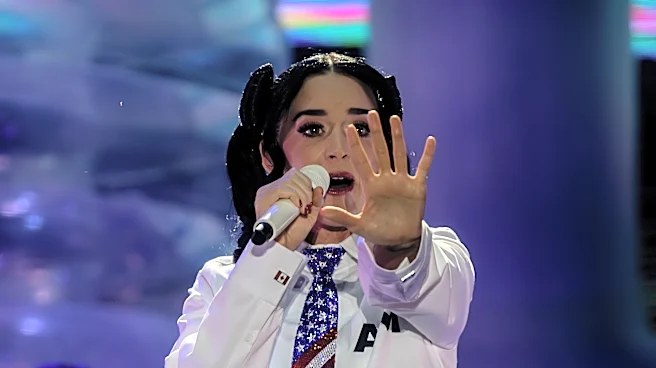
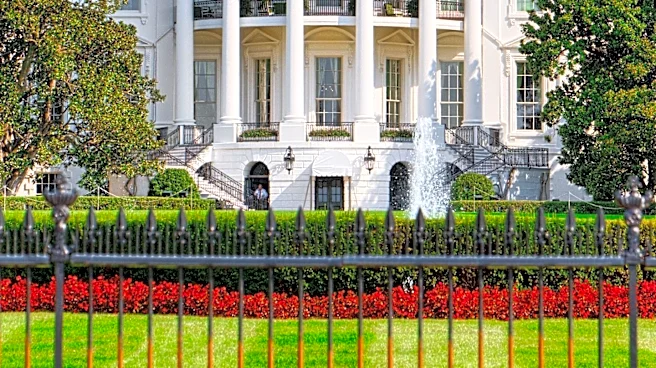
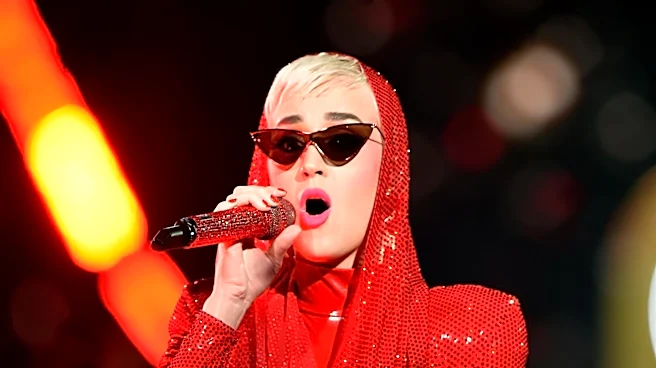
The White House has come under fire from pop star Katy Perry after using her song 'Firework' in a TikTok video depicting military strikes against Iran. The video, which was posted on the White House's TikTok account, synchronized the song's lyrics with
footage of explosions, captioned 'Iran has been warned.' Perry expressed her disapproval on social media, stating she was 'deeply appalled and angry' about the use of her music, although she no longer controls the rights to the song. Following her criticism, the White House released another video using Perry's 2012 hit 'Part of Me,' featuring footage of Perry in military attire interspersed with images of President Trump and military personnel. This ongoing exchange highlights tensions between artists and the administration over the unauthorized use of music.
Why It's Important?
This incident underscores the ongoing conflict between artists and political entities over the use of music without permission. The unauthorized use of songs in political contexts can lead to public backlash and legal disputes, affecting the reputation of both the artists and the political figures involved. For the White House, this situation may impact its public relations, especially among younger demographics who are active on platforms like TikTok. For artists like Katy Perry, it raises issues of control over their creative work and its association with political messages they may not endorse. This could lead to broader discussions about intellectual property rights and the ethical use of creative content in political campaigns.
What's Next?
The White House may face increased scrutiny and potential legal challenges from artists whose work is used without consent. Artists and their representatives might push for stricter enforcement of intellectual property rights, potentially leading to new guidelines or legislation regarding the use of music in political contexts. The administration's response to this criticism could influence its relationship with the entertainment industry and its approach to using popular culture in political messaging.