






What's Happening?
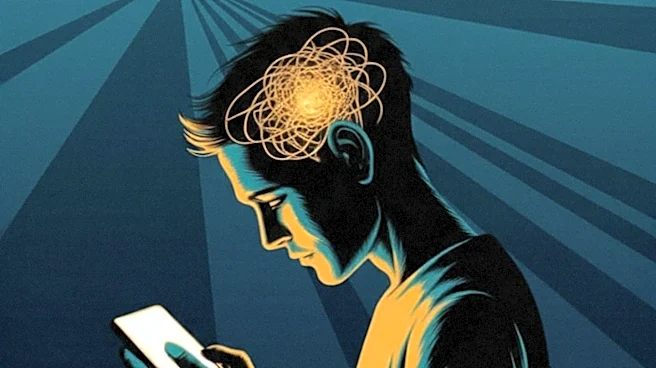
A significant generational divide exists in perceptions of what constitutes 'overreacting,' particularly concerning mental health discussions. Many Baby Boomers, born between 1946 and 1964, tend to view open conversations about mental health and protecting
one's peace as an overreaction. This perspective often stems from their upbringing, where societal norms pressured them to keep once-taboo topics private and to suppress emotions as a sign of strength. Consequently, Boomers may perceive younger generations' emotional expressions and willingness to discuss mental health struggles openly, even in professional settings, as a weakness or an excessive reaction. This ingrained stigma leads many Boomers to struggle in silence, holding everything inside rather than seeking or accepting support.
Why It's Important?
This generational difference in mental health perception has profound implications for public health, workplace culture, and intergenerational understanding in the U.S. The Boomer generation's reluctance to engage in open mental health discussions contributes to a lingering stigma that can prevent older adults from seeking necessary psychological support. This can lead to untreated mental health conditions, impacting their quality of life and overall well-being. In workplaces and family settings, these differing views can create misunderstandings and tension, hindering effective communication and support systems. Recognizing and addressing this gap is crucial for fostering a more inclusive and supportive environment where mental health is openly acknowledged and cared for across all age groups.
What's Next?
Bridging this generational gap in mental health perception will require targeted educational initiatives and empathetic communication strategies. Campaigns aimed at destigmatizing mental health among older adults, emphasizing that seeking help is a sign of strength, not weakness, could be beneficial. Healthcare providers and family members can play a crucial role by initiating conversations with sensitivity and patience, creating safe spaces for Boomers to express their feelings without fear of judgment. Promoting intergenerational dialogue about emotional well-being can also help younger generations understand the historical context of Boomers' views, while encouraging older adults to adapt to evolving societal norms around mental health. Ultimately, fostering a culture of open communication is essential for improving mental health outcomes for all.
Beyond the Headlines
The Boomer generation's perspective on mental health is not merely a personal preference but a reflection of broader historical and cultural shifts. Their experiences growing up in an era where mental illness was often hidden and stigmatized have shaped their coping mechanisms and views on emotional expression. This highlights the long-term impact of societal norms on individual psychology and the challenges of shifting deeply ingrained beliefs. The contrast with younger generations, who are more vocal about mental health, underscores a significant cultural evolution. Exploring these historical roots can provide valuable insights into how societal attitudes are formed and how they can be gradually transformed to create a more compassionate and understanding society regarding mental well-being.