


What's Happening?
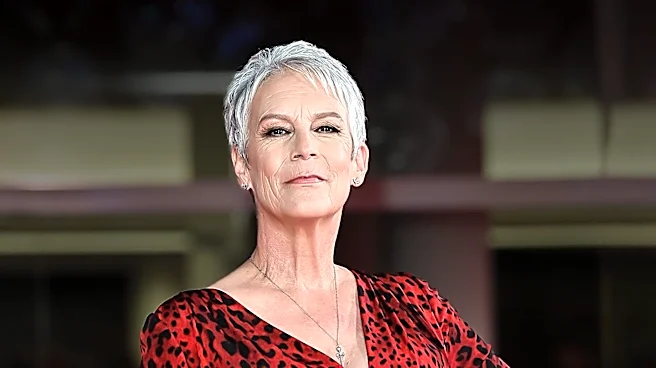
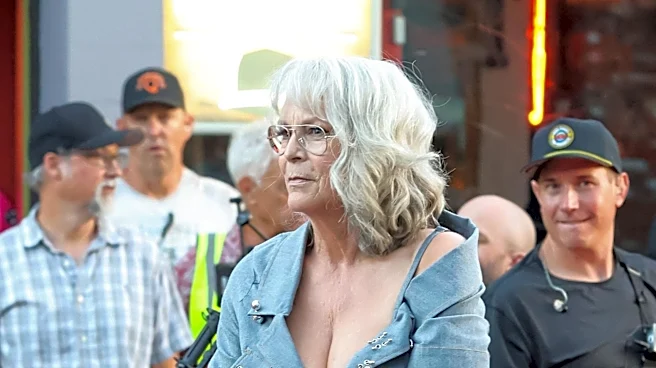
Actress Jamie Lee Curtis makes a brief cameo appearance in the new film 'The Only Living Pickpocket in New York'. While her presence is noted as a genuine surprise and a pleasure for audiences due to her recognized warmth and energy, her star power is also
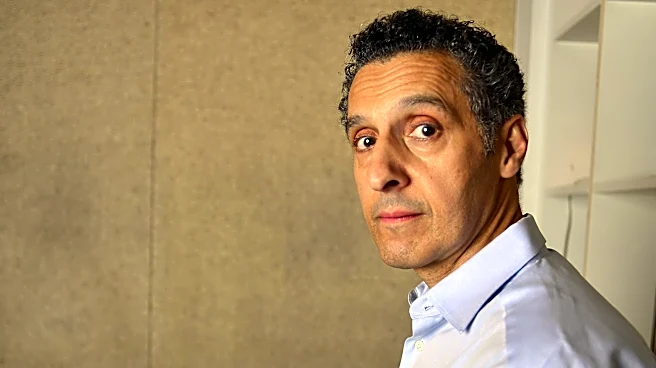
described as momentarily pulling viewers out of the film's narrative. The movie, which centers on John Turturro's performance as an aging pickpocket named Harry, aims for quiet realism. The review suggests that Curtis's instantly recognizable persona creates a jolt that disrupts the film's established tone, leading to a temporary shift in audience focus from the story to the actress herself. The film's director is praised for restraint in style and pacing, allowing scenes to unfold at a human rhythm, making Curtis's high-profile appearance stand out more distinctly within this context.
Why It's Important?
The cameo by Jamie Lee Curtis highlights a common challenge in filmmaking: balancing the appeal of star power with the integrity of a film's narrative and tone. While casting well-known actors can attract audiences, their established personas can sometimes overshadow the characters they portray, especially in films striving for realism or subtlety. For 'The Only Living Pickpocket in New York', a film built on quiet realism and character-driven performance, Curtis's recognizable presence inadvertently creates a momentary disconnect for the viewer. This situation underscores the delicate balance directors and casting agents must strike when integrating famous actors into specific cinematic styles, particularly when the goal is to immerse the audience fully in a less glamorous, more grounded world. The decision to include such a prominent figure, even in a small role, can significantly impact audience perception and engagement with the core story.
What's Next?
The film 'The Only Living Pickpocket in New York' will continue to be evaluated by critics and audiences, with discussions likely to include the effectiveness of its casting choices, including the cameo by Jamie Lee Curtis. Future reviews and audience reactions may further explore whether such high-profile appearances enhance or detract from the overall cinematic experience in films that prioritize realism and character depth. Filmmakers might consider these reactions when casting for similar projects, weighing the benefits of star appeal against the potential for narrative disruption. The discussion around Curtis's cameo could also influence how other established actors are utilized in smaller, more nuanced roles in independent or character-driven cinema, prompting a re-evaluation of how star power integrates into diverse filmic contexts.
Beyond the Headlines
The discussion surrounding Jamie Lee Curtis's cameo touches upon broader themes in the film industry regarding celebrity culture and its impact on artistic expression. The 'jolt' experienced by viewers when a highly recognizable star appears in a realistic drama speaks to the pervasive nature of celebrity and how it can pre-condition audience expectations. This phenomenon raises questions about whether an actor's fame can ever be fully separated from their performance, especially in roles intended to be understated. It also highlights the evolving relationship between audience, actor, and narrative, where the 'star' often brings an entire public persona to the screen, regardless of the character. This can be a powerful tool for marketing but also a potential obstacle for films aiming for complete immersion and suspension of disbelief, particularly in an era where actors' lives are increasingly public.