







What's Happening?
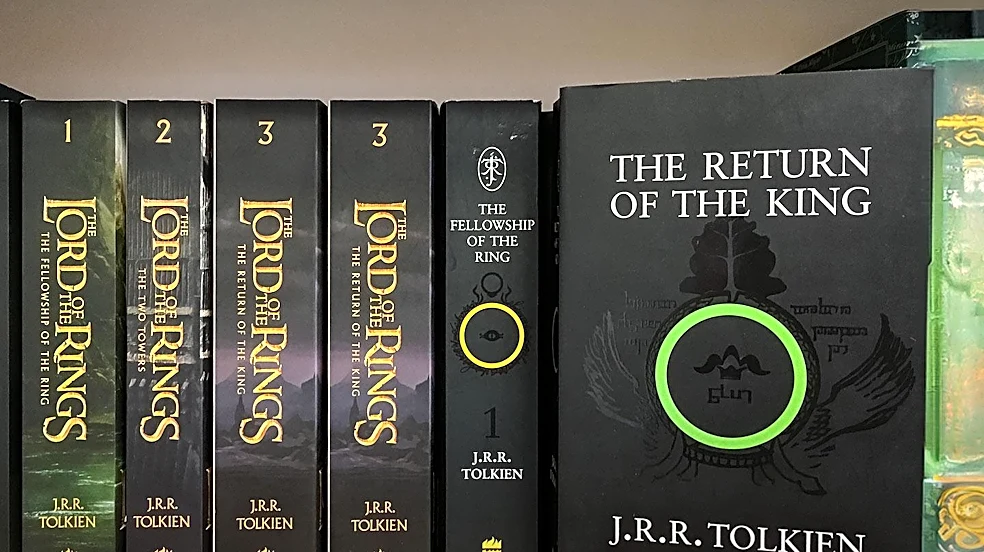
J.R.R. Tolkien made numerous revisions to his initial fantasy masterpiece, 'The Hobbit,' after writing 'The Lord of the Rings' to ensure consistency and deepen the lore of Middle-earth. These changes, implemented across various editions, addressed narrative
and world-building inconsistencies that arose as 'The Lord of the Rings' evolved into a sprawling, epic saga. For instance, the acquisition of the One Ring by Bilbo in 'The Hobbit' was significantly altered. In the original version, the ring was merely a magical item for invisibility, and Gollum was less sinister. Tolkien revised this to portray the ring as an object of immense evil and Gollum as a creature corrupted by it, aligning with its central role in 'The Lord of the Rings.' Another notable revision involved Bilbo's chainmail vest, which was initially described as high-quality silvered steel. This was later changed to specify it was made of Mithril, a rare and durable metal from Moria, to enhance its legendary status and connect it more deeply to the broader Middle-earth mythology. Tolkien also refined descriptions of creatures, removing mentions of 'Lilliputians' and working to scrub 'Gnomes' from the text to maintain a consistent and unique fantasy world.
Why It's Important?
These extensive revisions by J.R.R. Tolkien are crucial for understanding the cohesive and immersive world of Middle-earth that has captivated generations. By meticulously aligning 'The Hobbit' with 'The Lord of the Rings,' Tolkien established a precedent for intricate world-building in fantasy literature. This process demonstrates the author's dedication to internal consistency and the evolution of a fictional universe, influencing countless subsequent fantasy writers and franchises. The changes ensured that 'The Hobbit' served as a seamless prequel, enriching the reader's experience of 'The Lord of the Rings' rather than presenting contradictions. This commitment to a unified narrative contributed significantly to the enduring popularity and critical acclaim of both works, solidifying their status as foundational texts in the fantasy genre. The revisions also highlight the dynamic nature of creative writing, where initial concepts can be refined and expanded upon to serve a larger artistic vision, ultimately enhancing the depth and impact of the storytelling.
What's Next?
While the revisions to 'The Hobbit' are historical, their impact continues to shape how new adaptations of Tolkien's works are approached. Future adaptations, whether in film, television, or other media, will undoubtedly draw from the fully revised and integrated canon of Middle-earth. The meticulous detail and consistency established by Tolkien's revisions provide a rich and stable foundation for creators. Any new projects will need to respect this established lore to maintain authenticity and resonate with the existing fanbase. The ongoing popularity of the franchise, evidenced by various multimedia projects, suggests a continued interest in exploring and reinterpreting Tolkien's world. This means that the legacy of these revisions will persist, influencing how Middle-earth is presented and understood by new audiences, ensuring that the intricate connections between 'The Hobbit' and 'The Lord of the Rings' remain central to its narrative integrity.
Beyond the Headlines
Tolkien's method of revising 'The Hobbit' offers a fascinating insight into the creative process and the challenges of maintaining narrative consistency across interconnected works. His decision to frame the changes within the fictional context of Bilbo's own writings being corrected in-universe, as mentioned in the introduction to 'The Hobbit's' Second Edition, is a testament to his genius. This meta-narrative approach allowed him to justify the alterations without breaking the immersion for readers. It also highlights the ethical and artistic considerations authors face when their initial creations evolve into larger, more complex narratives. This approach not only solved immediate continuity problems but also deepened the lore by suggesting that the stories themselves are living documents within Middle-earth, subject to discovery and correction. This sophisticated handling of revisions underscores Tolkien's profound understanding of storytelling and world-building, setting a high bar for literary craftsmanship in the fantasy genre.