



What's Happening?
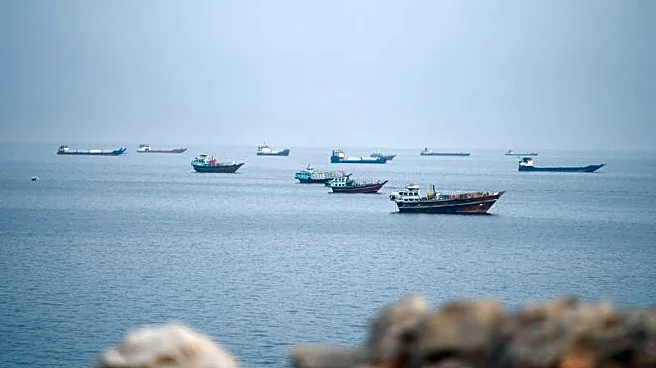
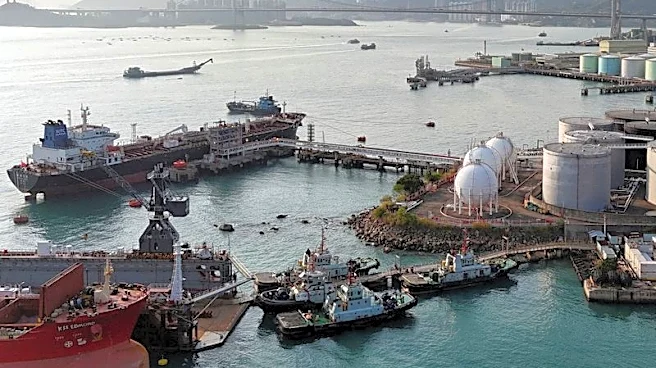
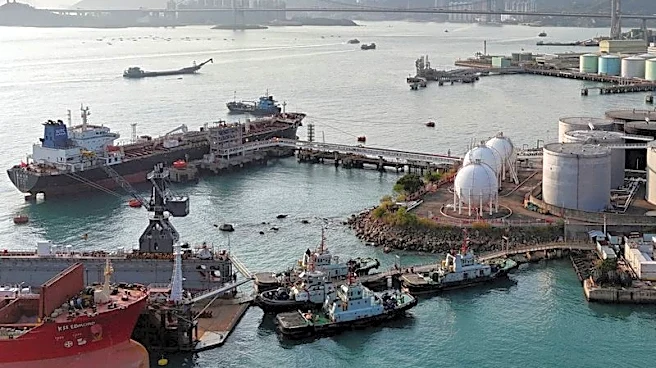
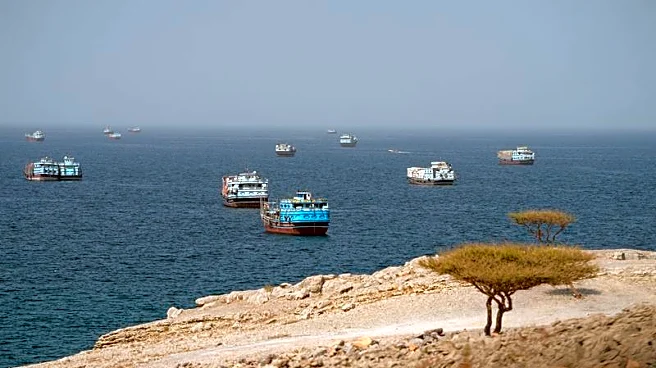
The global oil market is experiencing a significant shift, moving into a surplus in the fourth quarter of this year, according to the International Energy Agency (IEA). This rebalancing occurs despite ongoing tanker attacks near the Strait of Hormuz and
the Iran war. Gulf oil producers, including Saudi Arabia, Iraq, and Kuwait, have substantially increased their output. Saudi Arabia reported pumping 10.5 million barrels a day in October, a level not seen since 2022. The UAE is now free from OPEC quotas, allowing it to pump as much as it desires. OPEC+ collectively pumped 41.23 million barrels per day in October, a 2.04 million bpd increase from September. This surge in supply, coupled with workarounds like 'dark crossings' to evade attacks, has helped bring Middle East shipments closer to pre-war levels. The IEA noted that global oil supplies are now surpassing demand for the first time since the war began, leading to a tentative rebalancing of the market.
Why It's Important?
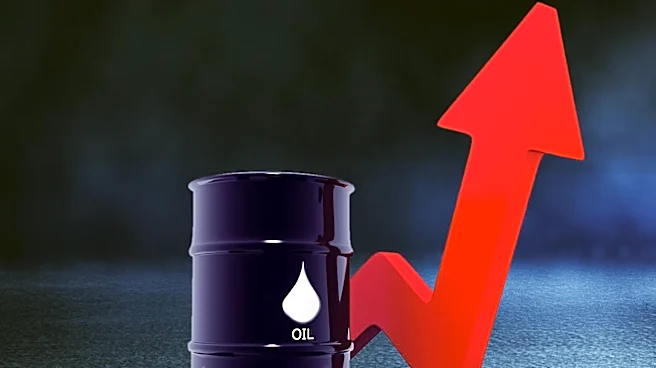
This shift to an oil surplus holds significant implications for the global economy, including the U.S. For consumers, increased supply typically translates to lower oil prices, which can ease inflationary pressures. U.S. retail gasoline prices have already fallen below $4 a gallon for the first time since July, offering direct relief to American households and businesses. For U.S. industries reliant on oil, such as transportation and manufacturing, lower crude prices can reduce operational costs, potentially boosting profitability and economic activity. However, for U.S. oil producers, a surplus market could lead to decreased revenues and potentially impact investment in domestic production. The resilience of Gulf exports, even under threat, demonstrates the industry's adaptability but also highlights the persistent geopolitical risks that could quickly disrupt supply and reverse market trends. The IEA's assessment suggests a more stable energy outlook, which could influence monetary policy decisions and consumer spending patterns in the U.S.
What's Next?
Looking ahead, the IEA forecasts that the oil market will continue to see a surplus, with global supply projected to rise by 6.6 million bpd in 2027, driven by further recovery in Gulf output and increased production from non-OPEC+ countries like the United States, Canada, Brazil, Argentina, and Guyana. This sustained surplus could further depress oil prices, potentially leading to continued relief at the pump for U.S. consumers. However, the durability of this rebalancing remains uncertain due to the ongoing geopolitical tensions and tanker attacks in the Strait of Hormuz. Any significant escalation could disrupt supply chains and quickly shift the market back into a deficit. Major stakeholders, including OPEC+ nations, will likely monitor market conditions closely, potentially adjusting production targets to stabilize prices. The U.S. government will also be watching these developments, as sustained lower oil prices could support economic growth and help manage inflation, while any disruptions could necessitate strategic reserve releases or other policy interventions.
Beyond the Headlines
The current oil market rebalancing reveals deeper implications beyond immediate price fluctuations. The ability of Gulf producers to maintain and even increase exports amidst active conflict and tanker attacks highlights the critical importance of energy security and the complex strategies employed to ensure continuous supply. The use of 'dark crossings' and other workarounds underscores the lengths to which the industry will go to circumvent disruptions, raising questions about maritime security and international oversight in conflict zones. Furthermore, the war's impact on global oil consumption, estimated to have cut demand by about three million barrels a day, suggests that geopolitical events can significantly alter fundamental market dynamics, not just through supply shocks but also by curtailing demand. This long-term shift in demand, coupled with rising non-OPEC+ production, could reshape the global energy landscape, potentially diminishing OPEC's traditional market influence over time and accelerating the transition towards alternative energy sources as nations seek greater energy independence and stability.