




What's Happening?
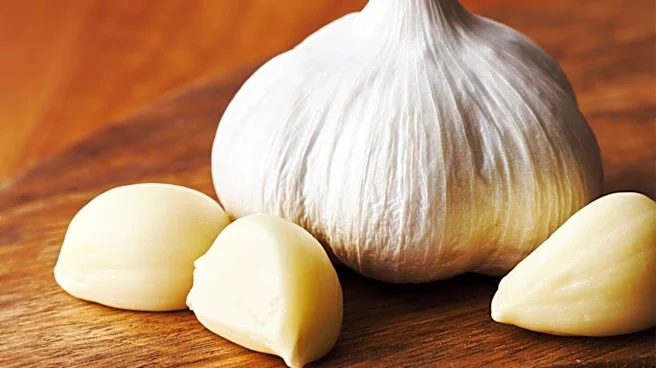
Raw garlic is being embraced by biohackers and wellness enthusiasts online as an 'ultimate biohack' for anti-aging, increased energy, and improved health. Influencers like Edson Brandao, 59, consume a daily mixture of crushed garlic and honey, attributing
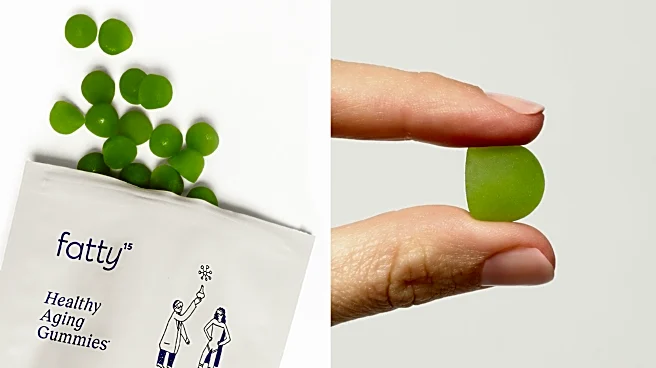
his youthful appearance and stable energy to this routine. Social media platforms are abuzz with claims that garlic can boost mood, improve blood flow, destroy bad gut bacteria, rebalance the microbiome, ignite fat-burning, lower cholesterol, detox parasites, support heart health, improve insulin sensitivity, clear acne, eliminate brain fog, and even cure colds. While some proponents mix garlic with honey or ferment it, others opt for aged garlic capsules and extracts to avoid the strong taste and smell. However, scientific evidence supporting these broad claims is mixed. Cardiologists like Dr. Joel Kahn recommend aged garlic extract for proven benefits in lowering blood pressure, modestly reducing LDL-cholesterol, and stabilizing heart artery plaque. Registered dietitian Amy Shapiro notes garlic's nutritional value, including manganese, vitamin B6, vitamin C, selenium, fiber, and sulfur compounds like allicin, which contribute to its health benefits. Dave Asprey, a longevity expert, highlights garlic's anti-viral, anti-bacterial, anti-fungal, and anti-parasitic properties.
Why It's Important?
The growing trend of using garlic as a 'biohack' reflects a broader societal interest in natural remedies and self-optimization for health and longevity. This movement, amplified by social media, can empower individuals to take a more active role in their well-being but also carries risks due to the spread of unsubstantiated claims. While some benefits of garlic, particularly for cardiovascular health and immunity, are supported by scientific research, many of the more extreme assertions lack robust evidence. This disparity between anecdotal enthusiasm and scientific rigor can lead consumers to make health decisions based on incomplete or misleading information. The emphasis on 'biohacking' often encourages the pursuit of quick fixes, potentially overshadowing the importance of fundamental healthy lifestyle choices like diet, exercise, and sleep. For the health and wellness industry, this trend presents both opportunities for product development, such as garlic supplements, and challenges in ensuring responsible marketing and consumer education about the actual efficacy and potential side effects of such remedies.
What's Next?
As the popularity of garlic as a 'biohack' continues to grow, there will likely be increased demand for garlic-based supplements and products. Consumers will need to exercise caution and critically evaluate the claims made online, seeking advice from healthcare professionals. Researchers may be prompted to conduct more comprehensive and long-term studies to either validate or debunk the various health claims associated with garlic, particularly those related to anti-aging and cognitive function. The medical community will likely continue to emphasize the importance of a balanced approach to health, integrating proven remedies with conventional medical care and a healthy lifestyle. Regulatory bodies may also face pressure to address the proliferation of health claims on social media, especially concerning products marketed as 'biohacks.' For individuals interested in incorporating garlic into their routine, experts recommend crushing or chopping raw garlic and letting it sit for about 10 minutes to maximize its beneficial compounds, or opting for quality aged garlic extract supplements, while tempering expectations and prioritizing foundational health practices.
Beyond the Headlines
The 'biohacking' phenomenon, exemplified by the garlic trend, highlights a deeper societal quest for control over health and aging in an increasingly complex world. It reflects a desire to harness natural compounds and technological advancements to optimize human performance and extend lifespan. However, this movement also underscores the challenges of distinguishing credible scientific information from anecdotal evidence and marketing hype in the digital age. The allure of 'ultimate biohacks' can sometimes divert attention from the foundational elements of health, such as consistent exercise, nutritious eating, adequate sleep, and stress management, which are often less glamorous but scientifically proven. Ethically, the promotion of unverified health claims by influencers raises questions about responsibility and the potential for harm, especially when individuals forgo conventional medical advice. This trend also points to a growing distrust in traditional institutions and a preference for personalized, often self-directed, health strategies, which could have long-term implications for public health education and healthcare delivery.