
What's Happening?
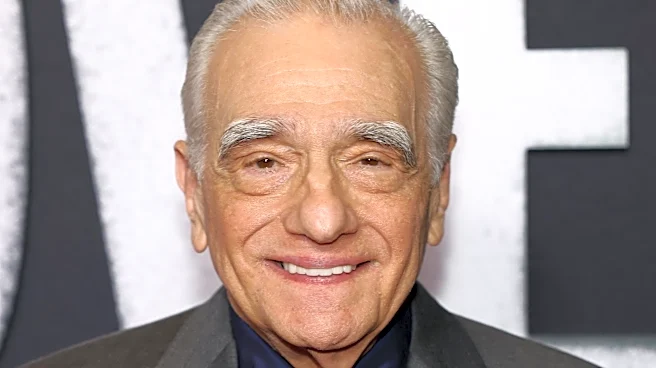
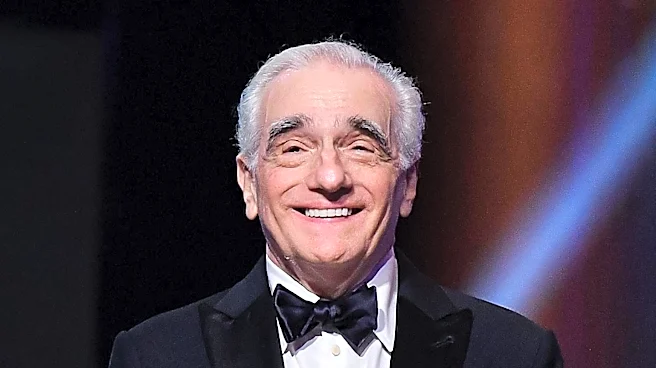
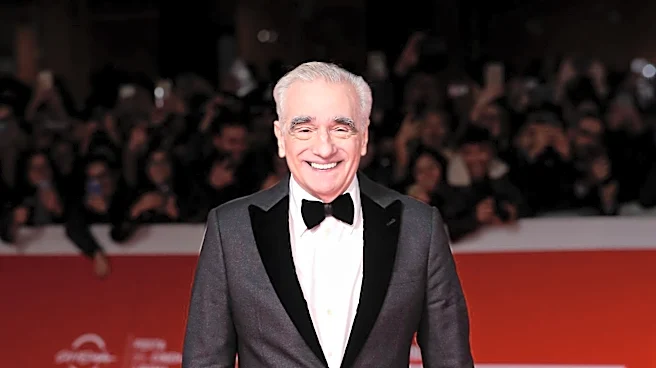
Acclaimed American film director Martin Scorsese announced in June 2026 that he is working with an AI company to develop visual concepts for his upcoming film. This collaboration involves using image-generation technology, particularly for storyboards,
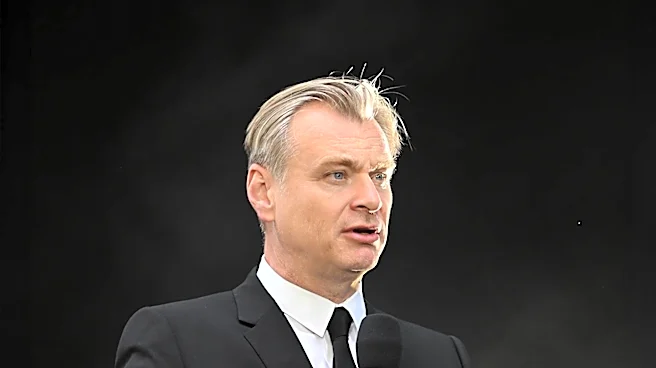
which are traditional drawings used by directors to plan scenes before filming. This move reflects a growing interest among prominent filmmakers, including James Cameron and Christopher Nolan, in exploring AI's potential for pre-production planning. However, specialist artists have voiced concerns that an increasing reliance on AI tools could lead to a reduction in job opportunities for storyboard artists and other visual planners in the film industry. The specific scope of AI's use in Scorsese's finished film has not yet been disclosed, and no box office, production budget, or viewership figures have been reported for the project.
Why It's Important?
Scorsese's adoption of AI for visual concepts signals a significant shift in film pre-production, potentially reshaping creative roles that traditionally depend on human drawing and visual planning. This development highlights a broader industry trend where generative AI tools are moving from experimental stages to serious consideration by established directors. The integration of AI in filmmaking raises critical questions about the future of creative jobs, particularly for storyboard artists, and how studios and creative unions will navigate the balance between efficiency gains offered by AI and the preservation of human employment. The involvement of a director of Scorsese's stature lends credibility to AI's potential in filmmaking, but also intensifies the debate surrounding its impact on the artistic workforce and the creative process itself.
What's Next?
The film industry will likely observe how Scorsese's collaboration with an AI company progresses and the extent to which AI-generated visuals are integrated into his next film. This development could influence other filmmakers and studios to further explore or adopt similar AI technologies for pre-production. The ongoing discussion between creative unions and studios regarding the balance between technological advancement and job security for artists is expected to intensify. As AI tools become more sophisticated, there will be a continued focus on how these technologies affect the roles of storyboard artists and other visual planners, potentially leading to new industry standards or regulations concerning AI's use in creative processes. The long-term impact on film production workflows and the creative economy remains a key area of interest.
Beyond the Headlines
The integration of AI into the creative process, as exemplified by Scorsese's project, extends beyond mere efficiency and touches upon fundamental questions about authorship, artistic integrity, and the definition of creativity itself. While AI can generate visual concepts rapidly, the nuanced understanding of narrative, emotion, and human experience that a human storyboard artist brings is complex to replicate. This development could lead to a re-evaluation of the value of human artistic contribution versus machine-generated output, potentially sparking ethical debates about the role of technology in art. It also highlights a broader societal challenge of adapting to automation in creative fields, prompting discussions about reskilling programs and new models of collaboration between human artists and AI.