





What's Happening?
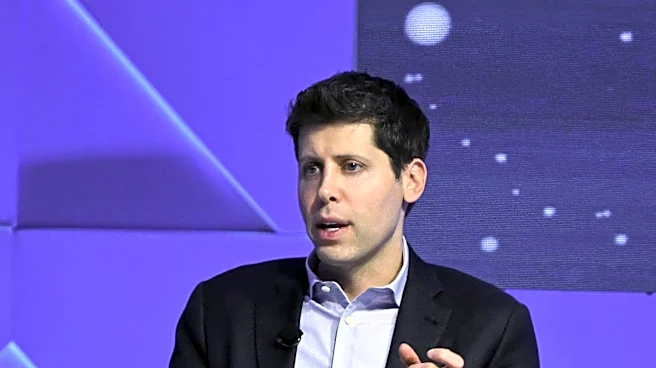
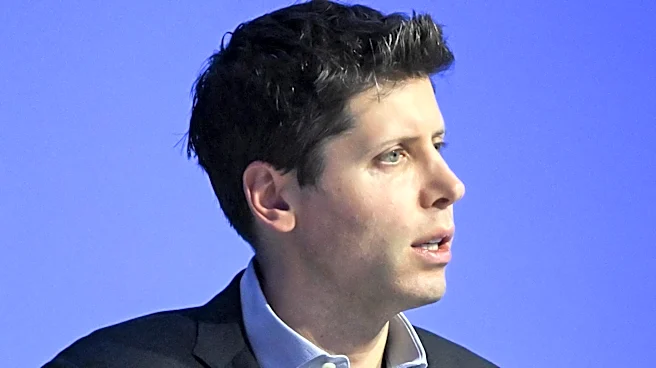
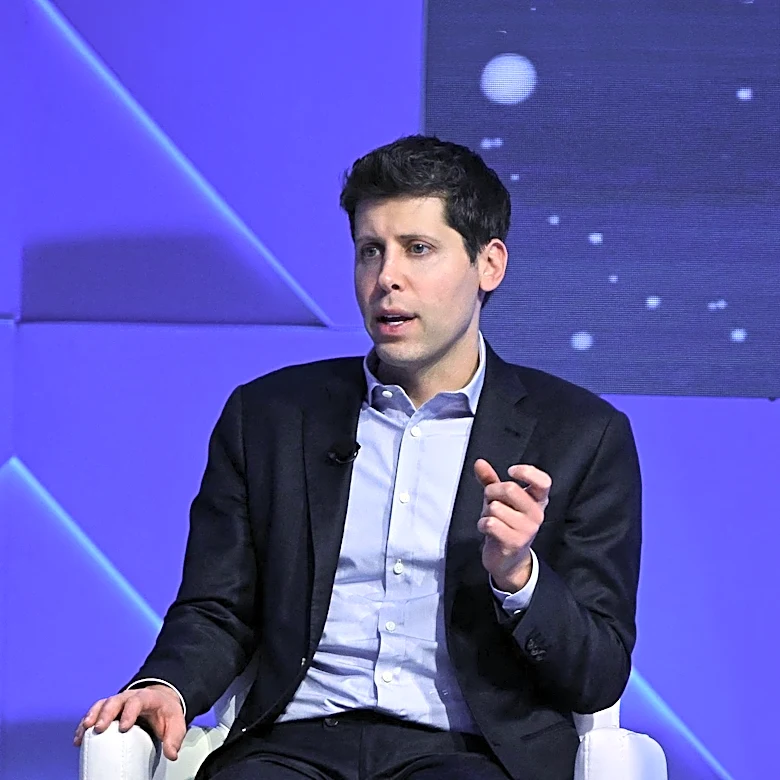
Sam Altman, CEO of OpenAI, has stated that society should be prepared to accept certain "bad things" occurring due to artificial intelligence in exchange for its broader benefits. In an interview with POLITICO, Altman suggested that minor harms, such
as major hacks and scams, are a trade-off the world should consider for the advancements AI offers. However, he drew a clear line at catastrophic risks, emphasizing that losing control of AI is an unacceptable outcome. This perspective comes amidst ongoing debates about AI safety and the rapid deployment of AI technologies. Altman's comments reflect a pragmatic, albeit controversial, stance on managing the inevitable downsides of a transformative technology while pursuing its potential upsides.
Why It's Important?
Altman's statement is significant as it comes from a leading figure in the AI industry and directly addresses the societal contract surrounding emerging technologies. His call for accepting "some bad things" could influence public and policy discussions on AI regulation. It suggests a framework where minor, non-catastrophic harms are viewed as an acceptable cost for progress, potentially shaping how governments and industries approach risk assessment and liability for AI-related incidents. This perspective could also impact consumer expectations and legal precedents, particularly concerning data breaches, fraud, and other AI-facilitated crimes. For the U.S. economy and society, this approach could accelerate AI adoption by lowering perceived regulatory hurdles, but it also risks normalizing certain types of harm, potentially disproportionately affecting vulnerable populations or sectors. It also highlights the ongoing tension between innovation and societal protection.
What's Next?
Altman's comments are likely to provoke further debate among policymakers, ethicists, and the public regarding the acceptable level of risk associated with AI. This could lead to increased scrutiny of AI companies' risk mitigation strategies and calls for clearer definitions of "minor harms" versus "catastrophic risks." Governments may explore new regulatory frameworks that balance innovation with public safety, potentially including mechanisms for compensation for AI-related damages or stricter guidelines for AI deployment in sensitive sectors. The tech industry might also face pressure to develop more robust ethical guidelines and transparency measures to build public trust. The ongoing dialogue will shape the future trajectory of AI development and its integration into society, with a focus on defining the boundaries of acceptable risk.
Beyond the Headlines
Altman's remarks delve into a deeper philosophical question about the nature of progress and sacrifice in technological advancement. It implicitly asks society to weigh the collective good derived from AI against individual or localized harms. This raises ethical considerations about who bears the burden of these "bad things" and whether such a trade-off can be equitably managed. The statement also touches upon the concept of "acceptable risk" in a domain where the full scope of risks is still largely unknown. It could lead to a re-evaluation of how society values technological progress versus safety and privacy, potentially influencing cultural norms around data security and digital interaction. The long-term implications could include a shift in legal frameworks to accommodate AI-specific liabilities and a societal recalibration of what constitutes an acceptable level of technological disruption.