
What's Happening?
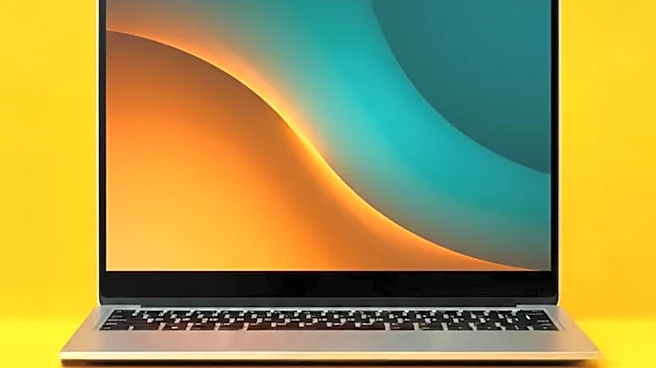
Lenovo's ThinkPad X1 Carbon Gen 14 Aura Edition has been evaluated alongside Dell Pro 7 14 and HP EliteBook X G2i models in a comparison of high-end business laptops. All three devices, priced over $3,000, are designed for corporate users and feature
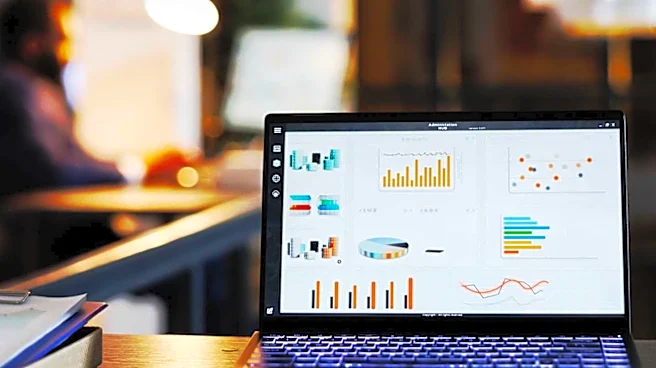
Intel Core Ultra 300 (Panther Lake) processors. The ThinkPad X1 Carbon, known for its matte black design, weighs 2.14 pounds, making it the lightest among the three. While all offer strong performance, the ThinkPad demonstrated superior speed in certain traditional office applications and large Excel data table models. However, it lagged behind Dell and HP models in local AI tests and typical workstation applications. The HP EliteBook X Flip G2i, a variant with a 360-degree rotating screen and a Core Ultra X7 processor, showed significantly better graphics performance due to its 12-core GPU. Battery life varied, with the Dell Pro 7 14 leading at over 31 hours, followed by the ThinkPad at over 22 hours, and HP models around 20 hours.
Why It's Important?
The comparison of these premium business laptops highlights critical considerations for U.S. corporate IT managers and business professionals making significant technology investments. The choice between these devices impacts productivity, mobility, and the ability to leverage emerging technologies like local AI. For businesses prioritizing portability and traditional office application performance, the Lenovo ThinkPad X1 Carbon Gen 14 stands out. Conversely, companies requiring robust graphics capabilities or advanced AI processing might lean towards HP's EliteBook X Flip G2i with its Core Ultra X7 chip. The varying battery lives also play a crucial role for professionals who travel frequently or work remotely, where access to power outlets may be limited. The substantial price point of over $3,000 for these machines, driven by increased memory and storage costs, underscores the need for careful evaluation of features against specific business needs to ensure a cost-effective and efficient technology deployment.
What's Next?
Businesses and IT departments will continue to weigh the specific performance metrics and features of these high-end laptops against their operational requirements. The ongoing development of local AI applications, such as HP IQ and Lenovo's Qira, suggests that future iterations of business laptops will increasingly integrate and optimize these tools. IT managers will likely prioritize solutions that offer fleet-wide AI capabilities, influencing manufacturers to enhance their enterprise-level AI offerings. As processor technology evolves, particularly with advancements in GPUs and NPUs, the performance gaps in graphics and AI processing among these premium devices may widen or narrow, prompting continuous re-evaluation by corporate buyers. The trend of rising memory and storage prices could also continue to impact the cost of these devices, necessitating strategic procurement and budgeting by U.S. businesses.
Beyond the Headlines
The detailed comparison of these business laptops reveals a broader trend in the U.S. technology market: the increasing specialization of computing devices to meet diverse professional demands. The emphasis on local AI applications, while still nascent, points towards a future where on-device AI processing becomes a standard expectation, potentially reducing reliance on cloud-based solutions for certain tasks and raising questions about data privacy and security. The varying performance across different workloads—from traditional office tasks to graphics-intensive applications and AI processing—underscores the complexity of modern computing needs. This specialization could lead to more tailored hardware solutions for specific industries or job functions, moving beyond a one-size-fits-all approach. Furthermore, the significant price increase for these premium models reflects broader economic pressures and supply chain dynamics affecting the tech industry, which could influence IT budgeting and refresh cycles for U.S. companies.