






What's Happening?
Boutique hotels are increasingly focusing on developing unique brand identities rooted in their specific location, history, and surrounding community to stand out in the hospitality market. This approach moves beyond generic luxury aesthetics, instead
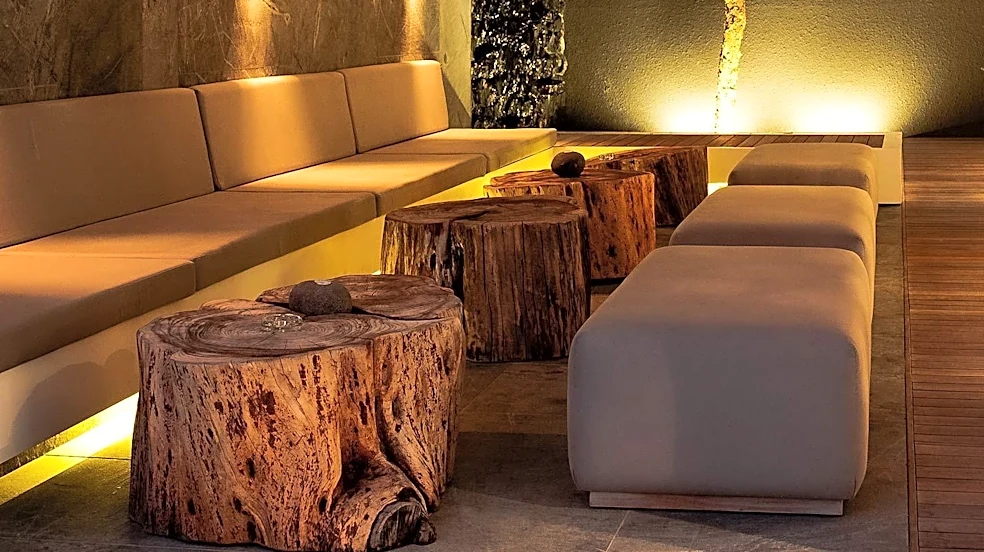
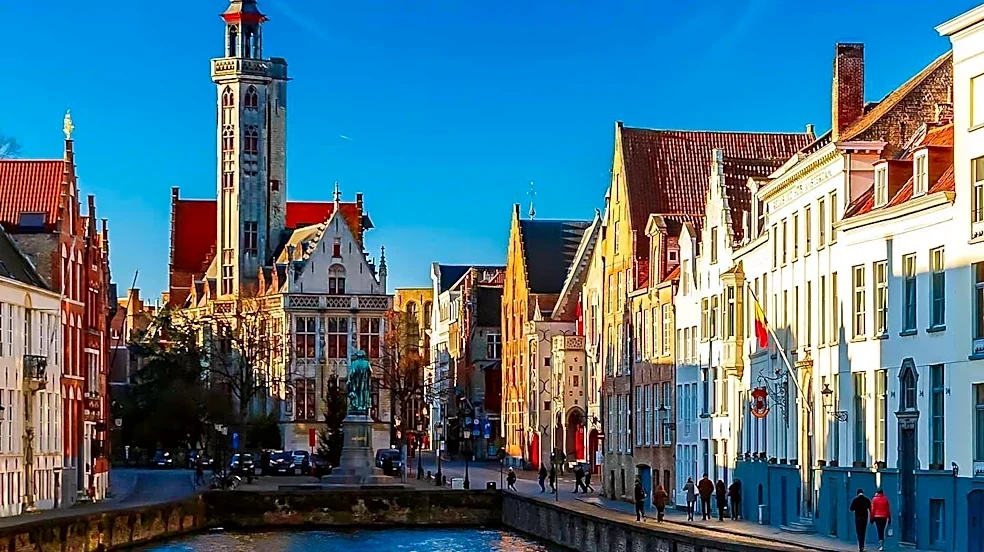
embracing characteristics that make each property distinctive. For instance, a mountain lodge in the Pacific Northwest should not mimic a Miami boutique hotel; rather, its branding should reflect its unique environment. This strategy involves integrating local architectural details, historical narratives, and community connections into the hotel's identity, influencing everything from typography and color palettes to guest communication. The goal is to create an identity that feels authentic and naturally belongs to its setting, making it difficult for competitors to replicate. This focus on a 'sense of place' is considered more powerful than a mere 'sense of style,' allowing hotels to cultivate a memorable and genuine experience for guests.
Why It's Important?
This strategic shift in the boutique hotel sector is significant for the U.S. hospitality industry as it highlights a growing consumer demand for authentic and unique travel experiences. By emphasizing local character and distinct personality, boutique hotels can differentiate themselves from larger chain hotels, which often struggle to offer such individualized experiences. This trend can lead to increased competition within the luxury and niche travel markets, pushing all hotel operators to consider how they can better connect with their local environment and history. For consumers, it means a richer array of choices that offer more than just accommodation, but an immersive experience tied to the destination. This approach also supports local economies by drawing attention to regional culture, history, and craftsmanship, potentially benefiting local businesses and artisans who can partner with these hotels.
What's Next?
The emphasis on unique identity and local character is likely to continue shaping the development and marketing strategies of boutique hotels. Future trends may include deeper collaborations with local artists, chefs, and cultural institutions to further embed the hotel experience within the community. We can expect to see more hotels investing in storytelling through their design, services, and amenities, creating narratives that resonate with guests seeking more than just a place to stay. This could also lead to a greater focus on sustainable practices and locally sourced products, aligning with the authenticity and sense of place that these hotels aim to embody. As travelers increasingly prioritize unique and personalized experiences, hotels that successfully integrate these elements will likely gain a competitive advantage.
Beyond the Headlines
Beyond the immediate business implications, this trend reflects a broader cultural shift towards valuing authenticity and local distinctiveness over standardized luxury. It challenges the notion that 'modernization' in branding always means adopting contemporary, minimalist aesthetics, instead suggesting that history and heritage can be powerful assets. Ethically, this approach encourages hotels to be more responsible stewards of local culture and environment, fostering a deeper connection with their surroundings rather than imposing a generic brand. Legally, it might lead to increased protection for local heritage and architectural styles as they become integral to commercial branding. Culturally, it reinforces the importance of regional identities in an increasingly globalized world, offering travelers a tangible way to engage with the unique spirit of a place.