



What's Happening?
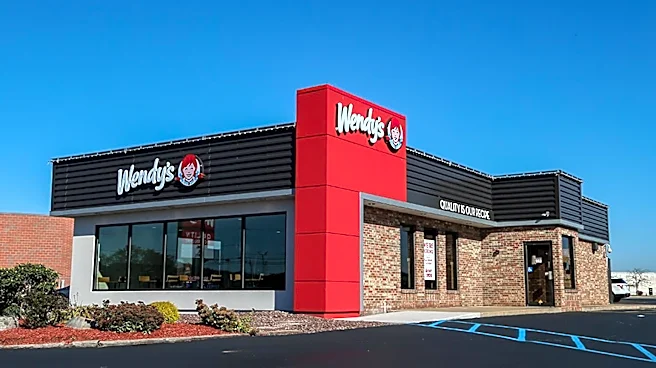
Shares of Wendy's Co. experienced a significant jump on Wednesday following a Financial Times report indicating that activist investor Nelson Peltz is actively preparing a bid to take the fast-food chain private. Peltz's firm, Trian Fund Management, is reportedly
assembling a consortium that may include BlueFive Capital and Flynn Group, one of Wendy's largest franchisees. While a formal offer could materialize within weeks, the timeline remains fluid, and a bid is not guaranteed. This development comes after Peltz previously considered a takeover in 2022 and, in February, his firm declared Wendy's stock as "undervalued" in a regulatory filing, revealing discussions with potential financing sources and co-investors. Trian and Peltz collectively hold over a 24% stake in Wendy's, granting them substantial influence over any potential transaction. Wendy's has faced recent challenges, with its shares trading near a six-year low earlier this year due to weak guidance. The company's current market capitalization is approximately $1.65 billion, making a take-private deal financially viable for a well-funded group.
Why It's Important?
This potential take-private bid for Wendy's carries significant implications for the U.S. fast-food industry and the broader market. For Wendy's, a successful buyout could lead to substantial operational changes, potentially aimed at revitalizing the brand and improving profitability away from public market pressures. The involvement of a major franchisee like Flynn Group suggests a deep understanding of the company's operations and potential synergies. For investors, the surge in share price reflects the market's anticipation of a premium offer, which could benefit current shareholders. However, the speculative nature of the bid also introduces risk, as a failed attempt could lead to a decline in share value. The situation highlights the ongoing trend of activist investors targeting undervalued companies and seeking to unlock value through private ownership. It also underscores the challenges faced by established fast-food chains in a competitive and evolving market, prompting strategic considerations for growth and efficiency.
What's Next?
Wendy's has stated it will "thoroughly review any proposal submitted by Trian consistent with its fiduciary duties." Once a formal bid is presented, the independent directors of Wendy's board will face a critical decision: either negotiate directly with Peltz's group or initiate a broader auction to solicit competing offers. The outcome of this review process will determine the future ownership structure and strategic direction of the company. Short sellers, who currently hold 43.30% of Wendy's float, are closely monitoring the situation, as a concrete offer at a premium could trigger a short squeeze, leading to further upward pressure on the stock price. While buyout discussions have been ongoing since February, the market is now betting on a more definitive resolution in the coming weeks or months. The timeline for a formal bid and subsequent board action remains uncertain, but the market will be watching for any official announcements from Trian Fund Management or Wendy's.
Beyond the Headlines
Beyond the immediate financial implications, a take-private transaction for Wendy's could signal a broader shift in how established restaurant chains navigate market pressures. Private ownership often allows for more aggressive, long-term strategic initiatives without the constant scrutiny of quarterly earnings reports. This could include significant investments in technology, menu innovation, or operational restructuring that might be more challenging under public ownership. The involvement of a major franchisee in the consortium also raises questions about the future relationship between franchisors and their largest operators, potentially setting a precedent for increased franchisee influence in corporate governance. Furthermore, the situation underscores the power of activist investors like Nelson Peltz to drive significant corporate change, even in well-known brands, by leveraging substantial equity stakes and strategic partnerships. This could lead to a re-evaluation of corporate governance and shareholder engagement practices across the industry.