







What's Happening?
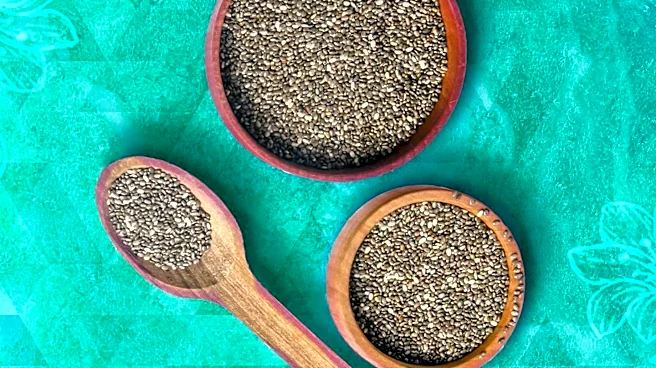
Laura E. Wargo, RD, a dietitian at Northwestern Medicine, emphasizes the significant nutritional benefits of chia seeds and flaxseeds, noting their increasing popularity in American diets. Both seeds are rich in dietary fiber, plant-based protein, and omega-3
fatty acids, contributing to heart health, digestion, and blood sugar regulation. Chia seeds, derived from the Salvia hispanica plant, have a mild flavor and form a gel-like texture when absorbing liquid, which aids in satiety and slows digestion. Flaxseeds, from the flax plant, possess a slightly nuttier taste and are best consumed ground for optimal nutrient absorption. They are also a rich source of lignans, compounds with antioxidant properties beneficial for heart health. Wargo suggests that most Americans fall short of daily fiber recommendations, making these seeds an easy and effective way to boost fiber intake, with just two tablespoons of chia seeds adding approximately 10 grams of fiber.
Why It's Important?
The integration of chia seeds and flaxseeds into the U.S. diet is important due to the widespread deficiency in fiber intake among Americans. This deficiency contributes to various health issues, including poor digestive health, elevated cholesterol levels, and unstable blood sugar. By incorporating these seeds, individuals can significantly improve their cardiovascular health through alpha-linolenic acid (ALA), a plant-based omega-3 fatty acid, and soluble fiber, which helps lower LDL cholesterol. The fiber content also supports digestive regularity and helps prevent sharp spikes and drops in blood sugar, which is crucial for managing and preventing conditions like diabetes. Furthermore, the presence of essential minerals like magnesium, phosphorus, and manganese, along with antioxidants, supports bone health, muscle function, and overall cellular protection against chronic diseases. This dietary shift can lead to a healthier population, potentially reducing the burden on the healthcare system related to diet-related chronic illnesses.
What's Next?
As awareness of the health benefits of chia seeds and flaxseeds grows, it is anticipated that more Americans will incorporate these into their daily diets. Experts recommend starting with about one tablespoon a day and gradually increasing to two tablespoons to allow the body to adjust to the high fiber content and avoid digestive discomfort. Continued education from dietitians and health professionals will likely focus on practical ways to integrate these seeds into various meals, such as smoothies, oatmeal, and baked goods. The food industry may also respond by developing more products that naturally include these ingredients, making them even more accessible to consumers. Individuals with specific health conditions, such as those on blood thinners or diabetes medications, are advised to consult their doctor or dietitian before significantly increasing their intake, highlighting the ongoing need for personalized nutritional guidance.
Beyond the Headlines
Beyond their immediate nutritional benefits, the rising popularity of chia seeds and flaxseeds reflects a broader cultural shift towards plant-based and functional foods in the U.S. This trend signifies a growing consumer interest in proactive health management through diet, moving beyond traditional dietary guidelines to embrace specific ingredients known for their therapeutic properties. The emphasis on these seeds also underscores the importance of understanding food preparation methods, such as grinding flaxseeds for better nutrient absorption, which can influence the efficacy of dietary interventions. This movement could lead to a more informed public that scrutinizes food labels and seeks out nutrient-dense options, potentially driving innovation in the agricultural and food sectors to meet this demand. It also highlights the role of dietitians in translating complex nutritional science into actionable advice for the general public, fostering a more health-conscious society.