







What's Happening?
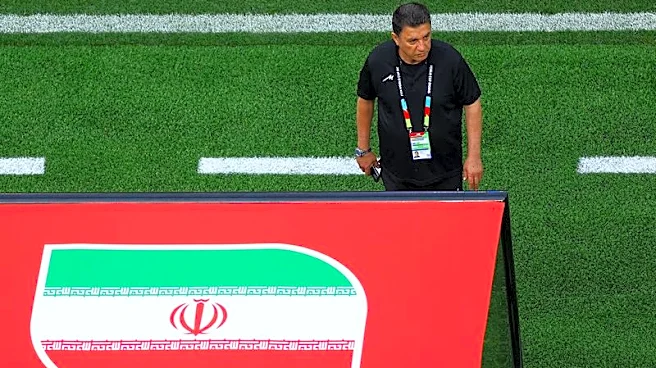
The Iranian national soccer team is experiencing a challenging World Cup due to ongoing tensions between Iran and the United States, the tournament's co-host. The conflict began with a U.S. attack on Iran on February 28, which resulted in the death of
Iran's Supreme Leader, Ayatollah Ali Khamenei. This has led to logistical issues for the Iranian team, including visa problems and the relocation of their training camp from Tucson, Arizona, to Tijuana, Mexico. Despite these challenges, the team is set to play its opening match against New Zealand in Inglewood, California. Team captain Mehdi Taremi expressed that the war has undermined the joy typically associated with the World Cup, affecting both the players and fans. The team has faced additional hurdles, such as denied visas for some delegation members and issues with match tickets.
Why It's Important?
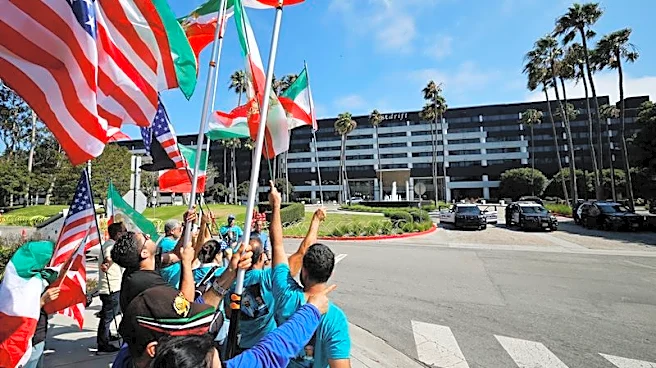
The situation highlights the intersection of sports and international politics, where geopolitical tensions can significantly impact global sporting events. The Iranian team's experience underscores the broader implications of international conflicts on cultural and sporting exchanges. The challenges faced by the team could affect their performance and morale, potentially influencing the outcomes of their matches. Additionally, the presence of a large Iranian diaspora in the Los Angeles area, coupled with planned protests against the Iranian government, adds a layer of complexity to the team's participation. This scenario reflects how sports can become a platform for political expression and tension, affecting not only the athletes but also the global audience and diplomatic relations.
What's Next?
The Iranian team will continue to navigate these challenges as they proceed with their World Cup schedule. They are set to play against Belgium in Inglewood and Egypt in Seattle. The team's ability to focus on their performance amidst these distractions will be crucial. Meanwhile, the broader geopolitical situation may evolve, potentially impacting future matches and the team's ability to compete. The international community will be watching closely to see how these tensions play out on the world stage, both in terms of sportsmanship and diplomatic relations.
Beyond the Headlines
This situation raises questions about the role of international sports organizations like FIFA in managing geopolitical conflicts. The decision to keep Iran's matches within the U.S. despite the ongoing conflict suggests a prioritization of logistical and contractual obligations over political considerations. This could set a precedent for how future conflicts are handled in the context of international sports. Additionally, the Iranian team's experience may influence discussions on the separation of sports and politics, as well as the responsibilities of host nations in ensuring the safety and fair treatment of all participants.