





What's Happening?
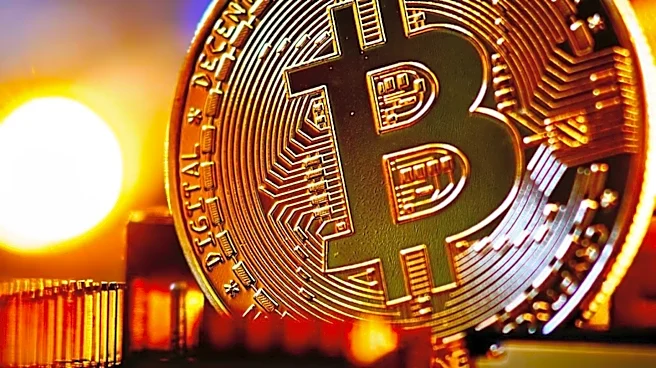
Bitcoin's price has experienced a significant decline, falling below $64,000 as of July 31, 2026. This drop is attributed to escalating tensions between the U.S. and Iran, which have led to increased oil prices and a stronger U.S. dollar. The cryptocurrency's
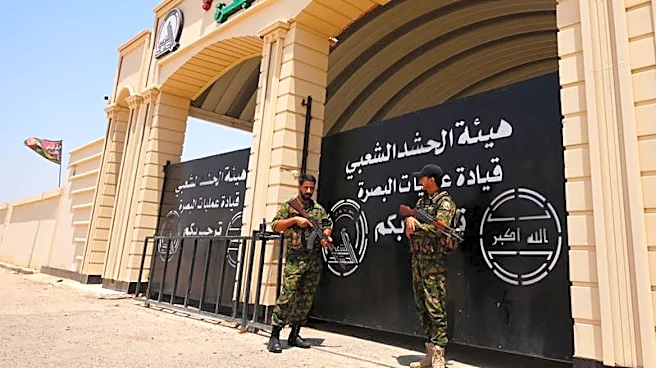
price fell as low as $62,466, marking a 3.6% decrease from its intraday high. The decline has pushed Bitcoin below its seven-day and 25-day simple moving averages, indicating that short-term sellers have regained control. The situation is compounded by Iran's reported attacks on oil tankers in the Strait of Hormuz, which have heightened market risks and contributed to the bearish sentiment in the cryptocurrency market.
Why It's Important?
The current geopolitical tensions between the U.S. and Iran have significant implications for global markets, including cryptocurrencies like Bitcoin. The rise in oil prices and the strengthening of the U.S. dollar are exerting downward pressure on Bitcoin, a non-yielding asset. This situation highlights the vulnerability of cryptocurrencies to external geopolitical events and their interconnectedness with traditional financial markets. Investors and traders in the U.S. and globally are closely monitoring these developments, as further escalation could lead to increased market volatility and impact investment strategies.
What's Next?
Bitcoin's immediate future hinges on its ability to reclaim key price levels. A retest of the $63,400–$64,500 area is possible, and reclaiming $64,500 could weaken the current bearish setup. However, if Bitcoin fails to hold above $62,000, it risks further declines towards $59,000. The geopolitical situation remains a critical factor, with potential for further market disruptions if tensions escalate. Investors will be watching for any signs of de-escalation or negotiations that could stabilize markets and ease inflation concerns.
Beyond the Headlines
The ongoing U.S.-Iran tensions underscore the broader implications of geopolitical conflicts on global financial systems, including cryptocurrencies. The situation raises questions about the resilience of digital assets in the face of traditional market pressures and geopolitical risks. Additionally, the potential for military escalation highlights the need for investors to consider geopolitical factors in their risk assessments and portfolio management strategies.