




What's Happening?
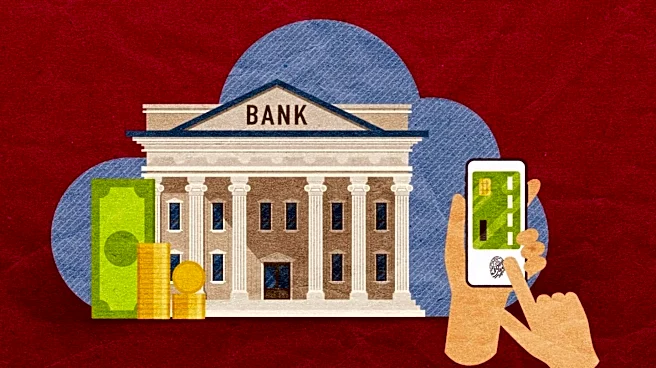
KeyBank is rolling out significant upgrades to its digital and mobile banking platforms, introducing personalized spending insights, password-free sign-in capabilities, and streamlined online direct deposit enrollment. These enhancements are designed
to improve the user experience by offering real-time transaction categorization, displaying merchant logos and addresses, and highlighting spending patterns to help clients identify savings opportunities. A new feature also consolidates recurring subscription charges, enabling users to easily manage or cancel them. The password-free sign-in utilizes passkeys, which rely on cryptographic keys stored on the user's device and authenticate identity through biometric data like fingerprints or facial recognition, or a device PIN. This method aims to bolster security by reducing vulnerabilities to phishing and stolen passwords. Furthermore, KeyBank has partnered with Pinwheel to allow clients to enroll in direct deposit digitally, replacing the traditional paper-based process. This digital enrollment can also qualify clients for KeyBank Early Pay, providing access to eligible deposits up to two days in advance. Clients can also link external bank accounts for transfers and payments via Plaid.
Why It's Important?
These digital banking enhancements by KeyBank are important as they address key consumer demands for greater financial control, security, and convenience in managing their money. The personalized spending insights empower users with actionable data, fostering better financial habits and potentially leading to improved savings and spending decisions. This focus on financial wellness aligns with broader trends in the banking sector where institutions are leveraging technology to offer more value-added services beyond basic transactions. The introduction of passkeys for sign-in represents a significant step forward in cybersecurity for banking, offering a more secure and user-friendly alternative to traditional passwords, which are often susceptible to various cyber threats. By reducing the risk of phishing and password theft, KeyBank is enhancing the trust and safety of its digital platform. The digital direct deposit enrollment and early pay access also streamline essential banking functions, making financial management more efficient and accessible for customers, which can be a crucial differentiator in a competitive banking landscape.
What's Next?
KeyBank plans to roll out these personalized spending insights in phases to clients enrolled in online and mobile banking, indicating a gradual implementation process. The bank will likely monitor user adoption and feedback to further refine these features and potentially introduce additional digital tools. The integration of passkeys suggests a broader industry shift towards more robust and user-friendly authentication methods, and other financial institutions may follow suit if KeyBank's implementation proves successful in enhancing security and user experience. The partnership with Pinwheel for digital direct deposit enrollment could also pave the way for further collaborations aimed at digitizing other traditionally paper-based banking processes. As clients increasingly rely on digital channels for their banking needs, KeyBank will likely continue to invest in technological advancements to maintain its competitive edge and meet evolving customer expectations for seamless, secure, and insightful financial management tools.
Beyond the Headlines
The move by KeyBank towards advanced digital features like personalized spending insights and passkey authentication reflects a deeper industry trend of banks transforming into comprehensive financial wellness platforms rather than just transactional service providers. This shift has ethical implications regarding data privacy and the responsible use of customer financial data to generate insights. While beneficial for users, the collection and analysis of spending patterns require robust data protection measures and transparent communication with customers about how their data is used. Legally, the adoption of passkeys could influence future regulatory standards for digital authentication in the financial sector, potentially setting a precedent for enhanced security requirements. Culturally, these advancements cater to a growing consumer expectation for instant, intuitive, and secure digital interactions across all services, including banking. The long-term impact could be a more financially literate and empowered consumer base, but also a greater reliance on digital tools, potentially widening the digital divide for those without access or proficiency.