




What's Happening?
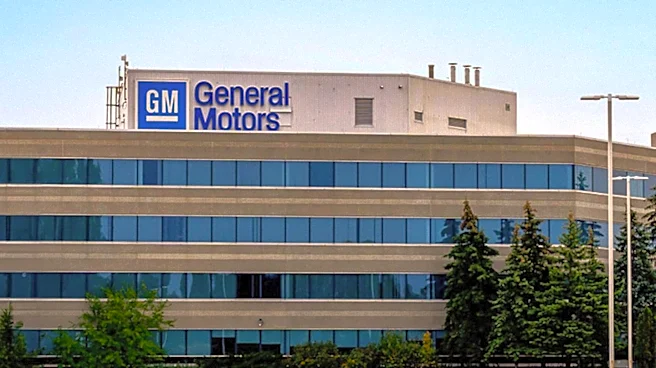
RACER Trust, established after General Motors' 2009 bankruptcy, is nearing the completion of selling off GM's former properties across 14 states. Bruce Rasher, RACER Trust's redevelopment manager, anticipates the remaining properties will be sold within
the next three years. The trust was formed by the U.S. Bankruptcy Court in 2011 and was initially one of the largest holders of industrial property in the United States. It received $500 million from the Troubled Asset Recovery Program (TARP) for environmental cleanup and an additional $250 million for other sales costs. To date, all 166 former GM buildings and 75% of the nearly 7,000 acres of vacant land have been sold. The remaining properties, including former assembly and parts plants in Lansing, Saginaw, and the Flint area, are being marketed as potential sites for data centers, warehouses, and solar and battery storage facilities, with Rasher reporting up to 10 inquiries per week from developers interested in data centers.
Why It's Important?
The ongoing redevelopment efforts by RACER Trust are crucial for economic diversification and job creation in communities historically dependent on manufacturing. A recent economic impact study commissioned by RACER found that these redevelopments have generated nearly 82,000 permanent direct and indirect jobs with an annual payroll of $7.6 billion, averaging $92,700 per job. Furthermore, the new business investment has contributed $63.6 billion in overall economic impact across the 14 states involved. The shift towards data centers, warehouses, and renewable energy facilities on these former industrial sites represents a significant economic transformation, moving away from a single-industry reliance. This initiative serves as a model for revitalizing communities affected by severe economic circumstances, demonstrating how strategic property sales and environmental remediation can lead to substantial economic recovery and growth.
What's Next?
RACER Trust expects to sell its remaining properties within the next three years. The focus for these remaining sites is on attracting data centers, warehouses, and solar and battery storage facilities, reflecting current market demands. However, the pace of sales could be influenced by the broader economic climate, including interest rates and tariffs, which developers are currently considering. Political shifts, such as the Democratic control of the U.S. House and Senate, and state legislatures, could also impact the business environment for these developments. Despite potential challenges, the continued interest from developers, particularly in data centers, suggests a strong market for these redeveloped industrial sites. The trust's success in attracting diverse industries will continue to shape the economic landscape of these communities.
Beyond the Headlines
The RACER Trust's work highlights the long-term consequences and recovery efforts following major industrial bankruptcies, particularly the 2009 GM bailout. The initial controversy surrounding the taxpayer-funded bailout, with some derisively calling GM 'Government Motors,' underscores the complex interplay between government intervention, corporate failure, and economic recovery. The extensive environmental cleanup required for these sites, funded by TARP, also points to the significant legacy costs associated with industrial operations and the necessity of environmental stewardship in redevelopment. The diversification of industries moving into these former GM sites, from automotive manufacturing to data centers and renewable energy, signifies a broader economic evolution in the U.S., moving towards a more technologically advanced and environmentally conscious industrial base. This transformation also raises questions about the future of industrial land use and the role of public-private partnerships in economic revitalization.