

What's Happening?
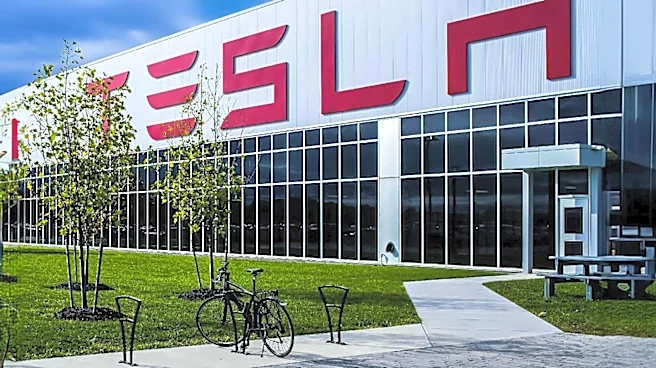
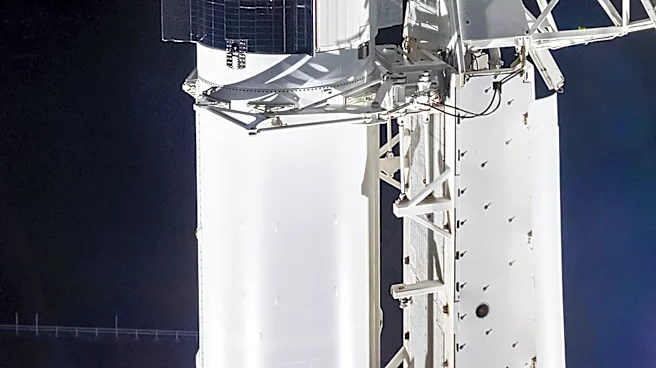
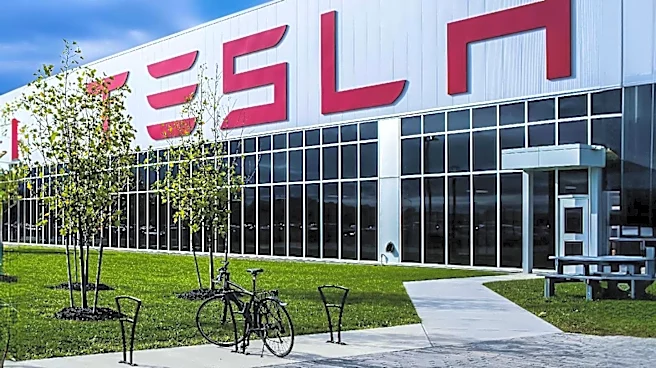
Tesla and SpaceX have each established special committees composed of independent directors to investigate a potential merger between the two companies. This development was announced during SpaceX’s Q3 earnings call on October 20, 2026, and follows requests
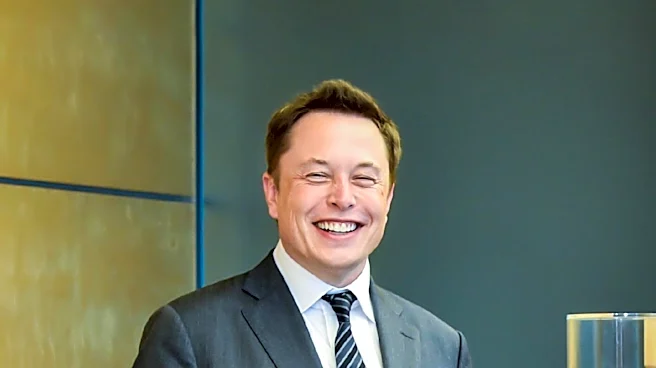
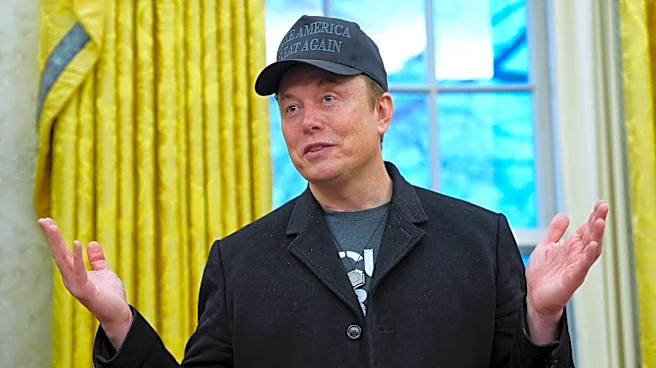
from shareholders. Elon Musk, who leads both companies and is the largest individual shareholder in Tesla and holds majority voting control in SpaceX, is not participating in these negotiations due to governance rules that prevent him from sitting on both sides of the table. The Tesla committee is chaired by Robyn Denholm and includes five other directors, while SpaceX's committee has six independent directors, including Ira Ehrenpreis. Currently, no deal, terms, structure, or valuation has been agreed upon, marking this as the initial phase of a potentially lengthy process. The committees were formed to ensure fair value for shareholders, particularly given Musk's dual role.
Why It's Important?
A potential merger between Tesla and SpaceX carries significant implications for the U.S. business landscape, particularly in the automotive, aerospace, and technology sectors. Such a consolidation could create a colossal entity with a combined estimated value of approximately $3.5 trillion, based on SpaceX's $2 trillion and Tesla's $1.5 trillion valuations at the time of the announcement. This move could accelerate joint efforts in artificial intelligence, robotics, and chip design, including the Terafab semiconductor initiative, potentially leading to groundbreaking innovations and increased market dominance. For shareholders, the primary concern is ensuring fair value, especially for Tesla investors, given Elon Musk's controlling interest in both companies. The complex approval process, requiring sign-offs from both special committees, both boards, and a majority of all outstanding Tesla shares, highlights the rigorous governance standards in place to protect investor interests. The outcome could redefine competition and collaboration within several high-tech industries.
What's Next?
The immediate next steps involve the special committees of both Tesla and SpaceX continuing their exploration of a potential merger. This process will entail evaluating various structures, such as SpaceX acquiring Tesla in an all-stock transaction or the creation of a new holding company above both businesses. A critical aspect will be determining the exchange ratio, which will dictate how many shares of the combined entity Tesla holders would receive relative to SpaceX holders. Shareholders and market observers will be closely watching for disclosures regarding advisers hired by the committees, any preferred structural arrangements, and the valuation framework that emerges from the negotiations. The approval process is extensive, requiring endorsements from both committees, both boards, Elon Musk in his controlling role at SpaceX, and a majority of Tesla's outstanding shares. Regulatory reviews could also add further stages to this complex process, making the timeline for a definitive decision uncertain.
Beyond the Headlines
The exploration of a merger between Tesla and SpaceX transcends a typical corporate acquisition, hinting at a broader strategic vision that could reshape the future of technology and industry. Elon Musk's description of the evaluation process as an 'odd kabuki dance' underscores the intricate governance challenges inherent when a single individual holds significant control over two entities considering a merger. This situation highlights the evolving dynamics of corporate governance in the age of visionary founders who lead multiple, highly innovative companies. The potential for a combined entity to leverage synergies in AI, robotics, and advanced semiconductor initiatives, such as the Terafab project, suggests a long-term play towards creating a vertically integrated technology powerhouse. Such a merger could set new precedents for how diversified, founder-led conglomerates operate and innovate, potentially influencing future regulatory frameworks concerning market concentration and shareholder protection in high-growth sectors. The ethical and legal implications of such a large-scale consolidation, particularly concerning anti-trust considerations and market competition, will likely be scrutinized as the process unfolds.