





What's Happening?
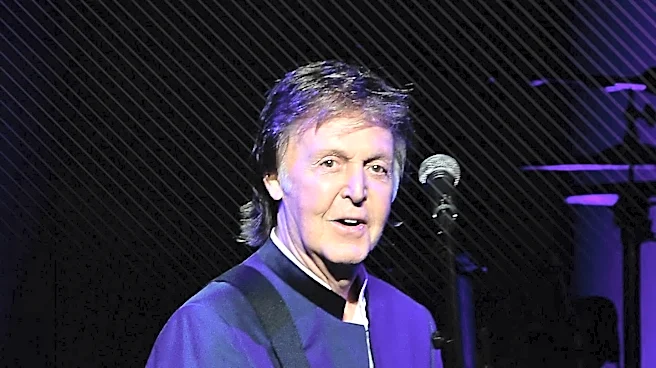
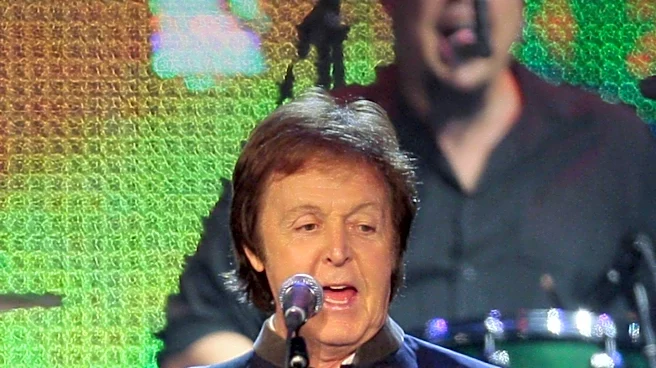
Many prominent pop and rock artists from the 1960s and 1970s faced challenges in the 1980s, leading to some of their albums from that decade being overlooked or unfairly judged. Among these, Paul McCartney's 'McCartney II' is highlighted as an album that warrants
greater recognition. Released when McCartney was exploring new sounds and before the official disbandment of Wings, the album embraced experimental elements like synthesizers and programmed beats, a trend prevalent in 1980. Despite these experimental flourishes, the album showcases McCartney's characteristic songwriting prowess, evident in tracks such as the pop-oriented 'Coming Up' and the melancholic 'Waterfalls'. The source suggests that while the experimental aspects might have initially overshadowed the quality, the underlying songcraft remains elite.
Why It's Important?
The re-evaluation of albums like 'McCartney II' is important for understanding the artistic evolution of iconic musicians and the broader landscape of pop and rock music in the 1980s. For music enthusiasts and critics, it offers an opportunity to revisit and appreciate works that may have been misunderstood or dismissed during their initial release. This perspective can influence how music history is documented and taught, ensuring a more comprehensive understanding of artists' careers beyond their most commercially successful periods. It also highlights the continuous creative drive of established artists to experiment and adapt to changing musical trends, even if those efforts are not immediately met with widespread acclaim. Recognizing these 'underrated' works can enrich the cultural narrative surrounding these artists and their contributions to music.
What's Next?
The ongoing discussion and re-evaluation of these 1980s albums could lead to renewed interest from the public and music industry. This might manifest in re-releases, remastered editions, or documentary features exploring the context and creation of these works. Music streaming platforms and online communities could play a significant role in bringing these albums to new audiences, fostering discussions and critical analyses that challenge previous perceptions. For the artists themselves, or their estates, this renewed attention could lead to a re-appreciation of their creative risks and a deeper understanding of their artistic journey during a transitional decade for music. This trend of revisiting and re-evaluating past works is a continuous cycle in music appreciation.
Beyond the Headlines
The phenomenon of 'underrated' albums from established artists often reflects broader shifts in musical tastes, production techniques, and critical reception over time. In the 1980s, the rise of new technologies like synthesizers and music videos significantly altered the sound and presentation of pop and rock. Artists like Paul McCartney, who had achieved massive success in previous decades, sometimes struggled to navigate these changes, leading to initial critical and commercial lukewarm responses to their more experimental efforts. However, with the passage of time, these experiments can be viewed with fresh eyes, revealing their innovative qualities and the enduring strength of the artists' core talents. This re-evaluation process underscores the subjective and evolving nature of artistic judgment and the importance of historical context in appreciating creative output.