





What's Happening?
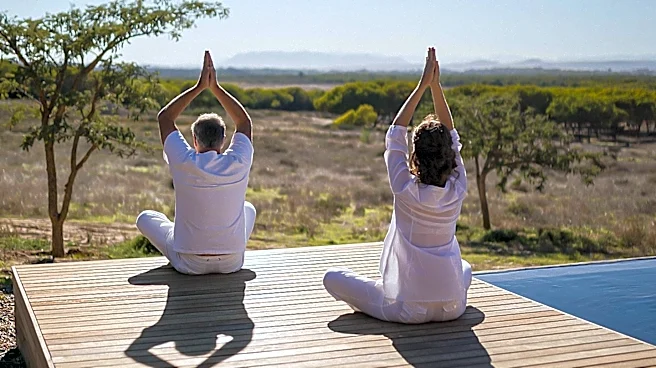
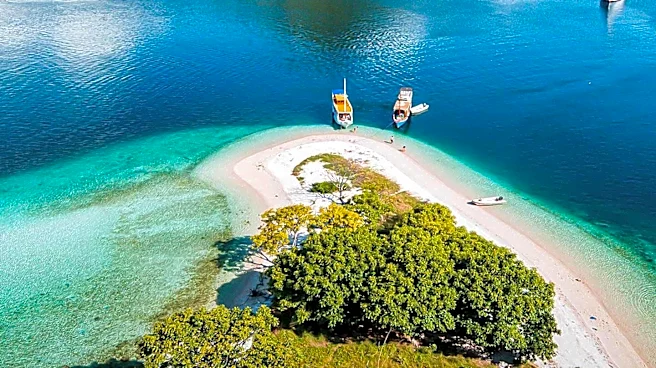
Yoga retreats are gaining popularity as a means for individuals to reset, recharge, and reconnect with themselves, offering a variety of experiences across numerous global and U.S. locations. Bali, Indonesia, is highlighted as a prominent wellness hub,
providing retreats amidst jungles, volcanic mountains, and beaches, focusing on yoga, meditation, and healing therapies. Tulum, Mexico, is recognized for its serene beaches and vibrant energy, suitable for spiritual retreats and eco-luxury getaways. Costa Rica offers retreats combining rainforest adventures, beachside yoga, and sustainable living. India, the birthplace of yoga, provides authentic wellness retreats, detox programs, and meditation in ashrams. Within the U.S., Sedona, Arizona, is noted for its spiritual energy and red rock landscapes, hosting women's and healing retreats. California also features a range of wellness retreats, including options for surfing, hiking, and various classes in diverse settings like Ojai's deserts, Big Sur's parks, and the Bay Area. These retreats often include yoga and meditation, detox and cleansing programs, spa and relaxation treatments, holistic healing therapies, and fitness and adventure activities, catering to different preferences and wellness goals.
Why It's Important?
The growing trend of yoga and wellness retreats signifies a broader societal shift towards prioritizing holistic well-being and self-care. For the U.S. wellness industry, this trend translates into increased demand for specialized travel and health services, potentially boosting local economies in areas known for their natural beauty or spiritual significance, such as Sedona and various Californian regions. The diverse offerings, from intensive yoga practices to more relaxed wellness vacations, cater to a wide demographic, indicating a robust and expanding market. This emphasis on mental, physical, and emotional health can lead to improved public health outcomes, reduced stress levels, and enhanced personal growth for participants. The integration of cultural activities, sustainable practices, and personalized programs also reflects a consumer desire for more meaningful and impactful travel experiences, pushing the industry to innovate and offer more comprehensive wellness solutions. This trend supports local businesses, from retreat centers to organic food providers and therapists, creating a specialized niche within the tourism and health sectors.
What's Next?
The wellness retreat industry is expected to continue its expansion, with a focus on personalized experiences and diverse offerings to meet evolving consumer needs. Retreats may increasingly incorporate advanced wellness technologies, specialized therapeutic approaches, and unique cultural immersion programs. There will likely be a continued rise in weekend retreats and shorter programs to accommodate busy schedules, making wellness more accessible. Destinations within the U.S., particularly those with natural attractions like national parks or coastal areas, could see further development of retreat centers. The industry may also see a greater emphasis on measurable outcomes, with retreats offering tools and practices that participants can integrate into their daily lives for sustained well-being. Furthermore, as awareness of mental health grows, retreats focusing on emotional healing, stress management, and mindfulness are anticipated to become more prevalent, attracting a broader audience seeking comprehensive self-improvement.
Beyond the Headlines
The proliferation of yoga and wellness retreats points to a deeper cultural re-evaluation of work-life balance and the pursuit of inner peace in an increasingly fast-paced world. Beyond the immediate health benefits, these retreats foster a sense of community and connection, often bringing together individuals from diverse backgrounds who share a common goal of self-improvement. This communal aspect can combat feelings of isolation and promote collective well-being. Ethically, the industry faces the challenge of ensuring accessibility and affordability, as many high-end retreats remain exclusive. There's also a growing demand for retreats that genuinely support local communities and practice environmental sustainability, moving beyond superficial 'eco-friendly' claims. The long-term impact could include a societal shift towards preventative health measures and a greater appreciation for practices that integrate mind, body, and spirit, influencing healthcare models and corporate wellness programs to adopt similar holistic approaches.