




What's Happening?
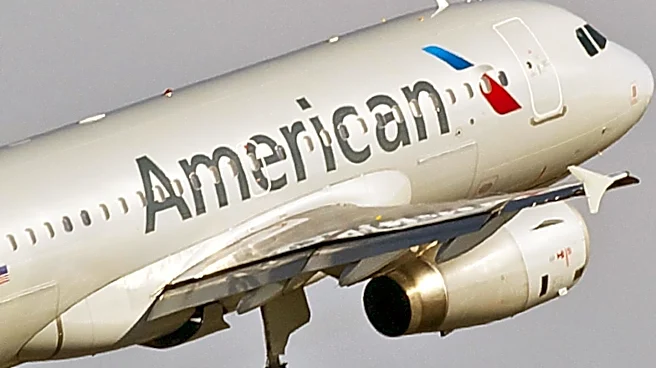
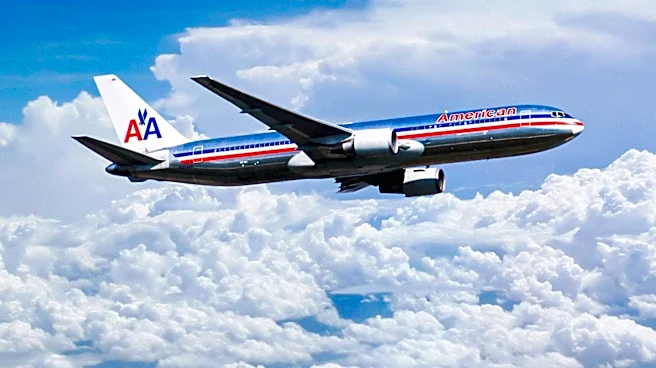
American Airlines recently celebrated UNICEF’s World Children’s Day, highlighting the contributions of its flight attendants to the Change for Good program. For over 30 years, American Airlines has supported UNICEF, raising more than $18 million to aid
children globally. Flight attendants, designated as 'Champions for Children,' collect in-flight donations, including U.S. and foreign currency, from customers on international and Hawaii flights. These donations are crucial for providing health, protection, education, and respect for children in need. Two flight attendants, Saruda Le and Janet Thomas, shared personal stories emphasizing the impact of UNICEF's work, having witnessed its benefits firsthand in their home countries. Additionally, AAdvantage members can contribute to UNICEF's mission by donating miles through the airline's Miles for Social Good initiative, with a minimum donation of 1,000 miles.
Why It's Important?
This initiative underscores the growing trend of corporate social responsibility within major U.S. industries, particularly the airline sector. American Airlines' long-standing partnership with UNICEF demonstrates a commitment beyond its core business operations, leveraging its extensive network and customer base for philanthropic endeavors. The program not only provides significant financial support to UNICEF but also raises awareness among millions of travelers about global children's issues. For American Airlines, such partnerships can enhance brand reputation, foster customer loyalty, and engage employees in meaningful causes. The ability for AAdvantage members to donate miles also offers a unique and accessible way for the public to contribute, potentially increasing participation and impact. This model of corporate-nonprofit collaboration sets a precedent for how large corporations can integrate social good into their business strategies.
What's Next?
American Airlines is expected to continue its support for UNICEF's Change for Good program, with ongoing in-flight collections and opportunities for AAdvantage members to donate miles. The airline's commitment to this partnership is likely to be a recurring feature in its corporate social responsibility communications, especially as it approaches its centennial year in 2026. Future initiatives might explore new ways to engage customers and employees in supporting UNICEF's mission, potentially expanding the scope of fundraising or awareness campaigns. The success of this program could also inspire other U.S. airlines and corporations to develop similar long-term partnerships with humanitarian organizations, further integrating social impact into their business models.
Beyond the Headlines
The partnership between American Airlines and UNICEF highlights the ethical dimension of corporate power and reach. By mobilizing its vast resources—its flights, employees, and customer base—American Airlines transforms routine travel into an opportunity for global philanthropy. This goes beyond simple donations, creating a direct channel for individual travelers to contribute to international aid efforts. The personal stories of flight attendants like Saruda Le and Janet Thomas add a human element, illustrating how corporate initiatives can resonate deeply with employees who have personal connections to the causes supported. This model suggests a shift towards a more integrated approach to corporate citizenship, where social impact is not just an add-on but a woven-in aspect of a company's identity and operations, potentially influencing consumer choices and employee engagement in the long term.