




What's Happening?
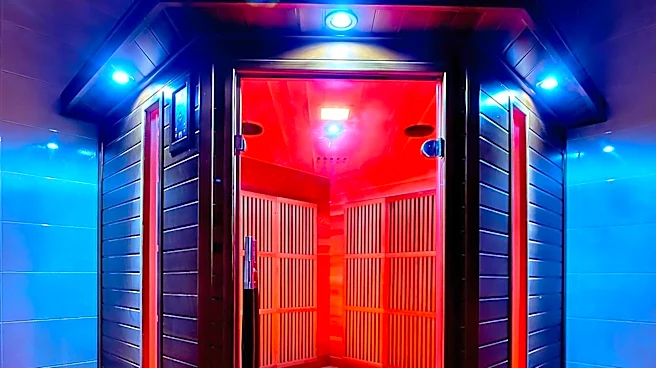
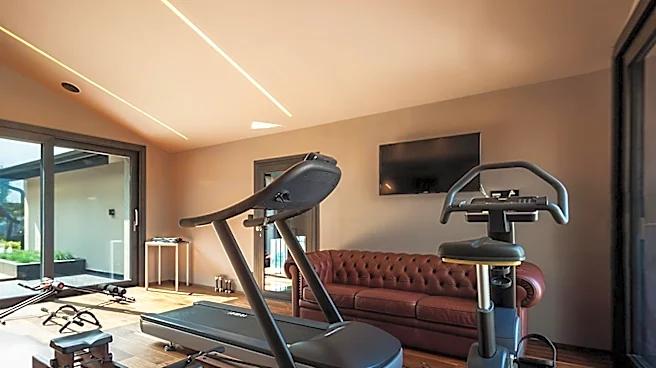
Luxury residential design is increasingly focusing on home wellness, with features like private saunas and dedicated gyms becoming central to new constructions and renovations. Homeowners are seeking to create personal environments for relaxation and recovery,
moving away from the need to schedule external spa visits. Saunas, for instance, are being integrated into various spaces within the home, including bathrooms, home gyms, or specific wellness rooms. The emphasis is on designing these spaces around actual routines and practical use, rather than merely as decorative elements. This trend reflects a broader shift in luxury home features, where functionality and daily enhancement are prioritized over mere extravagance. The goal is to transform ordinary routines into noticeably better experiences by making wellness amenities readily accessible within the home.
Why It's Important?
This trend signifies a significant shift in the U.S. luxury real estate market, impacting both design and consumer expectations. For the construction and interior design industries, it means a growing demand for specialized wellness installations and a need for expertise in integrating these features seamlessly into residential architecture. Manufacturers of saunas, gym equipment, and related wellness products stand to gain from this increased demand. For homeowners, the integration of wellness rooms offers convenience and privacy, potentially leading to improved health and well-being by making regular self-care more accessible. This focus on in-home wellness could also influence property values, with homes featuring well-designed wellness spaces becoming more attractive and valuable. The emphasis on practical, routine-enhancing features suggests a more thoughtful approach to luxury, moving beyond superficial grandeur to tangible lifestyle improvements.
What's Next?
The continued integration of wellness features into luxury homes is expected to drive innovation in home design and technology. We may see further advancements in compact and customizable wellness solutions, such as two-person saunas that fit into smaller spaces, catering to a wider range of luxury homeowners. Architects and designers will likely continue to develop holistic approaches to home wellness, considering factors like ventilation, natural light, and adaptable open spaces in gym designs. The market for smart home technology could also expand to include integrated wellness controls, allowing homeowners to manage their sauna temperatures, lighting, and other environmental factors with ease. This trend is also likely to influence the broader residential market, with some wellness concepts eventually trickling down to more mainstream housing, albeit in simplified forms.
Beyond the Headlines
Beyond the immediate market implications, the rise of in-home wellness spaces reflects a deeper cultural shift towards prioritizing personal health and well-being. In an increasingly fast-paced and stressful society, the home is becoming a sanctuary for rejuvenation. This trend highlights a growing desire for self-sufficiency in health management, reducing reliance on external facilities. Ethically, it raises questions about accessibility to such wellness benefits, as these features are currently concentrated in the luxury market. However, it could also spur innovation that eventually makes some aspects of home wellness more affordable and widespread. The emphasis on designing spaces around actual routines rather than aspirational ideals suggests a more grounded and practical approach to luxury, where value is derived from daily utility and personal enhancement rather than mere display.