



What's Happening?
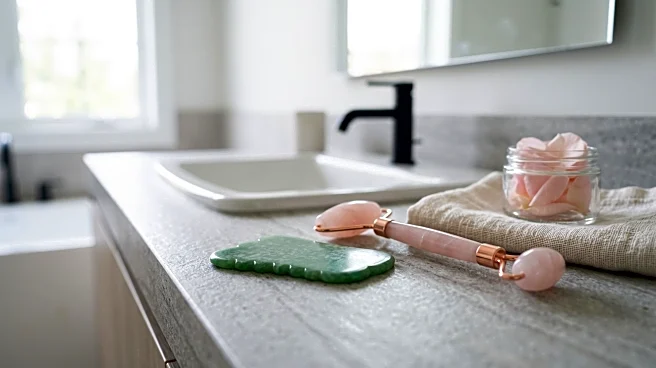
Various facial sculpting tools, including face rollers, gua sha, and electric massagers, are marketed with claims of enhancing facial contours, boosting skin elasticity, and reducing puffiness. However, scientific studies and dermatological reviews suggest
that the long-term efficacy of these tools for permanent sculpting or anti-aging effects is not well-supported. Research indicates that face rollers and gua sha can provide a short-lived reduction in puffiness and a temporary increase in blood flow, lasting for minutes to a few hours. For instance, a 2018 study showed a 20% rise in cheek blood flow for at least 10 minutes after a five-minute rolling session. While some electric massagers, like those from RAS Luxury Oils and Therabody SkinSpa PRO, claim to improve glow, elasticity, and firmness through sonic vibrations or microcurrents, the broader consensus among dermatologists is that these tools do not offer permanent changes to facial structure or fat reduction. The primary benefits observed are temporary fluid shifts and a pleasant massage sensation.
Why It's Important?
The widespread marketing of facial sculpting tools creates significant implications for consumers and the beauty industry in the U.S. Consumers, particularly teenagers and adults seeking anti-aging solutions, may invest in these products based on unsubstantiated claims, leading to financial expenditure without achieving desired long-term results. This can foster unrealistic beauty standards and consumer dissatisfaction. For the beauty industry, the reliance on marketing claims over scientific evidence raises questions about ethical advertising practices and product transparency. While the tools offer temporary benefits like de-puffing and improved blood circulation, the emphasis on 'sculpting' or 'contouring' can mislead buyers. This situation highlights the need for greater scrutiny of beauty product claims and for consumers to approach such purchases with informed skepticism, prioritizing products with proven, lasting effects.
What's Next?
As consumer awareness grows regarding the limited long-term benefits of facial sculpting tools, there may be increased demand for more transparent marketing from beauty brands. Regulatory bodies could potentially face pressure to evaluate the scientific backing of product claims more rigorously, particularly those related to permanent facial alterations. Consumers might shift their focus towards products and treatments with scientifically proven efficacy for skin health and anti-aging, such as professional dermatological procedures or skincare ingredients with established benefits. Additionally, there could be a trend towards appreciating the temporary, feel-good aspects of these tools, such as stress reduction and improved circulation, rather than expecting dramatic, lasting transformations. This shift could lead to a re-evaluation of how these tools are positioned in the market, emphasizing their role in self-care rituals rather than as transformative devices.
Beyond the Headlines
The discourse surrounding facial sculpting tools touches upon deeper societal implications concerning beauty standards and the pursuit of an idealized appearance. The emphasis on 'sculpting' and 'contouring' reflects a cultural pressure to achieve specific facial aesthetics, often fueled by social media and celebrity endorsements. This can contribute to body image issues and a constant quest for perfection, particularly among younger demographics. The reliance on quick-fix solutions, even those with limited scientific backing, underscores a broader trend of seeking immediate gratification in personal care. Ethically, the marketing of these tools raises questions about the responsibility of brands to provide accurate information and avoid exploiting insecurities. This situation also highlights the ongoing challenge of distinguishing between genuine scientific advancements in skincare and products that primarily offer a placebo effect or temporary benefits, influencing consumer trust and purchasing habits in the long run.