






What's Happening?
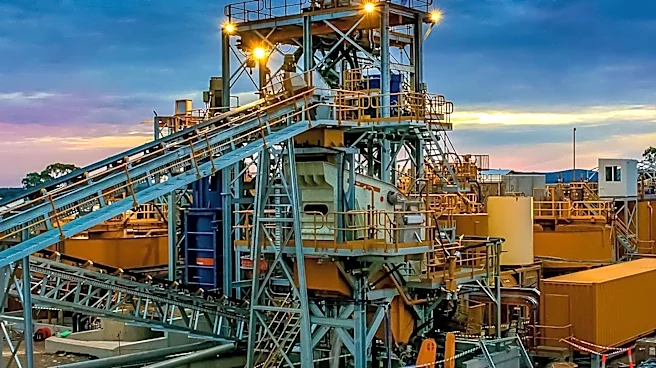
Mesabi Metallics is actively recruiting a Trainer for its new concentrator and pellet plant in Nashwauk, Minnesota. This facility represents the first new iron ore mine and pellet plant in Minnesota in nearly 50 years. The Trainer will be responsible
for developing and delivering hands-on and classroom training for new and existing employees in concentrator and pellet plant operations and maintenance. This includes instruction on equipment inspections, startup and shutdown procedures, normal operating conditions, troubleshooting, and escalation of issues. The role also involves teaching routine maintenance tasks, developing and updating training materials, and assessing employee competency. The company emphasizes a commitment to sustainable mining practices, environmental stewardship, and a safe work environment. The position requires a minimum of 15 years of experience in plant operations, maintenance, or a related industrial environment, with a preference for experience in mining or mineral processing. The annualized salary for this role is $180,000.
Why It's Important?
The establishment of Mesabi Metallics' new iron ore mine and pellet plant signifies a significant development for Minnesota's mining industry and the broader U.S. basic materials sector. As the first new facility of its kind in nearly five decades, it indicates a potential revitalization of domestic iron ore production, which is crucial for the steel industry. The investment in a new plant suggests a long-term commitment to local resource extraction and processing, potentially creating numerous jobs and stimulating regional economic growth. The focus on sustainable mining practices also highlights an evolving industry standard, aiming to balance economic output with environmental responsibility. This project could reduce reliance on imported raw materials, bolstering the domestic supply chain for steel production, a critical component for sectors like automotive and construction. The high salary offered for the Trainer position reflects the specialized skills and experience required for such a complex industrial operation, indicating a demand for skilled labor in this sector.
What's Next?
Mesabi Metallics will continue its recruitment efforts to staff the new concentrator and pellet plant, with the Trainer position being a key hire to ensure operational readiness and safety. Once the Trainer is in place, the focus will shift to developing comprehensive training programs and onboarding new employees across various operational and maintenance roles. The company will likely proceed with the final stages of construction and commissioning of the plant, aiming for full operational status. This will involve coordinating with equipment suppliers and subject matter experts to integrate the latest technologies and operating procedures into the training curriculum. As the plant becomes operational, its output will begin to feed into the U.S. steel supply chain, potentially impacting the availability and cost of domestic iron ore pellets. The success of this project could also influence future investments in the U.S. mining sector, particularly in regions with rich mineral resources.
Beyond the Headlines
The Mesabi Metallics project extends beyond immediate economic impacts, touching upon broader themes of industrial innovation and regional development. The construction of a new iron ore facility after such a long hiatus underscores the ongoing strategic importance of domestic raw material production for national security and economic resilience. It also highlights the challenges and opportunities in modernizing traditional industries, particularly in balancing economic output with environmental concerns. The emphasis on sustainable mining practices suggests a shift towards more responsible resource management, potentially setting new benchmarks for the industry. Furthermore, the project's success could serve as a case study for other regions looking to revive or establish heavy industries, demonstrating how new technologies and environmental considerations can be integrated into large-scale industrial ventures. The long-term implications include strengthening the U.S. manufacturing base and potentially influencing global commodity markets for iron ore.