








What's Happening?
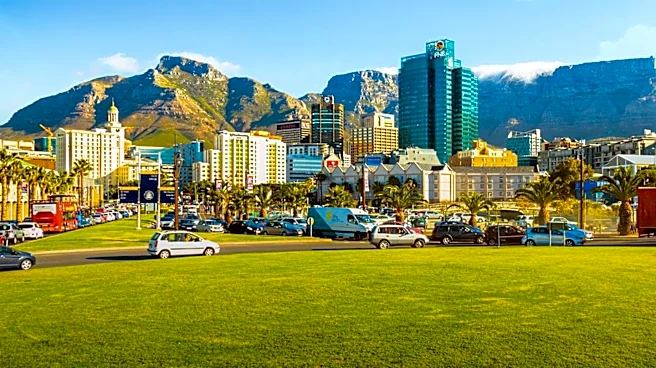
Cape Town, South Africa, is establishing itself as a prominent center for green energy, financial services, and technology. The city serves as the continental headquarters for numerous domestic and multinational corporations. Its infrastructure supports
a dynamic business environment, exemplified by the Cape Town International Convention Centre, which is conveniently located near the V&A Waterfront. This strategic positioning allows business travelers to easily combine work with leisure. Beyond its corporate appeal, Cape Town is a vibrant cultural hub, hosting a variety of cultural, music, and arts festivals throughout the year. The city also attracts hundreds of expos, trade fairs, and exhibitions, leveraging its scenic landscapes as a backdrop for major annual events. The Delaire Graff Estate in the Stellenbosch Mountains further enhances the region's appeal with its Japanese farm-to-table restaurant, Hôseki, and award-winning wines, sourcing ingredients from on-site gardens and local organic farms.
Why It's Important?
Cape Town's growth as a green energy, financial services, and technology hub signifies a broader economic shift and diversification within the African continent. This development is crucial for attracting foreign investment and fostering innovation, potentially creating new opportunities for U.S. businesses looking to expand into emerging markets. The city's focus on green energy aligns with global sustainability trends, offering a model for other developing regions and potentially influencing international policy discussions on renewable resources. The presence of multinational corporations and a robust convention center infrastructure positions Cape Town as a key player in international trade and business tourism. This economic dynamism can lead to increased demand for various services and products, benefiting U.S. companies operating in related sectors. Furthermore, the emphasis on local sourcing for establishments like Hôseki highlights a growing trend towards sustainable and locally-driven economies, which could inspire similar practices globally.
What's Next?
Cape Town is expected to continue its trajectory as a leading economic and cultural center in Africa. The ongoing development of its green energy, financial services, and technology sectors will likely attract further investment and talent, solidifying its position as a continental hub. The city's commitment to hosting numerous festivals, expos, and trade fairs suggests a sustained effort to boost tourism and business engagement. This will likely lead to increased international travel and collaboration. Future developments may include further expansion of its convention facilities and the establishment of more specialized economic zones to support its key industries. The success of initiatives like the Delaire Graff Estate, which combines luxury hospitality with sustainable practices, could also inspire more eco-conscious business models within the region. Continued focus on these areas will likely enhance Cape Town's global profile and economic influence.
Beyond the Headlines
Cape Town's emergence as a multifaceted hub extends beyond mere economic indicators, touching upon significant cultural and environmental dimensions. The city's ability to blend a thriving business environment with a rich cultural scene, including numerous arts and music festivals, fosters a unique urban identity. This integration of commerce and culture can serve as a blueprint for sustainable urban development, demonstrating how economic growth can coexist with and even enhance cultural preservation and expression. The emphasis on green energy and sustainable practices, such as local sourcing for restaurants, reflects a growing global consciousness towards environmental stewardship. This commitment to sustainability could influence consumer preferences and corporate social responsibility standards internationally. Moreover, the city's appeal to both business and leisure travelers, often referred to as 'bleisure,' highlights a changing paradigm in global travel, where individuals seek integrated experiences that combine professional obligations with personal enrichment. This trend could reshape the hospitality and tourism industries, encouraging destinations to offer more holistic and diverse experiences.