




What's Happening?
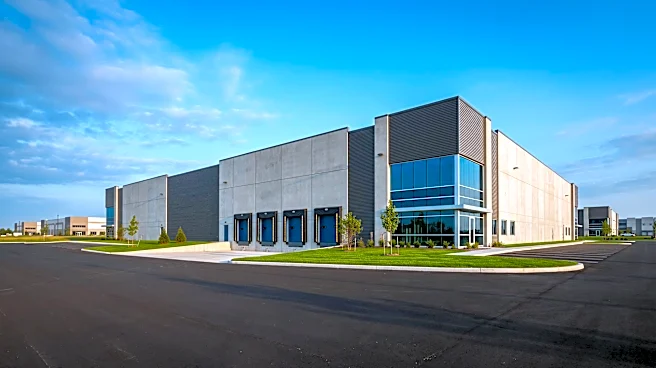
Ares Management, an asset manager based in Los Angeles, has completed the acquisition of two fully leased warehouses in Miami-Dade County from BGRE for a total of $108.7 million. The larger transaction involved a payment of $65.3 million for a 230,147-square-foot
distribution center located at 3811 West 108th Street in Hialeah. This facility is entirely leased to national retailer Target, which signed a 10-year lease in 2022 with options for two five-year extensions. The second acquisition saw Ares Management pay $43.4 million for a 142,472-square-foot warehouse at 13190 Northwest 17th Street, near Sweetwater. This property is fully leased by the e-commerce parcel delivery company LaserShip. Both buildings were developed by BGRE, formerly Brookfield Properties, and were completed between 2022 and 2023. Ares Management has been actively expanding its presence in South Florida's industrial market since establishing an office in Miami Beach in 2024, with previous acquisitions including a warehouse in Weston for $56 million and an industrial portfolio in Broward County for $121 million last year.
Why It's Important?
This significant investment by Ares Management underscores the robust demand and strategic importance of industrial real estate, particularly warehouses and distribution centers, in key U.S. markets like Miami. The full occupancy of these properties by major tenants such as Target and LaserShip highlights the continued growth of e-commerce and the critical need for efficient logistics and supply chain infrastructure. For retailers like Target, a dedicated distribution center ensures streamlined operations and timely delivery, which are crucial for customer satisfaction and competitive advantage in the online retail landscape. Similarly, for e-commerce parcel delivery companies like LaserShip, access to well-located and modern warehousing facilities is essential for optimizing delivery routes and meeting the increasing volume of online orders. This trend reflects a broader shift in the U.S. economy where logistics and warehousing are becoming central to business success, driving investment in industrial properties and creating economic opportunities in the regions that host these facilities. The continued expansion of asset managers like Ares in this sector indicates confidence in its long-term growth potential.
What's Next?
The acquisition by Ares Management is likely to further solidify its position as a significant player in South Florida's industrial real estate market. Given its recent history of investments in the region, it is probable that Ares will continue to seek out similar opportunities for acquiring fully leased or strategically important industrial properties. This trend could lead to increased competition for prime warehouse spaces, potentially driving up property values and lease rates in the Miami-Dade area and surrounding counties. For tenants like Target and LaserShip, securing long-term leases in these facilities provides stability for their supply chain operations, but future lease renewals could be subject to market conditions influenced by such investments. The ongoing demand for e-commerce and efficient logistics will likely encourage further development of industrial parks and distribution centers in the region, attracting more investment and potentially creating jobs in construction, logistics, and warehousing sectors. Local governments may also see increased tax revenues from these commercial property transactions and developments.
Beyond the Headlines
The acquisition reflects a deeper transformation in how physical infrastructure supports the digital economy. Warehouses, once considered mere storage facilities, are now critical nodes in complex supply chains, directly impacting consumer experience and brand loyalty. The strategic location of these Miami warehouses, near major transportation arteries, emphasizes the 'last mile' delivery challenge and the need for proximity to urban centers. This trend also highlights the increasing financialization of real estate, where institutional investors are pouring capital into industrial assets, viewing them as stable, income-generating investments driven by secular trends like e-commerce growth. The long-term leases with prominent tenants like Target and LaserShip de-risk these investments, making them attractive in a volatile economic climate. This shift also raises questions about urban planning and land use, as the demand for large-scale industrial facilities competes with other development needs in rapidly growing metropolitan areas. The reliance on such infrastructure also underscores vulnerabilities to disruptions, whether from natural disasters or economic downturns, making resilience a key consideration for future developments.