





What's Happening?
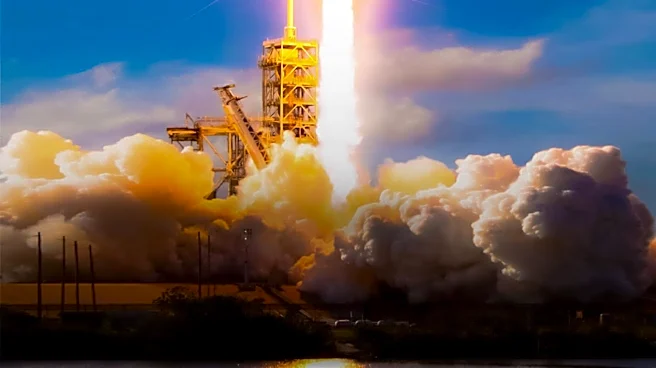
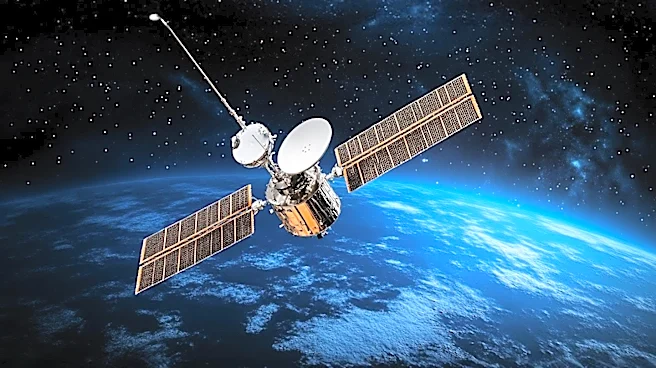
A private mission led by Northrop Grumman has launched a two-armed space robot to extend the operational life of aging communication satellites. The mission, which took off from Cape Canaveral, Florida, involves the use of Mission Robotic Vehicle (MRV)
and jetpacks to attach to satellites running low on fuel. This initiative is part of a broader effort to prolong the functionality of satellites, thereby saving costs associated with launching new ones. The MRV, launched by SpaceX, will spend the next year positioning itself in geosynchronous orbit, 22,300 miles above Earth. Once in place, it will attach jetpacks to three satellites, providing them with the necessary propulsion to continue operations. This mission follows previous successful satellite servicing missions by Northrop Grumman in 2019 and 2020.
Why It's Important?
The mission represents a significant advancement in satellite servicing technology, offering a cost-effective solution for satellite operators like SES of Luxembourg and Optus of Australia. By extending the life of existing satellites, companies can avoid the substantial expenses associated with building and launching replacements. This approach not only reduces costs but also minimizes space debris, contributing to more sustainable space operations. The success of this mission could pave the way for future developments in satellite repair and relocation, potentially transforming how satellite maintenance is conducted.
What's Next?
If successful, Northrop Grumman plans to expand its satellite servicing capabilities, potentially including the repair and relocation of live satellites and the removal of defunct ones from orbit. The company is collaborating with the U.S. Naval Research Laboratory and the Defense Advanced Research Projects Agency to enhance these capabilities. Additionally, Katalyst Space Technologies is testing its Link satellite helper to assist NASA's Swift Observatory, which is experiencing orbital decay due to increased solar activity. These efforts highlight a growing trend towards innovative solutions for satellite maintenance and sustainability in space.