





What's Happening?
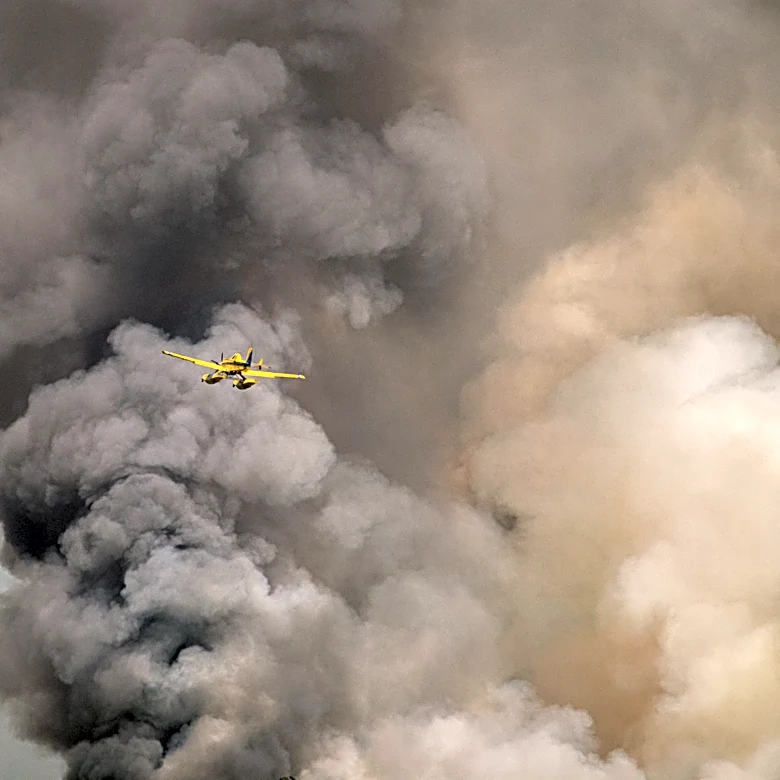
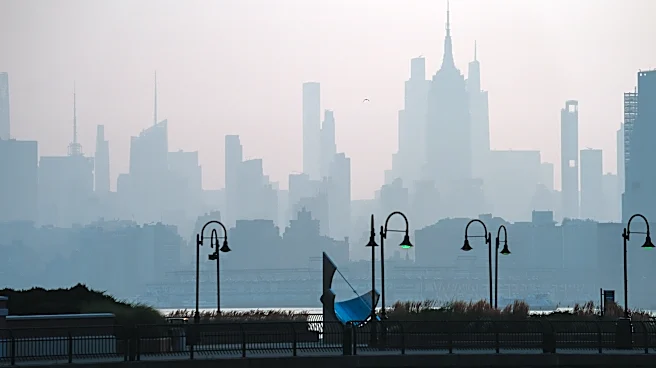
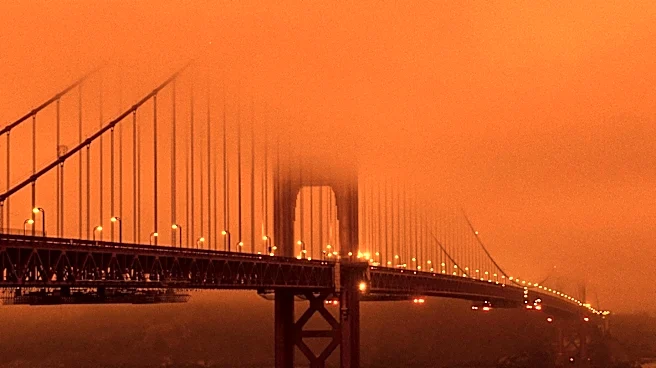
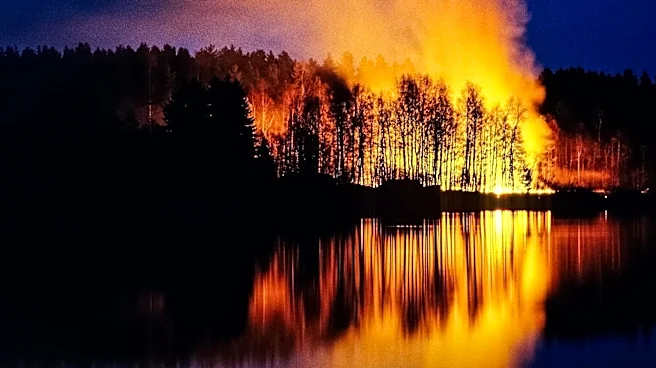
The upcoming World Cup final between Spain and Argentina in New Jersey faces uncertainty due to smoke from forest fires. The smoke has created a thick haze over parts of the U.S., including the New Jersey area where the final is scheduled. While the World Health
Organization forecasts an improvement in air quality, concerns remain about the potential impact on the match. Players and organizers are monitoring the situation closely, with health experts advising caution regarding outdoor activities in polluted air.
Why It's Important?
The potential impact of smoke on the World Cup final highlights the broader issue of environmental challenges affecting major events. Air quality concerns can disrupt not only sports events but also public health and safety. This situation underscores the need for contingency planning and adaptive strategies in event management, especially as climate-related incidents become more frequent. The outcome of this situation could influence future policies and practices for handling environmental disruptions in large-scale events.
What's Next?
Organizers and health officials will continue to monitor air quality levels closely. If conditions do not improve, there may be discussions about rescheduling or relocating the match. The situation also calls for increased collaboration between sports organizations and environmental agencies to develop strategies for mitigating the impact of such disruptions. The response to this event could set precedents for handling similar challenges in future international events.