






What's Happening?
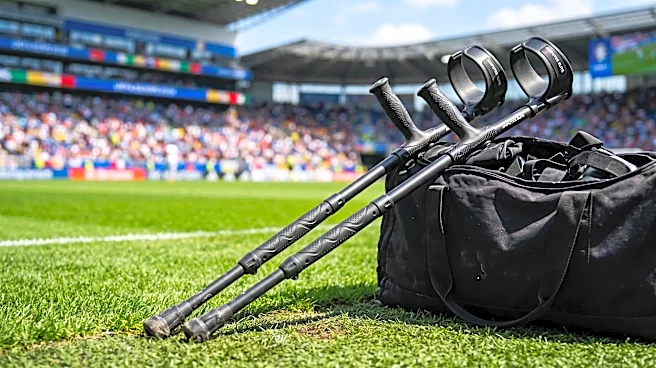
The U.S. Men’s National Amputee Soccer Team, managed by the American Amputee Soccer Association, has qualified for the 2026 Amputee Football World Cup in San Juan de los Lagos, Mexico, scheduled for November 13-22. Despite their qualification, the team
is currently unsponsored and is actively fundraising to cover the costs of flights, lodging, meals, and time off work for its players. The team consists of elite athletes who play a demanding seven-a-side version of soccer on forearm crutches, with outfield players using one leg and goalkeepers defending with one arm. Nico Calabria, the team captain, born with one leg, uses soccer as a platform to communicate his ability and challenge negative stereotypes about disability. Other notable players include Vasu Sojitra, a professional adaptive athlete, Jovan Booker, who honors his late father through the sport, and 18-year-old Jordan Obernesser, who found the sport after losing his leg to bone cancer.
Why It's Important?
The U.S. Amputee Soccer National Team's situation highlights a significant disparity in support for adaptive sports compared to mainstream athletics. Their need to self-fund their World Cup participation underscores the financial challenges faced by many para-athletes, despite their elite performance and dedication. This lack of sponsorship not only creates a financial burden for individual players, who often balance full-time jobs with training, but also limits the team's ability to fully prepare and compete at an international level. Securing sponsorship would provide crucial resources, allowing the athletes to focus on their performance and represent the U.S. without the added stress of fundraising. It also presents an opportunity for brands to align with a compelling story of resilience, determination, and athletic excellence, potentially reaching a broad audience and demonstrating corporate social responsibility.
What's Next?
With the World Cup weeks away, the American Amputee Soccer Association is actively seeking corporate sponsors for jersey, team, and player partnerships. The team's participation hinges on securing the necessary funding to cover their expenses. Potential sponsors have a limited window to engage, as the tournament is fast approaching. The outcome of these fundraising efforts will directly impact the team's ability to compete and represent the United States on the global stage. Success in securing sponsorship could set a precedent for increased support for adaptive sports in the U.S., potentially leading to more stable funding models for future national teams and athletes.
Beyond the Headlines
The U.S. Amputee Soccer National Team's journey extends beyond mere athletic competition; it serves as a powerful narrative challenging societal perceptions of disability. Players like Nico Calabria use the sport to demonstrate ability and dismantle stereotypes, showcasing that disability does not equate to limitation. The team's pursuit of World Cup glory, despite financial hurdles, highlights the profound personal and cultural significance of sports for individuals with disabilities. Their story can inspire broader conversations about inclusivity, accessibility, and equitable opportunities in sports and society at large. A successful sponsorship would not only fund a team but also amplify a message of empowerment and resilience, fostering a more inclusive understanding of athletic achievement.