


What's Happening?
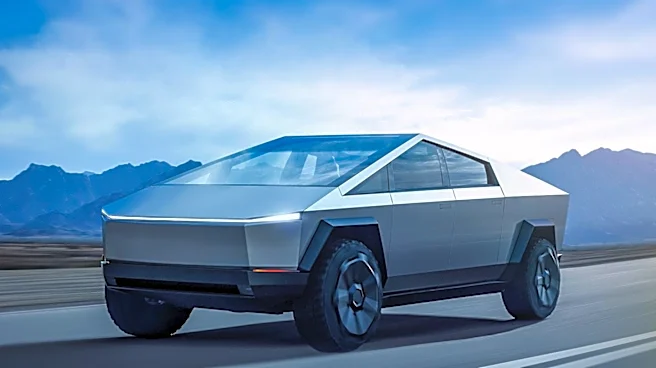
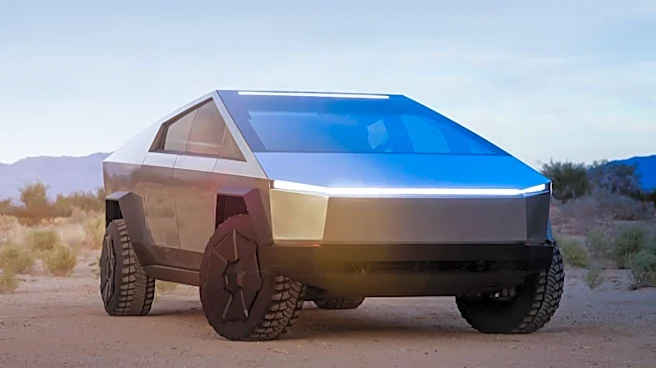
A Tesla Cybertruck owner recently traded his vehicle for a new Rivian R2, receiving a surprisingly strong trade-in value of $72,300 from Rivian. The owner, identified as Reddit user u/MapleOrbit7392, had purchased the Cybertruck for $79,900 in November
2024 and had driven it for over 29,000 miles. This transaction resulted in a depreciation of only $7,600, meaning the Cybertruck retained approximately 90.5% of its original purchase price. The owner expressed satisfaction with both vehicles, noting that his decision to switch was driven by a desire for a new experience rather than dissatisfaction with the Cybertruck. He praised Tesla's Full Self-Driving (FSD) system, which he used for about 80% of his driving, and found Rivian's Universal Hands-Free system encouraging, though he hopes for future point-to-point driving capabilities from Rivian. The trade-in sparked a debate among EV enthusiasts online regarding the merits of Tesla and Rivian vehicles.
Why It's Important?
This event highlights several significant aspects of the U.S. electric vehicle market. Firstly, the high trade-in value for a two-year-old Tesla Cybertruck with substantial mileage suggests a robust demand for the vehicle, despite its controversial design and online criticism. This strong resale value could influence consumer confidence in investing in newer, less established EV models. Secondly, the owner's positive experience with both Tesla's FSD and Rivian's hands-free system underscores the growing importance of advanced driver-assistance technologies in consumer purchasing decisions. The desire for comparable point-to-point driving capabilities in Rivian's offerings indicates a competitive pressure on EV manufacturers to continuously innovate in software and autonomous features. Lastly, the ensuing online debate reflects the passionate, sometimes divisive, nature of the EV community, where brand loyalty often mirrors traditional automotive rivalries, even as the broader goal of EV adoption is shared.
What's Next?
The strong trade-in value observed for the Cybertruck could set a precedent for future resale values of unique or high-demand EV models, potentially influencing pricing strategies for both new and used electric vehicles. Rivian's focus on enhancing its driver-assistance software to compete with Tesla's FSD will be a key area of development, as consumer expectations for advanced autonomous features continue to rise. This competition in software capabilities could drive innovation across the EV industry. The ongoing discussions among EV enthusiasts are likely to continue shaping public perception and brand loyalty, with manufacturers needing to balance technological advancements with community engagement. The broader market will be watching how these factors influence sales and adoption rates of electric trucks and SUVs in the coming years.
Beyond the Headlines
The narrative of a Cybertruck owner switching to a Rivian R2, while seemingly a simple consumer choice, delves into deeper implications regarding brand identity and consumer behavior in the nascent EV market. The owner's ability to appreciate both brands, despite the online polarization, suggests a maturing consumer base that values innovation and performance across different manufacturers. This challenges the notion that EV ownership must be an exclusive allegiance to a single brand. Furthermore, the emphasis on software features like FSD and hands-free driving indicates a shift in what constitutes a 'premium' vehicle experience, moving beyond traditional hardware metrics to include sophisticated digital capabilities. This trend could lead to a future where software updates and AI integration are as critical to a vehicle's value proposition as its physical attributes, fundamentally altering how consumers evaluate and interact with their cars.