








What's Happening?
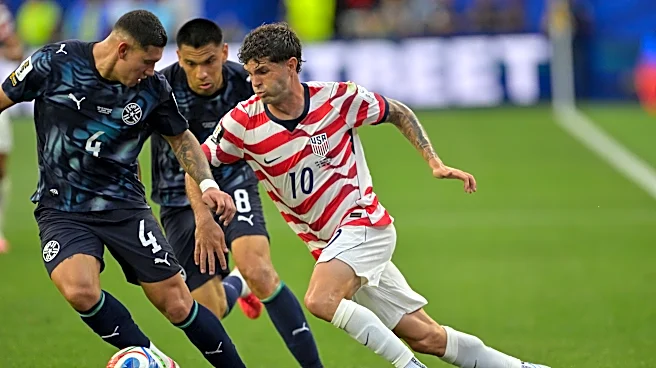
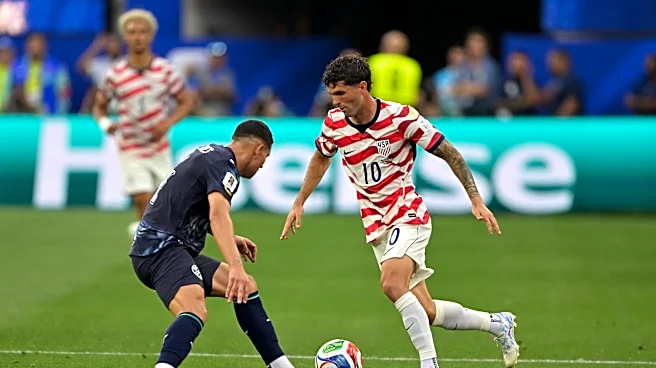
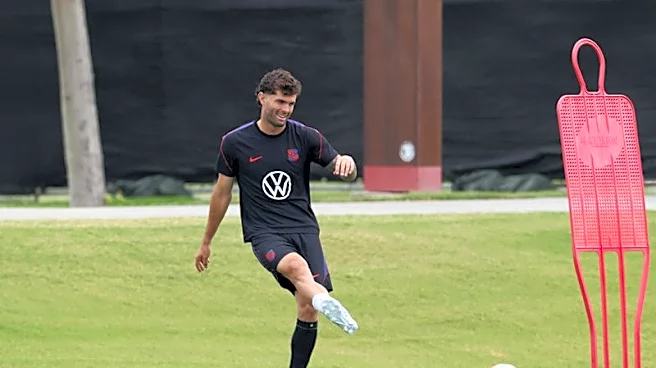
Cristian Roldan, a midfielder for the U.S. World Cup team, represents a rare case in modern American soccer. Unlike many of his peers who progressed through elite academy systems, Roldan played four years of high school soccer at El Rancho High School
in Pico Rivera, California. This path is becoming increasingly uncommon as academy systems and the Elite Club National League grow in influence, often requiring young players to choose between high school teams and elite clubs. Roldan's journey underscores the diminishing role of high school soccer in developing top-tier talent, a shift that has implications for the accessibility and diversity of soccer in the U.S.
Why It's Important?
Roldan's story is significant as it highlights the growing divide in U.S. soccer development pathways. The rise of academy systems has created a 'pay-to-play' barrier, limiting opportunities for players from less affluent backgrounds. This shift could lead to a less diverse pool of talent, as high school soccer, once a key development stage, is overshadowed by elite clubs. The trend raises concerns about the accessibility of soccer and the potential loss of talent that cannot afford the academy route. Roldan's success challenges the notion that elite academies are the only path to professional soccer, emphasizing the need for more inclusive development models.
What's Next?
As the U.S. soccer landscape continues to evolve, stakeholders may need to address the accessibility issues posed by the current system. There could be increased advocacy for more affordable and inclusive pathways that allow talented players from all backgrounds to be scouted and developed. This might involve expanding scholarship programs or creating hybrid models that integrate high school and academy experiences. The success of players like Roldan could inspire a reevaluation of how talent is identified and nurtured, potentially leading to reforms that balance elite training with broader accessibility.
Beyond the Headlines
Roldan's journey also touches on cultural and social dimensions, reflecting the quintessential American story of immigrant success. His parents' faith in public education and community sports infrastructure played a crucial role in his development. This narrative underscores the importance of community support and public resources in nurturing talent. Additionally, it raises questions about the cultural value of high school sports in the U.S. and their role in fostering not just athletes, but well-rounded individuals. As soccer continues to grow in popularity, these cultural aspects may influence how the sport is integrated into American society.