
What's Happening?
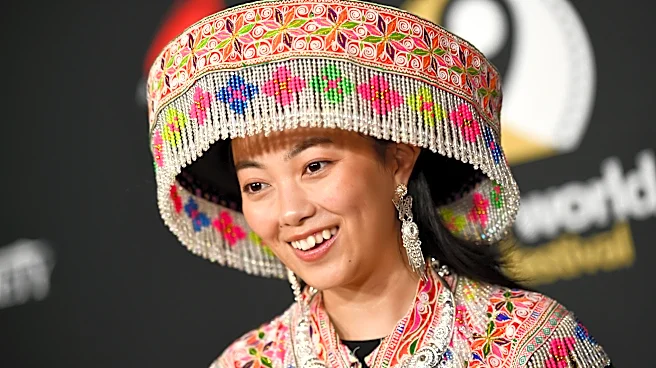
Students at Grant High School in Sacramento recently celebrated the Hmong New Year with an annual festival designed to connect younger generations with their cultural heritage. The event showcased traditional
Hmong music, dancing, and clothing, providing a platform for students to express and learn about their traditions. Savannah Yang, a junior at Grant High School, emphasized the importance of such events in remembering their origins and sharing their culture. Carolyna Yang, from the UC Davis Hmong Student Union, noted that these festivals are crucial for preventing the disappearance of Hmong culture. Grant High School has maintained a Hmong club for over 30 years and is one of the few schools in the Sacramento region to offer Hmong language classes, which help students develop fluency and fulfill college admission requirements. The Sacramento region hosts the nation's third-largest population of people with Hmong ancestry, many of whom are descendants of families who resettled in the U.S. after the Vietnam War.
Why It's Important?
This festival plays a vital role in cultural preservation for the Hmong community in Sacramento, particularly for younger generations who are often the first in their families to be born in the U.S. As many Hmong youth experience a decline in fluency in their native language, events like this festival and the availability of Hmong language classes in schools are critical for maintaining linguistic and cultural identity. The celebration fosters a sense of community and belonging, reinforcing cultural pride and ensuring that traditions passed down through generations continue to thrive. For the broader Sacramento community, it offers an opportunity to engage with and appreciate the rich cultural diversity within the region. This effort to preserve heritage also contributes to the overall social fabric, promoting understanding and respect among different cultural groups and highlighting the importance of multicultural education.
What's Next?
The Hmong New Year celebrations in Sacramento are set to continue later this month with a larger, three-day festival at Cal Expo. This event, scheduled to begin the day after Thanksgiving, is expected to feature a wider array of live entertainment and cultural activities, drawing a larger segment of the Hmong community and the general public. These ongoing celebrations indicate a sustained commitment within the community to uphold and share their cultural heritage. The continued organization of such large-scale events suggests that efforts to engage youth and promote cultural understanding will remain a priority, potentially leading to increased participation in Hmong cultural programs and language classes in the future. The festivals also serve as a significant annual gathering point, strengthening community bonds and cultural transmission.
Beyond the Headlines
The Hmong community's dedication to cultural preservation through events like the New Year festival reflects a broader narrative of immigrant communities striving to maintain their identity in a new homeland. For the Hmong, whose history includes displacement and resettlement after the Vietnam War, these cultural expressions are not just celebrations but acts of resilience and continuity. The emphasis on language education in schools like Grant High School highlights the critical link between language and cultural survival. Losing a native tongue can often mean losing access to ancestral stories, values, and ways of thinking. Therefore, these initiatives are crucial for the mental and social well-being of individuals, providing a strong sense of identity and belonging. This ongoing effort also serves as a model for other communities facing similar challenges in cultural transmission across generations.