






What's Happening?
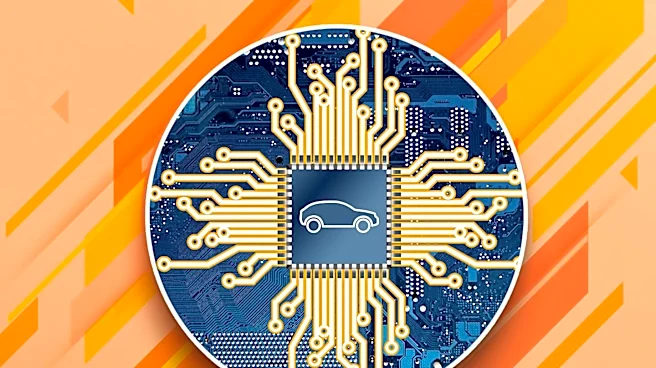
NXP Semiconductors is reportedly in discussions to acquire Ambarella, a company known for designing AI-enabled chips used in camera technology for self-driving cars. The potential acquisition, as reported by the Financial Times, is part of a broader trend
of consolidation within the semiconductor industry, driven by the increasing demand for AI technology. Ambarella, based in San Francisco, has a market value of approximately $3.3 billion. The company specializes in chips for edge AI applications, which allow models to run directly on devices rather than through the cloud. This acquisition would significantly enhance NXP's automotive chip business, which is projected to account for about half of its $15.1 billion revenue this year. The talks are ongoing, and while a deal is not guaranteed, the news has already impacted the stock market, with Ambarella's shares rising by over 17.5% and NXP's shares dropping by 3.3%.
Why It's Important?
The potential acquisition of Ambarella by NXP Semiconductors is significant as it underscores the ongoing consolidation in the semiconductor industry, particularly in the context of the AI revolution. For NXP, acquiring Ambarella would bolster its position in the automotive chip market, a sector that is increasingly important as the automotive industry shifts towards more autonomous and AI-driven technologies. This move could enhance NXP's competitive edge, allowing it to better meet the growing demand for advanced automotive technologies. For the broader industry, this acquisition reflects a strategic alignment towards AI and edge computing, which are becoming critical components in various sectors, including automotive, security, and consumer electronics. The consolidation trend also highlights the competitive pressures and the need for companies to scale up their capabilities to remain relevant in a rapidly evolving technological landscape.
What's Next?
If the acquisition proceeds, it could lead to significant changes in the competitive dynamics of the semiconductor industry, particularly in the automotive sector. NXP may need to navigate regulatory approvals, especially given the global nature of its operations and the strategic importance of semiconductor technologies. The outcome of these talks could also influence other companies in the industry, potentially triggering further mergers and acquisitions as firms seek to strengthen their positions in the AI and automotive markets. Stakeholders, including investors and industry analysts, will be closely monitoring the developments, as the success or failure of this acquisition could have broader implications for market strategies and technological advancements in the semiconductor field.