

What's Happening?
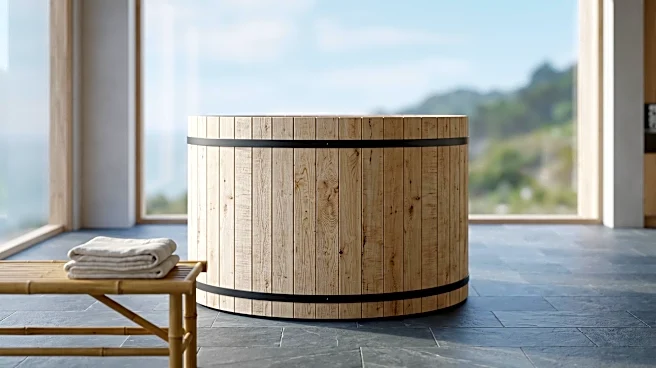
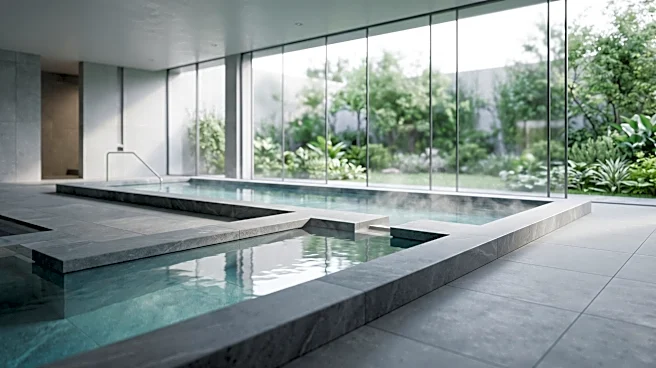
Cold plunges, once primarily found in professional athletic facilities, are now becoming a prominent feature in mainstream U.S. residential design. This trend is driven by a growing interest in at-home wellness solutions. Immersing oneself in cold water
is reported to offer several benefits, including an increase in endorphins, enhanced mental focus, reduction of localized inflammation, and a boost in morning energy levels. Many homeowners are integrating cold plunges with hot treatments, such as saunas, to create 'contrast therapy' setups. This involves alternating between hot and cold, which is believed to stimulate rapid vasoconstriction and vasodilation, aiding in the removal of metabolic waste, reducing muscle soreness, and promoting a refreshed feeling. When considering a cold plunge tub, durability and professional-grade insulation are highlighted as crucial factors to ensure longevity and avoid unexpected repair costs. An optimal temperature of approximately 55°F is suggested for cold plunge immersion to facilitate faster muscle recovery, decrease inflammation, and improve sleep quality.
Why It's Important?
The increasing adoption of cold plunges in residential settings signifies a broader shift in U.S. consumer priorities towards personal wellness and at-home recovery. This trend impacts the home improvement and luxury goods markets, creating new demand for specialized wellness products and integrated backyard designs. Manufacturers and retailers of cold plunge tubs, saunas, and related hydrotherapy equipment stand to gain from this growing market. For homeowners, investing in these features represents a commitment to daily health and stress reduction, potentially leading to improved physical and mental well-being. The emphasis on durability and insulation also points to a consumer demand for high-quality, long-lasting products, influencing manufacturing standards and product development in the wellness industry. This movement transforms traditional backyard spaces into comprehensive wellness oases, reflecting a desire for resort-level amenities within the comfort of one's home.
What's Next?
The trend of integrating cold plunges and contrast therapy into residential design is expected to continue expanding, leading to further innovation in home wellness products. We may see more companies offering integrated recovery systems that combine hot tubs, saunas, and cold plunges, along with professional design and installation services. The market will likely see an increase in diverse product offerings, catering to various budgets and aesthetic preferences, from standalone units to fully customized wellness pavilions. As more homeowners embrace these practices, there could be a rise in educational resources and community groups focused on the benefits and proper use of cold therapy. Additionally, the demand for durable and energy-efficient cold plunge systems will likely drive advancements in insulation technology and material science within the manufacturing sector.
Beyond the Headlines
The surge in popularity of cold plunges reflects a deeper cultural shift towards proactive self-care and a holistic approach to health in the U.S. It highlights a growing desire among individuals to take control of their well-being outside of traditional healthcare settings, integrating wellness practices into their daily routines at home. This trend also underscores a move away from purely aesthetic backyard designs towards functional spaces that contribute to physical and mental health. The emphasis on 'contrast therapy' suggests a growing understanding and acceptance of ancient wellness practices, now being reinterpreted through modern residential design. This could lead to a broader re-evaluation of how home environments can support overall health, potentially influencing architectural trends and urban planning to incorporate more wellness-focused amenities.