




What's Happening?
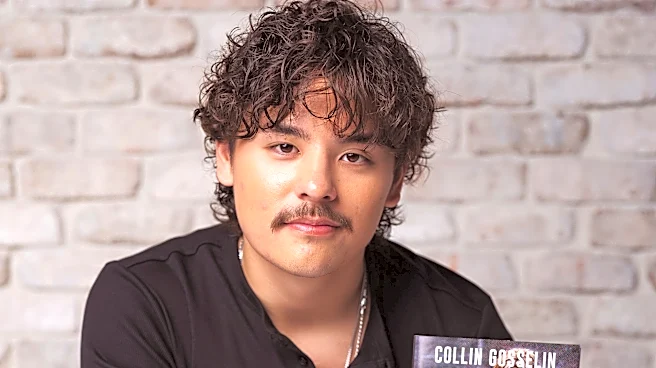
Kate Gosselin, known for the reality show 'Jon & Kate Plus 8,' has indirectly addressed claims made by her son, Collin Gosselin, in his new memoir, 'In the Shadow of Eight: Surviving the Reality of My Childhood.' Collin's book alleges years of abuse by his mother,
leading to his estrangement from her and several of his siblings. Kate Gosselin responded to fan comments on TikTok, rather than issuing a direct statement. In one instance, she replied to a fan who expressed frustration over 'terrible lies' being spread, stating, 'Thank you so much. I know rational logical ppl or anyone who has dealt with mental illness understands what’s going on here :).' She also liked a comment suggesting Collin would 'regret all of this someday' and was 'encouraged and enabled by other dysfunctional and mentally ill people.' Kate further claimed, 'Exactly! I had nothing to do with it, except for consent because it was medically necessary,' referring to her past allegations that Collin suffers from mental health issues, which he denies in his memoir, asserting he was misdiagnosed.
Why It's Important?
This public exchange highlights the ongoing and deeply personal family drama of the Gosselins, a family that gained notoriety through reality television. The allegations of abuse and subsequent public responses underscore the complex and often damaging impact of reality TV on family dynamics, particularly for children who grow up in the public eye. Collin's memoir and Kate's reactions bring to the forefront discussions about parental responsibility, mental health diagnoses, and the long-term psychological effects of childhood experiences, especially when those experiences are documented and broadcast to millions. The use of social media platforms like TikTok for such sensitive family matters also reflects a broader trend in celebrity culture, where personal disputes often play out in public forums, blurring the lines between private life and public spectacle. This situation can influence public perception of reality television and raise questions about the ethical considerations involved in featuring children in such programming.
What's Next?
Given the public nature of the allegations and responses, it is likely that this family dispute will continue to unfold in the public sphere, potentially through further social media interactions, interviews, or statements from other family members. Collin Gosselin's memoir has already brought his perspective to light, and Kate Gosselin's TikTok comments indicate her stance on the matter. The ongoing public discourse could lead to increased scrutiny of the family's past and present, potentially impacting their individual public images and careers. There may also be broader conversations within the entertainment industry about the welfare of child stars in reality television and the responsibilities of producers and networks. The legal implications, if any, are unclear at this stage, but the public nature of the accusations could prompt further actions or responses from either party. The situation serves as a continuing example of the challenges faced by individuals who have lived their lives under the constant gaze of reality television cameras.
Beyond the Headlines
The Gosselin family's ongoing saga, particularly the public airing of abuse allegations and mental health claims, delves into the ethical complexities of reality television and the long-term psychological impact on its participants. The narrative raises critical questions about the consent of minors in such productions and the potential for exploitation when family conflicts become public entertainment. The use of 'mental illness' as a defense or explanation in public disputes also highlights societal stigmas and the delicate balance between privacy and public disclosure in mental health matters. This situation could contribute to a broader cultural conversation about the responsibilities of media outlets in portraying family dynamics, especially when children are involved. It also underscores the challenges individuals face in reclaiming their narratives after years of public exposure, and the difficulty of resolving deeply personal issues under the constant scrutiny of public opinion. The case serves as a poignant reminder of the blurred boundaries between reality and entertainment, and the lasting consequences for those whose lives are transformed into public spectacles.