







What's Happening?
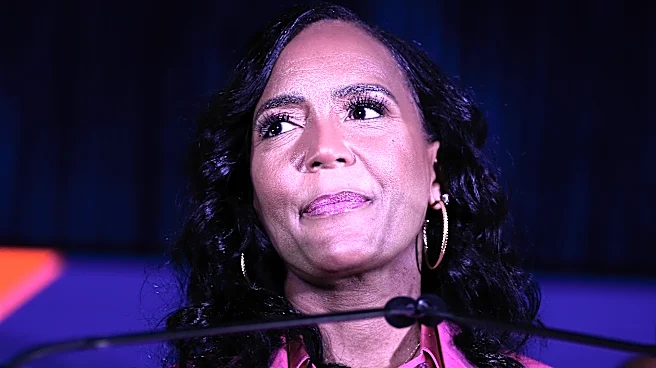
Wendy Williams, a prominent former daytime TV host, remains under a court-ordered guardianship in New York, a situation that began in 2022. This arrangement places a legal guardian, Sabrina Morrissey, in charge of aspects of Williams's life, including
her finances and medical care. The guardianship is rooted in concerns raised by Wells Fargo in 2022 regarding Williams's well-being and potential financial exploitation. In February 2024, Williams's care team publicly disclosed her diagnosis of frontotemporal dementia (FTD) and primary progressive aphasia, conditions affecting behavior, personality, language, and comprehension. This diagnosis forms the basis of the guardian's argument that Williams cannot reliably make independent financial and medical decisions. Despite Williams's public statements expressing a desire to end the guardianship and her lawyer Joe Tacopina's efforts, the arrangement remains active as of early November 2026, with court filings sealed, making definitive public verification of her status challenging. The situation has also involved separate legal actions, including a settled lawsuit by the guardian against Lifetime and A&E over a documentary, and a dismissed federal suit filed by Williams's ex-husband, Kevin Hunter.
Why It's Important?
The ongoing guardianship of Wendy Williams highlights critical issues surrounding adult guardianship laws in the U.S., particularly concerning public figures. It underscores the tension between an individual's autonomy and the legal system's role in protecting vulnerable adults, especially when medical diagnoses like frontotemporal dementia and aphasia are involved. The case draws parallels to other high-profile conservatorship battles, such as Britney Spears's, but differs significantly due to the medical diagnoses at its core. The sealing of court records in Williams's case raises questions about transparency and public oversight of guardianship proceedings, even as proponents argue it protects her privacy. The financial implications are substantial, with allegations of a multi-million dollar estate under management, and the guardian's control over Williams's media rights and contracts significantly impacts her professional future. This case serves as a high-profile example of the complexities and challenges inherent in adult guardianship, affecting not only the individual but also their family, legal representatives, and the public's perception of such legal interventions.
What's Next?
The future of Wendy Williams's guardianship remains uncertain, with several potential paths forward. The court could modify the guardian's powers, restoring some rights to Williams while maintaining financial or medical protections, a common outcome when evidence is mixed. Alternatively, the guardianship could continue, especially given the documented dementia diagnosis and the court's acceptance of medical findings. Termination of the guardianship is also a possibility if new medical evidence persuades the judge or if a jury trial, which Williams's lawyer Joe Tacopina has indicated he would pursue if necessary, rules in her favor. However, the previous prediction of the guardianship ending by late 2025 did not materialize, suggesting that the court's pace will dictate the timeline. Key signals to watch for include new medical evaluations, scheduled hearings or trials, and any changes in the appointed guardian. The outcome will significantly impact Williams's personal autonomy, financial control, and potential return to public life, with her family and legal team continuing to advocate for her interests.
Beyond the Headlines
The Wendy Williams guardianship case delves into profound ethical and legal questions beyond the immediate headlines. It illuminates the delicate balance between safeguarding an individual's well-being and respecting their fundamental rights to self-determination, particularly when cognitive impairments are present. The public nature of Williams's career and her subsequent health challenges have brought increased scrutiny to the often-private world of adult guardianships, prompting discussions about potential abuse, financial exploitation, and the adequacy of legal oversight. The 'Free Wendy' movement, mirroring the 'Free Britney' campaign, highlights a growing public awareness and concern about individuals losing control over their lives under such arrangements. This case also underscores the challenges faced by families and legal systems in navigating complex medical diagnoses like frontotemporal dementia and aphasia, where capacity can fluctuate and be subject to differing interpretations. The sealed records, while intended to protect privacy, also fuel speculation and make it difficult for the public to fully understand the justifications for the ongoing guardianship, raising broader questions about transparency in legal proceedings involving vulnerable adults.