



What's Happening?
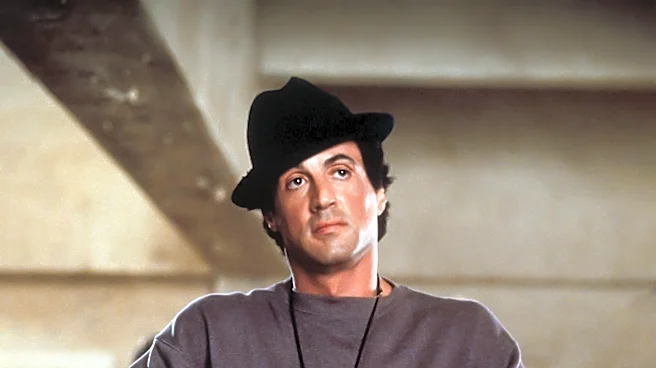
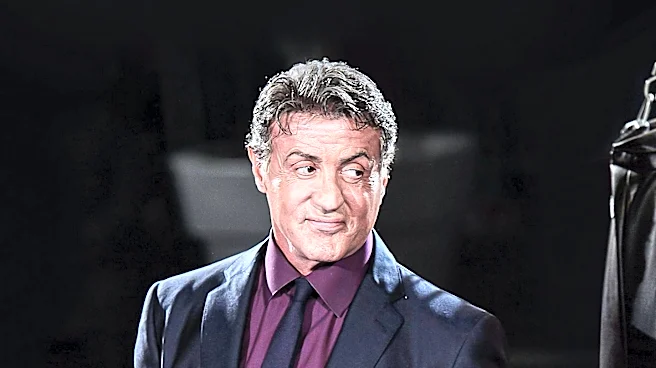
Sylvester Stallone has announced his decision to cease his long-standing ownership dispute with the producers of the 'Rocky' franchise. According to Radar Online, the actor, who famously portrayed Rocky Balboa, expressed his frustration over having 'zero
ownership' of the franchise despite writing the original film. Stallone stated, 'God, I have tried!' and described significant 'maneuvering behind the scenes.' He recounted being told, 'Hey, you got paid, so what are you complaining about?' which he found infuriating. Stallone noted the global popularity of 'Rocky,' asserting it is shown more frequently on television worldwide than other Oscar-winning films like 'The Godfather.' Despite his past anger, he acknowledged that 'time has moved on' and he feels 'very, very lucky,' choosing not to dwell on the issue. The original 'Rocky' movie, for which Stallone wrote the story, was released in December 1976. He also revealed that major stars like Robert Redford, Nick Nolte, Jimmy Caan, Ryan O'Neal, and Burt Reynolds were considered for the lead role before he secured it himself.
Why It's Important?
This decision by Sylvester Stallone highlights the complex and often contentious nature of intellectual property rights and profit sharing within the Hollywood entertainment industry. For creators, particularly those who achieve success from humble beginnings, securing ownership stakes in their creations can be a significant challenge. Stallone's experience underscores a common narrative where initial financial compensation might be substantial, but long-term equity and control remain elusive. This situation can lead to considerable financial and emotional strain for artists who feel disconnected from the ongoing success of their work. The 'Rocky' franchise, including its 'Creed' spinoffs, has generated billions globally, making the lack of ownership a substantial point of contention for its creator. This case serves as a cautionary tale for emerging talent about the importance of negotiating comprehensive ownership rights from the outset, as well as a reflection on the power dynamics between studios, producers, and creative talent in Hollywood.
What's Next?
With Sylvester Stallone stepping away from the ownership dispute, the current producers of the 'Rocky' and 'Creed' franchises will likely continue to control the future direction and development of these properties without further legal challenges from the original creator. This could mean continued expansion of the cinematic universe, potential new spin-offs, or reboots, all under the existing ownership structure. For Stallone, this decision signifies a personal closure on a long-fought battle, allowing him to focus on other projects, such as his role in the 'Tulsa King' series. The broader entertainment industry may observe this outcome as a reinforcement of existing contractual norms, potentially influencing how future deals are structured, especially for creators who may not have significant leverage early in their careers. It also might reignite discussions among industry guilds and advocacy groups about fairer compensation and ownership models for writers and actors.
Beyond the Headlines
Stallone's candid remarks about Hollywood's 'ruthless side' and the industry's tendency to 'stab you in the chest' offer a deeper look into the often-unseen struggles faced by even highly successful artists. His experience reflects a broader ethical debate within the entertainment industry regarding the fair treatment of creators, especially when their initial contributions become massively profitable. The sentiment of being told, 'Hey, you got paid, so what are you complaining about?' reveals a transactional mindset that can devalue the artistic and intellectual contributions of creators beyond their initial paycheck. This situation also touches upon the cultural significance of iconic characters and franchises; while 'Rocky' is globally recognized, its creator feels alienated from its long-term financial legacy. This ongoing tension between creative input and corporate ownership continues to shape the landscape of intellectual property in media, raising questions about legacy, artistic control, and equitable distribution of wealth in an industry built on creative output.