




What's Happening?
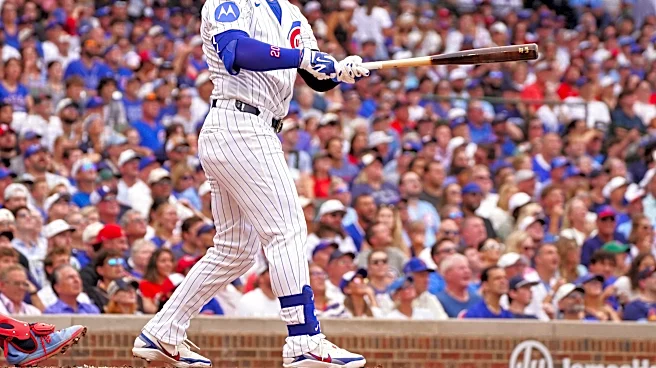
The Chicago Cubs are engaged in a legal battle with Wrigley View Rooftop, accusing the company of 'parasitic' business practices. The Cubs have filed a lawsuit alleging misappropriation, unjust enrichment, false advertising, and trademark infringement.
The core of the dispute revolves around Wrigley View Rooftop selling tickets to view games, concerts, and other events at Wrigley Field from its adjacent rooftop property without the Cubs' authorization or compensation. The Cubs argue that Wrigley View Rooftop's business model is entirely dependent on the events hosted at Wrigley Field, for which the Cubs bear all the costs. U.S. District Judge Sharon Johnson Coleman is currently weighing rival summary judgment arguments from both parties. The Cubs are seeking a permanent injunction that would effectively end Wrigley View Rooftop's operations, while Wrigley View Rooftop contends it operates lawfully under Chicago's municipal code and that the Cubs do not possess a property right to prohibit viewing from neighboring private property.
Why It's Important?
This lawsuit holds significant implications for the sports and entertainment industries, particularly concerning property rights and unauthorized viewing of live events. If the Cubs prevail, it could establish a precedent that strengthens the ability of sports teams and venue owners to control how their events are viewed from outside their property, potentially impacting businesses that operate similarly near other stadiums. Conversely, a ruling in favor of Wrigley View Rooftop could affirm the rights of property owners adjacent to venues to utilize their land for commercial purposes, even if it involves viewing events without direct compensation to the event organizer. The case also touches on intellectual property rights, specifically whether live sporting events are subject to copyright protection in the same way as broadcasts. The outcome could influence future business models for event viewing, potentially leading to new licensing agreements or increased legal challenges for unauthorized viewing methods, including emerging technologies like drones.
What's Next?
U.S. District Judge Sharon Johnson Coleman is currently reviewing the summary judgment arguments from both the Chicago Cubs and Wrigley View Rooftop. Her decision will determine whether the case proceeds to trial or if one party is granted a judgment based on the existing evidence. If summary judgment is denied, the case will move forward to a full trial. There is also the possibility of a settlement at any point, which could involve Wrigley View Rooftop continuing operations but sharing a percentage of its revenue with the Cubs, similar to an arrangement that existed between 2004 and 2023. The outcome will likely set a significant precedent for how sports teams manage external viewing opportunities and how adjacent businesses can operate in relation to major venues.
Beyond the Headlines
This legal battle delves into complex questions about the nature of property rights in the context of public events and private viewing. The Cubs' argument that Wrigley View Rooftop is 'parasitic' raises ethical considerations about who benefits from the significant investments made in staging live events. It highlights the tension between a venue owner's desire to monetize all aspects of their product and a neighboring property owner's right to use their land for commercial gain. The case also implicitly addresses the evolving landscape of content consumption, where traditional boundaries of viewership are being challenged by new technologies and business models. The long-term implications could extend to how cities regulate businesses around major sports and entertainment venues, potentially leading to new ordinances or zoning laws designed to clarify these rights and responsibilities. It also forces a re-evaluation of what constitutes 'unauthorized' viewing in an era where visual access is increasingly democratized.