





What's Happening?
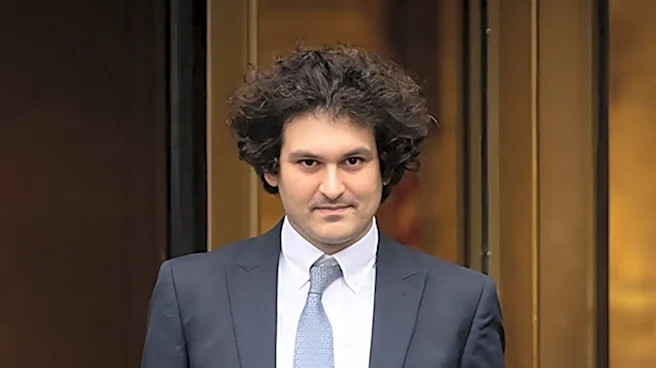
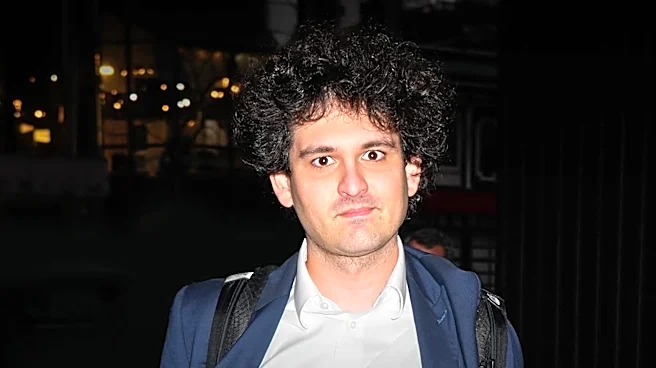
Sam Trabucco, former co-CEO of Alameda Research, has forfeited $70 million, two apartments, and a yacht to FTX creditors. This action follows the collapse of FTX and the conviction of its founder, Sam Bankman-Fried, on fraud, conspiracy, and money laundering
charges. Trabucco, who served as co-CEO of Alameda alongside Caroline Ellison, left the firm in August 2022, prior to Bankman-Fried's arrest and FTX's bankruptcy declaration in November 2022. While Trabucco has not faced criminal charges in connection with his role at Alameda, his name was frequently mentioned during Bankman-Fried's criminal trial due to his prominent position in the company. Bankman-Fried was sentenced to 25 years in prison in March 2024 after being accused of stealing over $8 billion from FTX customer accounts to cover Alameda's losses.
Why It's Important?
This forfeiture by Sam Trabucco is a significant development in the ongoing fallout from the FTX collapse, highlighting the efforts to recover assets for the defrauded customers and creditors. The substantial amount of money and assets surrendered by a former high-ranking executive, even without criminal charges, underscores the severe financial repercussions for individuals associated with the crypto empire's downfall. It also signals a continued push by authorities and creditors to hold those involved accountable and to mitigate the losses incurred by investors. The case reinforces the risks associated with unregulated or poorly regulated cryptocurrency ventures and the potential for widespread financial damage when such enterprises fail due to alleged fraud. The recovery of these assets is crucial for partially compensating the victims of one of the largest financial frauds in recent history.
What's Next?
The forfeiture of assets by Sam Trabucco is part of the broader process of asset recovery and restitution for FTX creditors. While Trabucco has not faced criminal charges, the legal and financial implications for other individuals associated with FTX and Alameda Research may continue to unfold. The ongoing efforts to locate and recover additional assets will likely persist as creditors seek to maximize their recovery. The case may also influence future regulatory discussions and actions concerning the cryptocurrency market, potentially leading to stricter oversight and enforcement to prevent similar large-scale frauds. The dramatization of these events in media, such as 'The Altruists,' suggests continued public interest and scrutiny of the crypto industry's past practices.
Beyond the Headlines
The case of Sam Trabucco and the broader FTX scandal raise profound questions about accountability in the rapidly evolving cryptocurrency sector. The distinction between criminal culpability and financial responsibility is highlighted, as Trabucco, despite not being charged criminally, is still compelled to forfeit significant assets. This situation underscores the complex legal landscape surrounding digital assets and the challenges in tracing and recovering funds in a globalized and often opaque financial environment. The narrative also touches upon the personal toll on individuals caught in such high-stakes financial collapses, as Trabucco's public statements reflect a desire to move on and prioritize personal well-being after a period of intense professional involvement. The ongoing saga serves as a cautionary tale about the need for robust governance and ethical conduct in emerging financial markets.