



What's Happening?
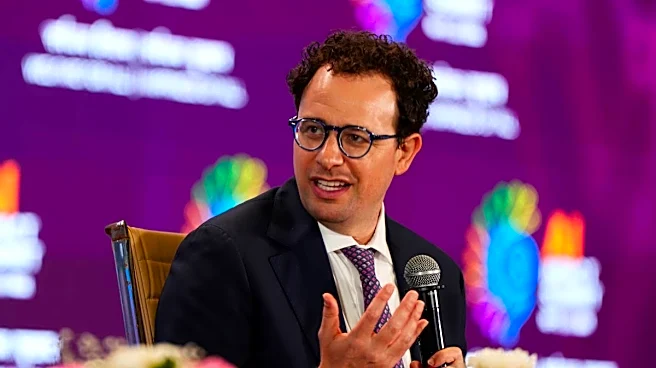
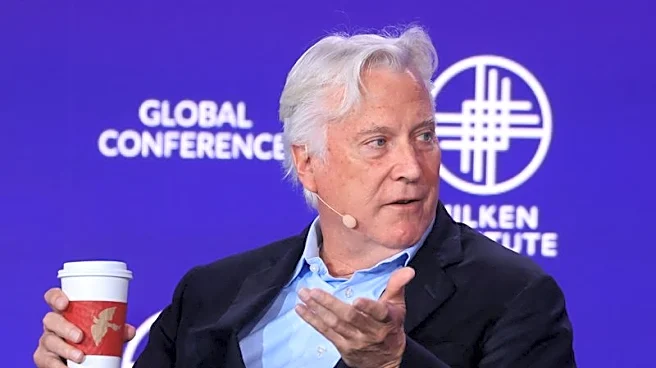
A long-running lawsuit concerning the 2023 merger of WWE and UFC under TKO Group Holdings has reached a settlement. Court documents reveal that a total of $147.5 million will be paid by five individuals: Vince McMahon, Nick Khan, Paul Levesque, George
Barrios, and Michelle Wilson. TKO had previously indicated in its second-quarter financial report that WWE's share of the total payout was $105 million. The lawsuit, initiated in 2023, alleged that Vince McMahon prioritized securing his position amidst a sexual misconduct scandal by pushing through the Endeavor deal, rather than striving for the best financial outcome for WWE shareholders. The settlement class includes shareholders who held WWE stock as of September 12, 2023, with defendants who owned stock at that time excluded from receiving a payout. Lawyers for the plaintiffs are expected to seek approximately $48.7 million, or up to 33% of the fund, in fees. After deducting these fees, administrative costs, and taxes, the net settlement fund available for distribution to eligible shareholders is estimated to be around $100 million.
Why It's Important?
This settlement is significant for U.S. financial markets and corporate governance, particularly in the entertainment and sports industries. It underscores the legal and financial repercussions that can arise from corporate mergers, especially when allegations of conflicts of interest or breaches of fiduciary duty are involved. The payout of $147.5 million, with an estimated $100 million going to shareholders, highlights the importance of shareholder rights and the legal system's role in ensuring fair practices during major corporate transactions. For WWE and UFC, now operating under TKO Group Holdings, the resolution of this lawsuit removes a significant legal overhang, potentially allowing the company to focus more fully on its operational and strategic objectives without the distraction of ongoing litigation. The case also serves as a cautionary tale for corporate executives regarding transparency and prioritizing shareholder value, especially when personal controversies are intertwined with business decisions. The exclusion of defendants from the payout reinforces the principle that those implicated in alleged wrongdoing should not benefit from the settlement designed to compensate affected parties.
What's Next?
Following the submission of court documents detailing the settlement, the next step involves the plaintiffs' co-lead counsel formally requesting attorneys' fees, which could amount to approximately $48.7 million. After these fees, administrative expenses, and taxes are deducted, the remaining net settlement fund, estimated at around $100 million, will be distributed among eligible shareholders. Shareholders who held WWE stock as of September 12, 2023, will be notified of their eligibility and the process for receiving their portion of the settlement. A final hearing will be held where Vice Chancellor J. Travis Laster will evaluate the fairness of the agreement. Shareholders will also receive notice regarding their right to object to the settlement before the funds are ultimately distributed. The resolution of this lawsuit will allow TKO Group Holdings to move forward without the legal uncertainty that has surrounded the merger since its inception in 2023.
Beyond the Headlines
The settlement of the WWE-UFC merger lawsuit extends beyond immediate financial implications, touching upon deeper issues of corporate ethics and accountability within major U.S. corporations. The core allegation that Vince McMahon prioritized his personal position over maximizing shareholder value due to a sexual misconduct scandal raises questions about the influence of personal conduct on corporate decision-making at the highest levels. This case could contribute to a broader trend of increased scrutiny on executive behavior during mergers and acquisitions, potentially leading to more stringent governance requirements and greater transparency. The substantial legal fees sought by the plaintiffs' attorneys also highlight the significant financial incentives for legal firms to pursue such class-action lawsuits, acting as a check on corporate power. Furthermore, the exclusion of defendants from the settlement payout reinforces the legal system's stance against individuals benefiting from situations where their actions are deemed to have caused harm to shareholders, potentially influencing future corporate leadership to act with greater diligence and integrity.