
What's Happening?
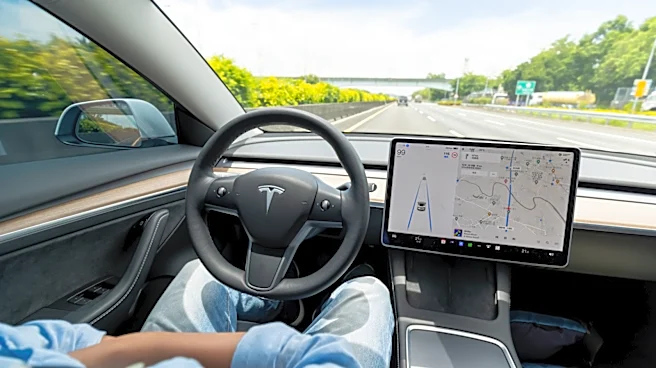
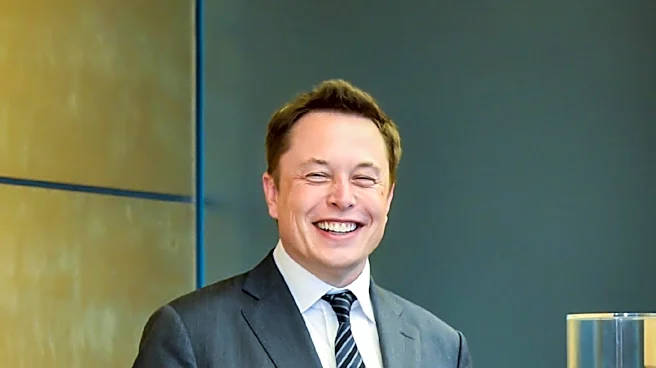
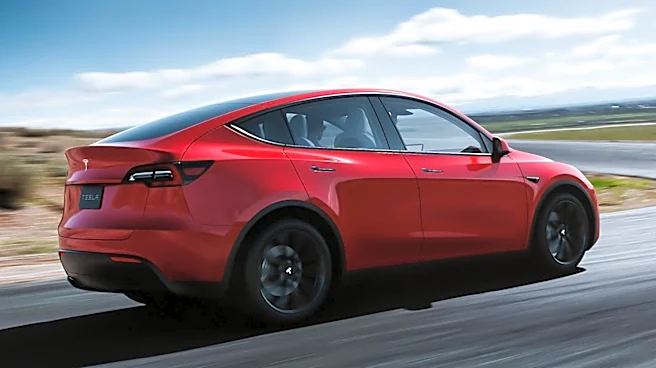
Elon Musk, CEO of Tesla, has announced plans to integrate Starlink satellite internet connectivity into all Tesla models by the end of 2027. This initiative aims to provide high-bandwidth internet access to passengers, particularly as the Full Self-Driving
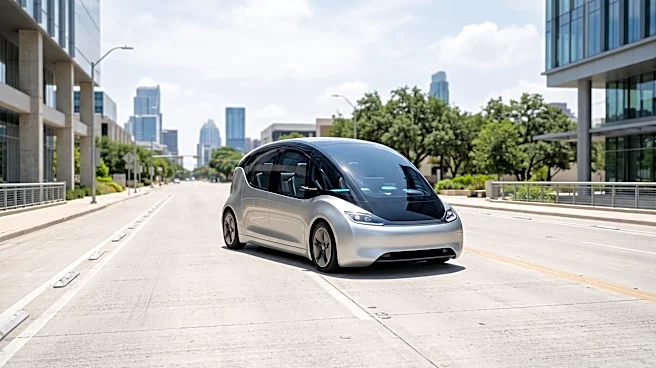
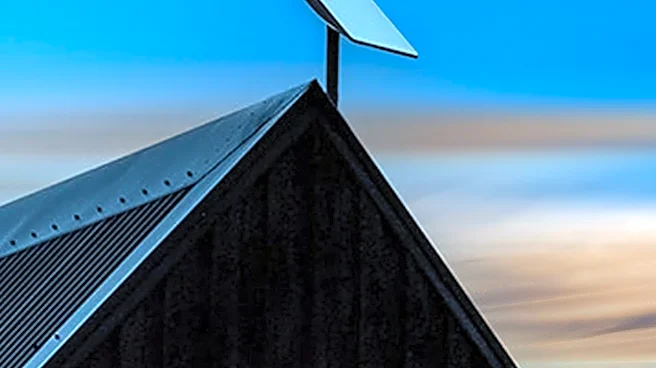
(FSD) system becomes more widespread. The initial rollout of Starlink integration has been observed in Tesla's Cybercab robotaxis, which are already equipped with Starlink antennas. These antennas are designed as small, square panels integrated into the vehicle's roof. However, Ashok Elluswamy, head of Tesla's AI unit, clarified that Cybercab passengers currently cannot directly connect to the Starlink network; the existing system is used for fleet management, navigation, and customer services. The integration will not extend to Tesla models in China due to Starlink being illegal in that country. The company is currently exploring how to adapt the necessary hardware for existing models like the Model 3 and Model Y, which may require redesigning body panels or utilizing external antenna solutions similar to those tested on the Cybertruck.
Why It's Important?
This integration is significant for the U.S. automotive industry and the broader technology sector. For Tesla, it enhances the in-car experience, offering high-speed internet connectivity that could support advanced entertainment and remote work capabilities during autonomous drives. This move could set a new standard for connectivity in electric and autonomous vehicles, potentially influencing other automakers to explore similar satellite internet solutions. The ability to maintain a reliable internet connection, especially in remote areas where traditional cellular networks are weak or nonexistent, could be a major selling point for Tesla vehicles. While the necessity of Starlink for FSD's core functionality remains unclear, it could improve remote monitoring and interaction with vehicles, particularly as FSD technology advances. This development also highlights the growing convergence of automotive and space technology, with SpaceX's Starlink playing a crucial role in Tesla's future offerings.
What's Next?
Tesla aims to roll out Starlink connectivity to all its models by late 2027. The company will need to address the engineering challenges of integrating Starlink antennas into existing vehicle designs, which may involve significant modifications to body panels or the adoption of external antenna solutions. While the Cybercab already features integrated antennas, adapting this to other models will be a key step. The impact on the widespread adoption of Tesla's Full Self-Driving system will also be closely watched, as enhanced connectivity could support more robust data exchange and remote functionalities. The exclusion of China from this rollout underscores the regulatory and geopolitical challenges faced by global technology companies. Future developments will likely include further details on the technical implementation and the specific services that will be enabled by Starlink connectivity for Tesla owners.
Beyond the Headlines
The integration of Starlink into Tesla vehicles represents a broader trend towards ubiquitous connectivity and the increasing reliance on satellite technology for terrestrial applications. This move could redefine expectations for in-car experiences, transforming vehicles into mobile hubs for work, entertainment, and communication. It also raises questions about data privacy and security, as more personal data will be transmitted and processed through these connected systems. Furthermore, the development highlights the strategic advantage of companies like Tesla that are part of larger ecosystems (SpaceX in this case), allowing for vertical integration of advanced technologies. The regulatory landscape for satellite internet in different countries will continue to shape the global availability and functionality of such features, as evidenced by the exclusion of China from this plan. This could lead to a divergence in technological offerings across different markets.