






What's Happening?
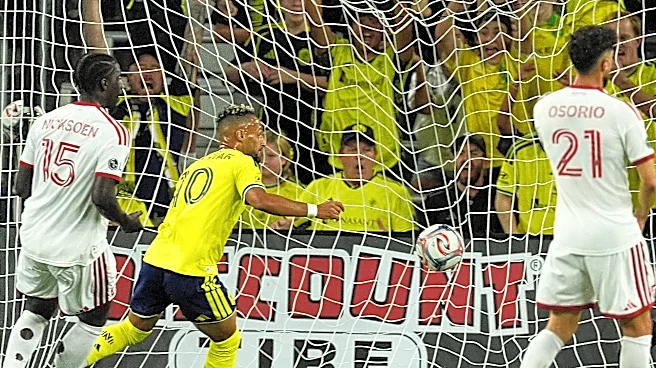
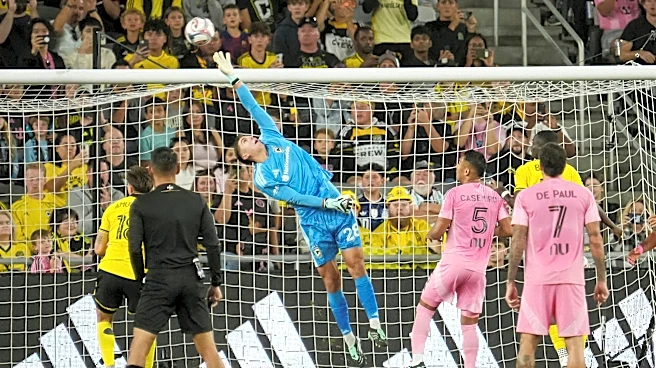
The Portland Timbers experienced a 3-1 defeat against the San Jose Earthquakes, marking their third consecutive loss and causing them to drop below the playoff line for the first time since July. Preston Judd of the Earthquakes scored two goals, contributing
significantly to his team's rise to third place in the Western Conference. The Timbers conceded three goals within the first half-hour of the match, with Eduard Lowen also scoring for San Jose. Despite a late consolation goal from David Da Costa, assisted by Eric Izoita, Portland was unable to recover. This loss highlights a concerning trend for the Timbers, who have struggled with slow starts and defensive breakdowns in recent games. The team's goal-scoring has also diminished, averaging only one goal per game since mid-August, excluding an outlier performance against Minnesota.
Why It's Important?
This string of losses and the drop below the playoff line are critical for the Portland Timbers' postseason aspirations. Their current form, characterized by a lack of goals and defensive vulnerabilities, casts significant doubt on their ability to secure a playoff spot. The team's inability to maintain defensive solidity and generate consistent offense suggests deeper systemic issues that need immediate attention. For fans and stakeholders, the team's performance raises concerns about the effectiveness of current strategies and player cohesion. The struggle to score, averaging just one goal per game since mid-August, indicates a significant offensive challenge that could prevent them from competing effectively in the remaining seven games of the season. The shift in momentum for the San Jose Earthquakes, now soaring to third in the Western Conference, underscores the competitive nature of the league and the consequences of inconsistent play.
What's Next?
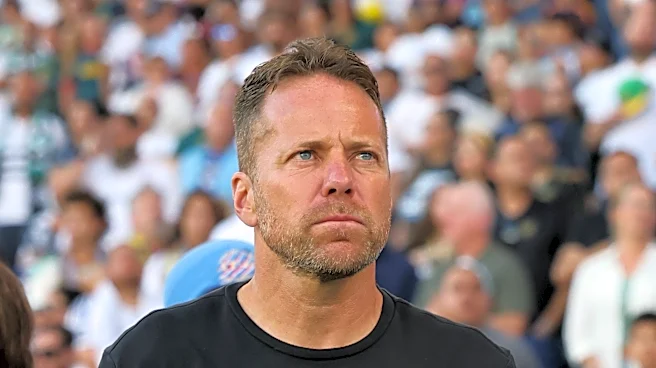
With only seven games remaining in the season, the Portland Timbers face immense pressure to improve their performance rapidly to avoid missing the postseason. Head coach Marti Cifuentes will need to address both the team's defensive frailties and their scoring drought. Potential adjustments could include changes in starting lineups, tactical shifts, or increased focus on specific training aspects to bolster both ends of the field. The team's ability to integrate academy graduates like Eric Izoita, who showed a spark in the recent match, might offer some hope for future development, but immediate results are crucial. The upcoming matches will determine if the Timbers can reverse their fortunes and climb back into a playoff position, or if their season will conclude before Veteran's Day.
Beyond the Headlines
The Timbers' current struggles extend beyond mere game results, touching upon the broader implications of team management, player development, and fan engagement. The reliance on a few key players and the challenges in maintaining consistent performance throughout the season can impact team morale and long-term strategic planning. The emergence of academy graduates in the matchday squad, while a positive sign for youth development, also highlights the immediate need for experienced players to step up and lead. The team's current trajectory could influence future recruitment decisions, coaching stability, and the overall perception of the club within the MLS landscape. The pressure to perform in a highly competitive league like MLS often forces teams to re-evaluate their foundational strategies, from player acquisition to in-game tactics, to ensure sustained success and fan loyalty.