




What's Happening?
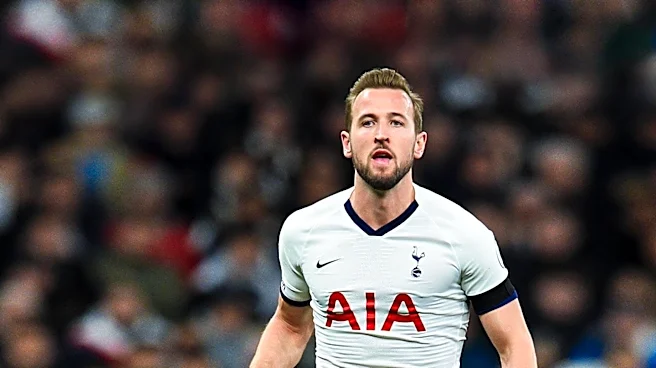
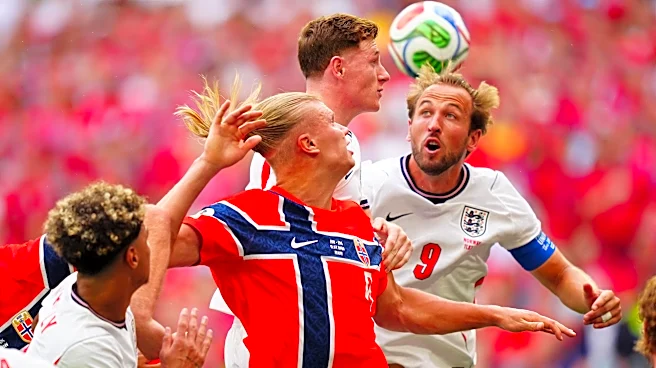
Local Conservative politicians in Waltham Forest, led by Chingford and Woodford Green MP Sir Iain Duncan Smith, have formally requested that a street in Chingford be renamed in honor of England football captain Harry Kane. Kane, who was born in Whipps
Cross Hospital and grew up in Chingford, is being recognized for his significant achievements in football. These include becoming England's all-time leading appearance maker with 127 caps and the all-time top goal-scorer with 93 goals. The proposal highlights Kane's local roots, noting he began his football career at the Ridgeway Rovers club in Chingford at age six. This initiative follows a previous effort by the group to honor Kane, which involved commissioning a £7,200 statue of him in 2019. The statue, unveiled in November 2024 after years in storage, was met with mixed reactions online regarding its likeness to the player. The current proposal aims to create a lasting source of civic pride and inspire local youth by visibly connecting world-class achievement to their community.
Why It's Important?
This proposal is significant as it reflects a community's desire to celebrate local heroes and connect their achievements to civic identity. For Chingford, renaming a street after Harry Kane could serve as a powerful symbol of inspiration for young athletes, demonstrating that global success can originate from local beginnings. It also highlights the role of local politicians in fostering community pride and leveraging the fame of local figures for civic engagement. The initiative could draw attention to grassroots sports programs in Chingford, potentially encouraging greater participation and investment in local youth development. Furthermore, it underscores the cultural impact of sports figures, who often transcend their athletic roles to become symbols of aspiration and community identity. The debate around such proposals often engages residents in discussions about local heritage, public recognition, and the values a community wishes to uphold.
What's Next?
The proposal from Sir Iain Duncan Smith and Conservative councillors has been submitted to the Green-led Waltham Forest Council. The council will now need to consider the request, which may involve public consultation and a review of existing street naming policies. The outcome will depend on the council's decision-making process, which could include assessing community support, logistical implications, and potential costs associated with renaming a street. If approved, the next steps would involve selecting a suitable street, formalizing the name change, and potentially organizing a public ceremony. If rejected, the Conservative group may explore alternative ways to honor Kane, or the issue could become a point of local political discussion. The previous mixed reception to Kane's statue suggests that public opinion on such tributes can be varied, and the council's decision will likely reflect a balance of community sentiment and practical considerations.
Beyond the Headlines
Beyond the immediate act of renaming a street, this initiative touches upon broader themes of local identity, public memory, and the commodification of celebrity. The desire to name public spaces after prominent figures reflects a universal human tendency to immortalize achievements and create tangible links to shared cultural narratives. However, such acts also raise questions about the criteria for public honor, the permanence of fame, and the potential for political motivations behind such gestures. The previous controversy surrounding Kane's statue highlights the complexities of public art and recognition, where artistic representation and public perception can diverge. This street renaming proposal, if successful, would embed Kane's legacy directly into the physical landscape of his hometown, potentially shaping future generations' understanding of local history and achievement. It also underscores the ongoing dialogue between local governance and community aspirations in defining collective identity.