








What's Happening?
In June, the U.S. job market experienced a significant slowdown, with nonfarm payrolls increasing by only 57,000 jobs. This figure was lower than expected and followed downward revisions to job growth in the previous two months. The unemployment rate
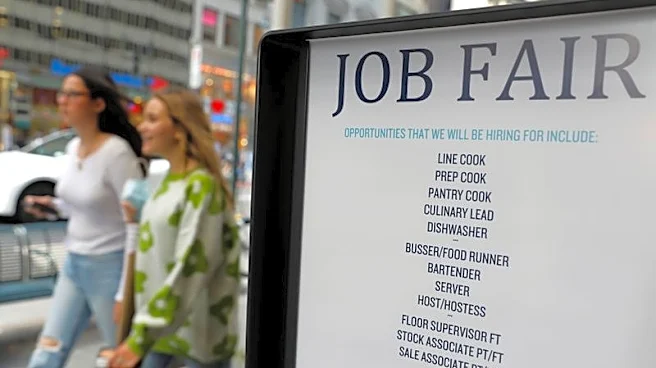
fell to 4.2%, but this was largely due to a decrease in labor force participation. The leisure and hospitality sector saw the largest decline in payrolls since 2020, reflecting weaker seasonal hiring. Despite these challenges, sectors like healthcare and social assistance continued to add jobs, albeit at a slower pace.
Why It's Important?
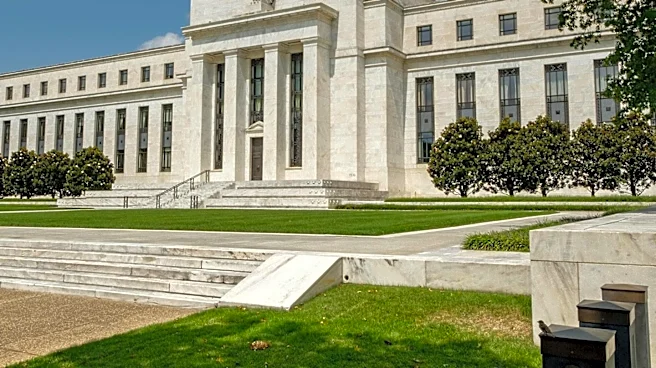
The slowdown in hiring raises concerns about the sustainability of recent job market momentum. The decline in labor force participation and the reduction in leisure and hospitality jobs suggest potential vulnerabilities in the economy. These developments could impact consumer confidence and spending, which are crucial for economic growth. Additionally, the Federal Reserve may need to reassess its interest rate policies in light of these mixed signals from the labor market. The balance between controlling inflation and supporting employment will be a key consideration for policymakers.
What's Next?
The Federal Reserve will likely monitor upcoming employment data closely to determine the appropriate course of action. The potential for further revisions to June's job figures and the impact of external factors, such as geopolitical tensions and inflationary pressures, will influence the Fed's decisions. Policymakers may need to weigh the risks of slower job growth against the need to address inflation, which has been a priority in recent months. The trajectory of the labor market will play a critical role in shaping future economic policy.