


What's Happening?
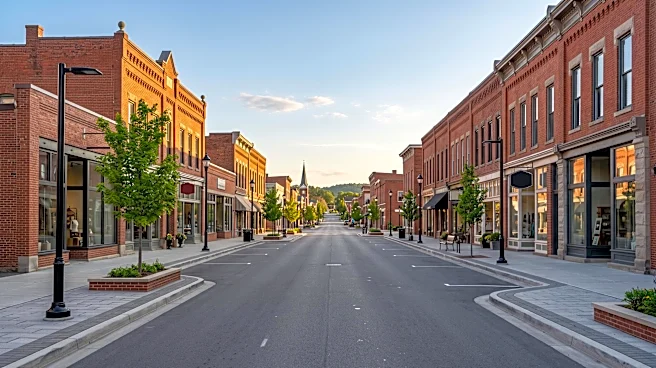
The Super TIF Advisory Committee in Great Falls recently reviewed the financial outlook for the downtown Tax Increment Financing (TIF) district, revealing a substantial decline in its incremental taxable value. Great Falls Strategic Development Officer
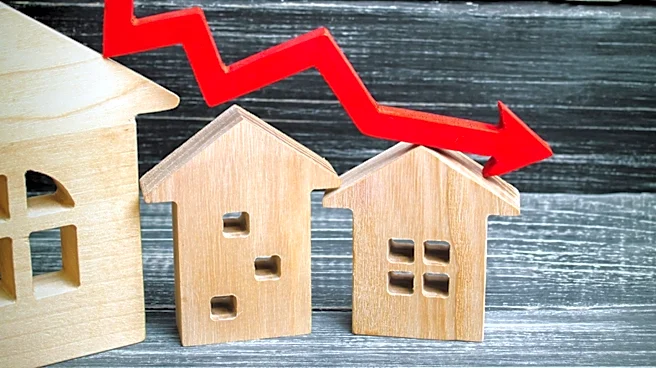
Brock Cherry reported that the district's incremental taxable value dropped by approximately 61%, from $2.14 million in tax year 2025 to $832,000 in 2026. This decline is attributed to several factors, including the sale of Energy West to NorthWestern Energy, which altered how utility property values were allocated to the TIF district, and legislative changes affecting commercial property taxable values. As a result, the city manager has temporarily paused staff-level approval of new applications for the Downtown TIF Building Program, which funds projects like facade improvements and accessibility upgrades. Despite the decline, Cherry emphasized that the downtown TIF is not insolvent and can meet its existing financial commitments.
Why It's Important?
This significant decline in the downtown TIF's taxable value is important because it directly impacts the funding available for urban redevelopment and improvement projects in Great Falls. TIF districts rely on increased property tax revenues generated by growth to finance public infrastructure and revitalization efforts. A 61% drop in incremental taxable value means substantially less new revenue will be available for future projects, potentially slowing down or halting planned developments. While the city assures that existing commitments are secure, the temporary freeze on new applications signals a period of financial uncertainty for the program. This situation could affect local businesses and property owners who rely on TIF funding for upgrades, and it highlights the vulnerability of such financing mechanisms to changes in property ownership and legislative policies. It also underscores the need for careful financial planning and diversification of funding sources for urban development.
What's Next?
The city manager's temporary freeze on new applications for the Downtown TIF Building Program will remain in effect until a clearer financial picture emerges, expected by late October or early November. During this period, city officials will continue to assess the district's revenue projections and evaluate the long-term implications of the taxable value decline. Depending on this assessment, the city manager will decide whether to lift the freeze or engage the City Commission in a broader discussion about how downtown TIF dollars are allocated and spent. This could lead to a re-prioritization of projects, adjustments to funding criteria, or even a re-evaluation of the TIF district's boundaries or operational model. Stakeholders, including businesses and developers, will be closely watching these developments to understand the future availability of funding for downtown revitalization efforts.
Beyond the Headlines
The challenges faced by Great Falls' downtown TIF district reflect a broader issue in urban development financing across the U.S. Many cities rely on TIFs to spur growth, but these mechanisms can be susceptible to economic fluctuations, legislative changes, and major corporate transactions. This situation in Great Falls highlights the inherent risks and complexities of using incremental tax revenues for long-term development. It also brings to light the intricate relationship between local government finance, state legislation, and corporate activities. The need for cities to adapt their financial strategies in response to such changes is crucial. Furthermore, the incident could prompt a wider discussion on the sustainability of TIF models and the importance of robust economic diversification to ensure consistent funding for urban renewal, rather than relying heavily on a few large taxpayers or specific legislative frameworks.