






What's Happening?
Prebiotics and probiotics, though often used interchangeably, serve distinct and complementary functions in maintaining gut health. Probiotics are live strains of beneficial bacteria that, when consumed adequately, support immune and digestive health. These
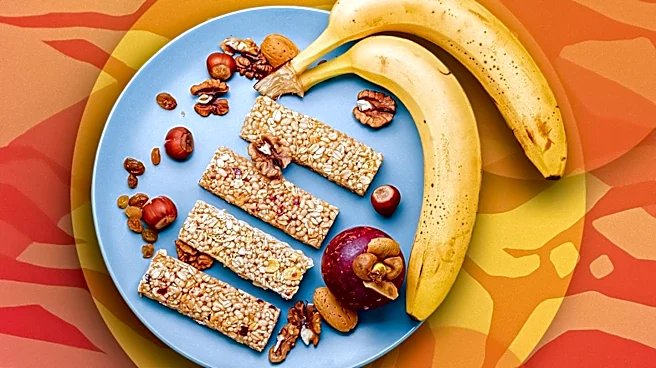
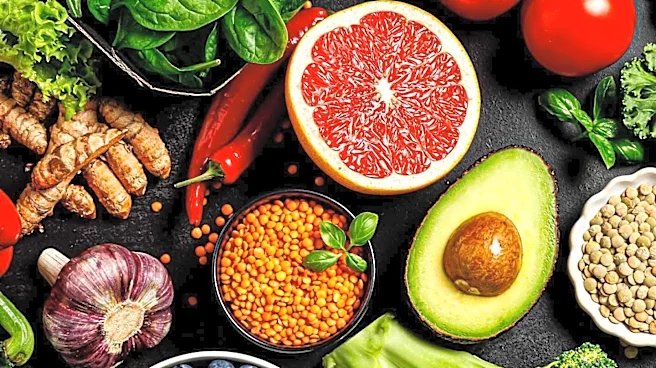
bacteria typically reside temporarily in the gastrointestinal tract, necessitating consistent intake for sustained benefits. In contrast, prebiotics are non-digestible food components that act as nutrients for the beneficial bacteria already present in the gut. They are not living organisms themselves but rather complex carbohydrates found in foods like flax, oats, garlic, root vegetables, apples, and green bananas. These complex carbs are difficult for human digestive systems to process, allowing them to reach the colon largely intact where they feed the resident beneficial bacteria. Both can be consumed through supplements or specific foods, with prebiotics being crucial for the survival and multiplication of probiotics.
Why It's Important?
Understanding the difference between prebiotics and probiotics is vital for individuals seeking to optimize their gut health and overall well-being. The U.S. market for digestive health products is substantial, and consumers often make purchasing decisions without a clear grasp of how these components function. Misinformation can lead to ineffective supplement use or dietary choices. For instance, consuming probiotics without sufficient prebiotics is akin to planting seeds without watering them; the beneficial bacteria may not thrive or survive. This distinction impacts the efficacy of dietary interventions and supplement regimens aimed at improving digestion, immunity, and even mental clarity. Businesses in the health and wellness sector, including supplement manufacturers and food producers, must accurately educate consumers to ensure product effectiveness and build trust. The growing awareness of the gut-brain axis further underscores the importance of a balanced microbiome, linking gut health to broader physiological functions like sleep and focus.
What's Next?
As consumer awareness of gut health continues to grow, there will likely be an increased demand for products that effectively combine both prebiotics and probiotics, often referred to as synbiotics. The market may see more comprehensive gut health formulas that not only introduce beneficial bacteria but also provide the necessary fuel for their survival and proliferation. This could lead to innovations in food product development, with more items fortified with specific prebiotics, and in the supplement industry, with multi-tiered solutions addressing various aspects of gut health, including digestive enzymes and postbiotics. Healthcare providers and nutritionists will play a crucial role in educating the public on personalized approaches to gut health, emphasizing the importance of a balanced diet rich in prebiotic foods alongside targeted probiotic supplementation when necessary. Research will also continue to explore the optimal strains and dosages for various health outcomes.
Beyond the Headlines
The nuanced understanding of prebiotics and probiotics extends beyond immediate digestive benefits, touching upon broader implications for public health and personalized nutrition. The concept highlights the intricate ecosystem within the human gut and its profound influence on systemic health, including immune function, metabolic processes, and even mental health. This shift in understanding could lead to more holistic approaches to disease prevention and management, moving beyond symptomatic treatment to address root causes related to microbial imbalance. Ethically, it underscores the responsibility of manufacturers to provide transparent and scientifically backed information about their products, avoiding misleading claims. Culturally, it reflects a growing societal interest in proactive health management and natural remedies, influencing dietary trends and consumer preferences towards functional foods and supplements that support a healthy microbiome. The long-term impact could be a re-evaluation of dietary guidelines to emphasize foods that naturally support gut flora.