


What's Happening?
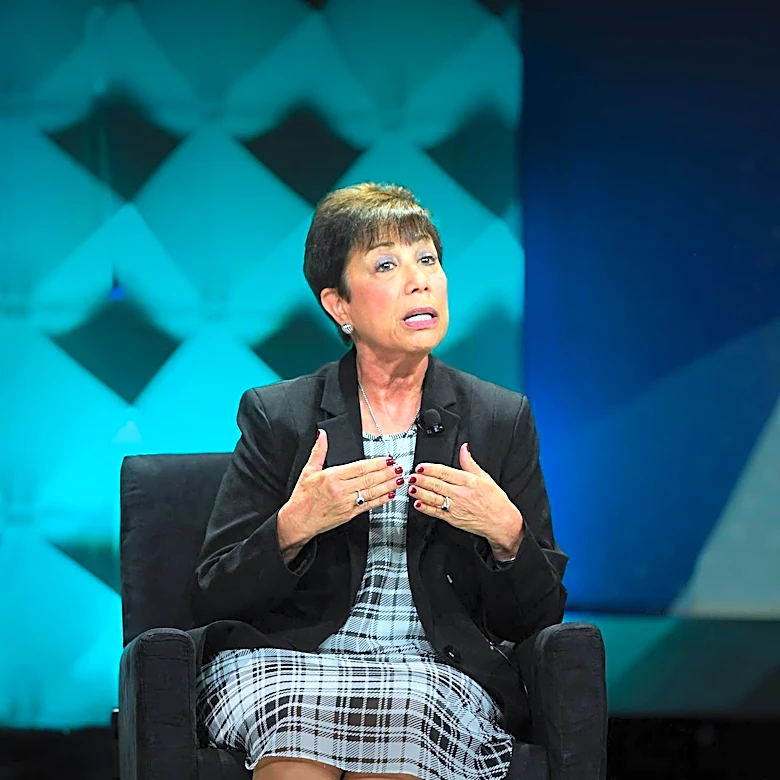
Retail media is increasingly being recognized as a powerful tool for brand building, challenging the traditional view held by some marketing effectiveness experts, such as Mark Ritson, who argue it primarily captures sales from customers already intending
to buy. Andrew Lipsman contends that retail media, encompassing on-site, off-site, and in-store formats, effectively builds brands by increasing physical and mental availability, driving incremental audience reach, and achieving higher average brand lift across the marketing funnel. He highlights that retail media constitutes a significant percentage of various ad spending pools, including search (29%), programmatic display and video (11%), social media (6%), CTV (16%), and digital-out-of-home (15%). Lipsman suggests that brands should reallocate budgets from underperforming performance media channels, like certain search, social, and open web programmatic, to retail media to enhance marketing effectiveness. Procter & Gamble's increased investment in off-site retail media is cited as evidence of its brand-building potential.
Why It's Important?
This shift in understanding retail media's role is crucial for U.S. advertisers and marketers. Historically, brand-building budgets have been heavily allocated to channels like linear TV, but retail media offers a new, highly effective avenue. For U.S. brands, especially national ones, retail media provides mass reach and the ability to target high-value shopper segments more effectively. It allows for brand awareness and mental availability at opportune moments, such as when consumers are actively shopping. The ability to drive incremental sales lift, as measured by matched market tests for in-store advertising, demonstrates its tangible impact beyond mere attribution. By re-evaluating budget allocations, U.S. companies can optimize their marketing spend, potentially achieving higher ROI and stronger brand growth. This evolution also means that CMOs and brand marketers need to overcome biases and integrate retail media into their overall strategy as a complement to, rather than a threat against, existing campaigns.
What's Next?
Advertisers are expected to increasingly lean into retail media as a brand-building channel, potentially reallocating budgets from less effective performance media. This will likely lead to more sophisticated strategies for utilizing on-site, off-site, and in-store retail media to achieve brand objectives. Retailers will continue to develop and expand their retail media networks, offering more diverse and targeted advertising opportunities. The integration of retail media into marketing mix models (MMMs) will become more prevalent, providing a clearer picture of its ROI and effectiveness. As causal modeling gains traction, it will further validate retail media's impact on incrementality. Brands will also explore innovative creative approaches for in-store digital surfaces, leveraging the dynamic new palette offered by retail environments. The ongoing debate will likely push for more robust measurement and attribution methods to fully capture the brand-building power of retail media.
Beyond the Headlines
The emergence of retail media as a brand-building powerhouse signifies a deeper convergence of commerce and content. This trend blurs the lines between advertising and sales, creating a more integrated and context-sensitive brand experience for consumers. Ethically, it raises questions about data privacy and the potential for hyper-targeted advertising to influence purchasing decisions in subtle ways. Legally, regulations around data usage and ad transparency in retail environments may evolve to address these new practices. Culturally, it reflects a consumer expectation for seamless, personalized interactions across all touchpoints, from initial brand exposure to final purchase. This shift could trigger a long-term redefinition of what constitutes 'brand building,' moving away from broad, awareness-only campaigns towards more direct, measurable, and commerce-adjacent strategies. It also highlights the increasing power of retailers as media owners, potentially reshaping the competitive landscape of the advertising industry.