







What's Happening?
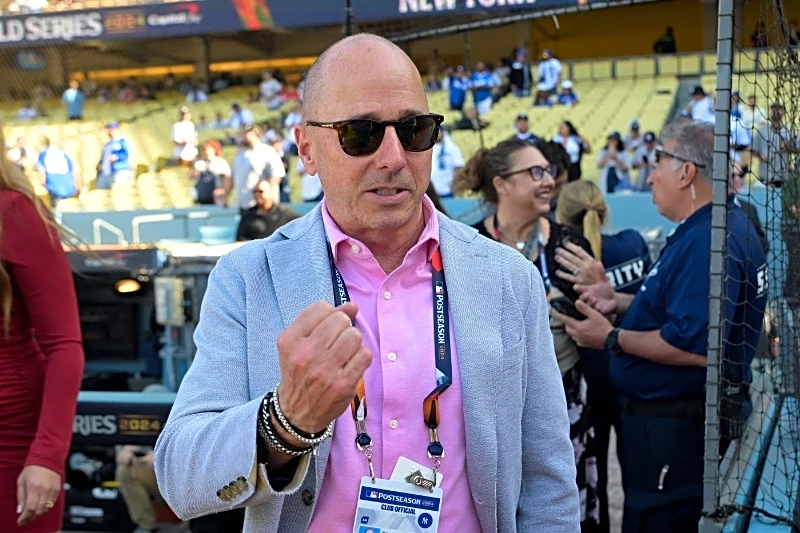
Hal Steinbrenner, the managing general partner of the New York Yankees, has publicly addressed the team's financial strategy and ownership structure. He confirmed that the Yankees are "all-in" on building a championship roster, citing the team's highest-ever
payroll for the 2026 season, which includes significant luxury tax fees. This statement comes in response to team captain Aaron Judge's previous questioning of the organization's commitment. Steinbrenner also clarified the nature of Apollo Global Management's recent $2.6 billion stake in the Yankees. He emphasized that this investment is not a precursor to selling the team but rather a move to ensure financial stability for the Steinbrenner family across generations. Apollo Global Management has "zero" involvement in the team's day-to-day operations, with rights no different from other limited partners. The investment also covers other Yankees Global Enterprise holdings, such as the YES Network and Legends Hospitality, and was facilitated by MLB's recent rule changes regarding private equity ownership, providing the Yankees with increased flexibility in debt management.
Why It's Important?
This announcement is significant for several reasons, impacting both the sports industry and financial markets. For Major League Baseball (MLB), it highlights the increasing trend of private equity investment in sports franchises, a development made possible by recent rule changes. This influx of capital can provide teams with greater financial flexibility, potentially leading to higher payrolls and increased competition for top talent, which could benefit fans through more competitive games. For the Yankees, Steinbrenner's reaffirmation of being "all-in" signals a continued commitment to winning, which is crucial for maintaining fan engagement and revenue streams. The clarification regarding Apollo Global Management's role is vital for market stability and investor confidence, as it dispels rumors of a potential sale and underscores the long-term commitment of the Steinbrenner family to the team. This financial maneuver also demonstrates how sports organizations are adapting to modern financial strategies to secure their future while maintaining traditional ownership structures.
What's Next?
Moving forward, the Yankees are expected to continue their aggressive spending strategy to build a championship-caliber team, as indicated by their record 2026 payroll. This commitment will likely translate into continued pursuit of high-value players and investments in team infrastructure. The financial stability provided by the Apollo Global Management investment will allow the Steinbrenner family to maintain control and potentially explore further strategic investments within Yankees Global Enterprise. Other MLB teams and owners will likely observe the Yankees' financial model and the impact of private equity involvement, potentially influencing future investment strategies across the league. The ongoing labor negotiations in MLB, where Steinbrenner supports owners' salary cap proposals, will also shape the financial landscape for all teams, including the Yankees, in the coming seasons.
Beyond the Headlines
Beyond the immediate financial and sporting implications, this development touches upon broader themes of legacy, family ownership, and the evolving nature of professional sports as a business. The Steinbrenner family's decision to bring in private equity, not for a sale but for generational financial stability, reflects a common challenge faced by long-standing family-owned enterprises: how to ensure continuity and growth in an increasingly complex and capital-intensive market. It also underscores the immense valuation of major sports franchises, with the Yankees' valuation exceeding $12 billion. The integration of private equity, while providing capital, also raises questions about the balance between traditional sports values and the demands of financial investors, even if Apollo's role is currently limited to passive investment. This trend could reshape the ownership landscape of professional sports, potentially leading to more hybrid ownership models that blend family control with institutional investment.